
For a flight backpack, choose the largest pack that fits your airline’s current allowance when fully packed. A clamshell opening, comfortable harness, laptop protection and written warranty matter on overseas trips. Personal-item travel often suits 20–30 litres, while overhead carry-on packs need measurements matched to the strictest airline on your itinerary.






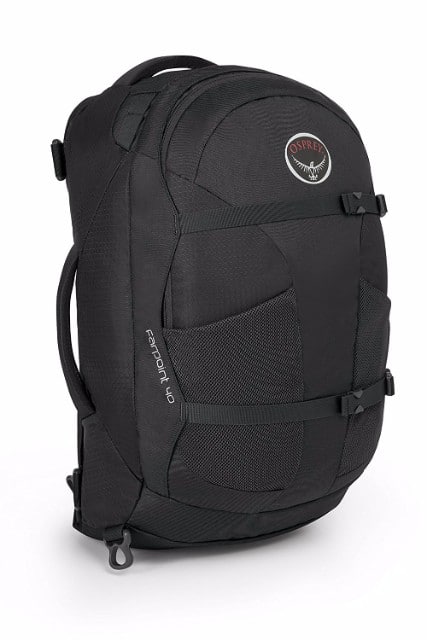


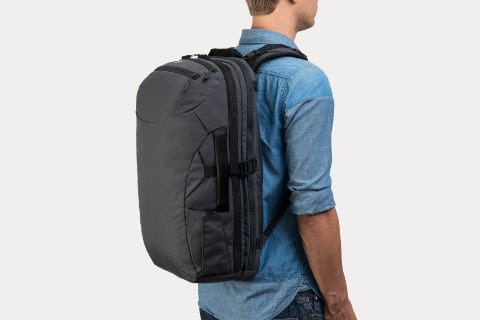

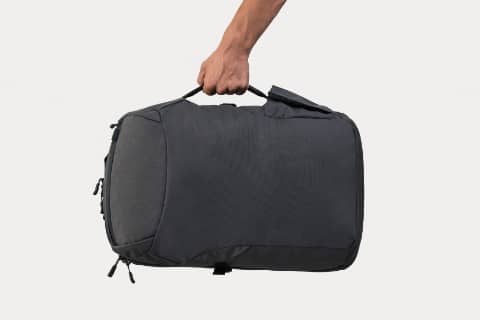
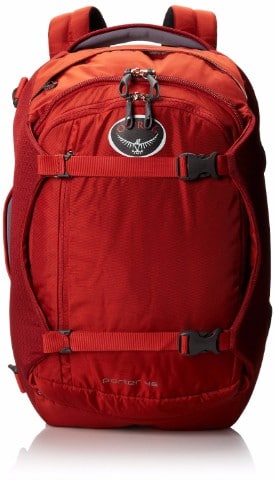
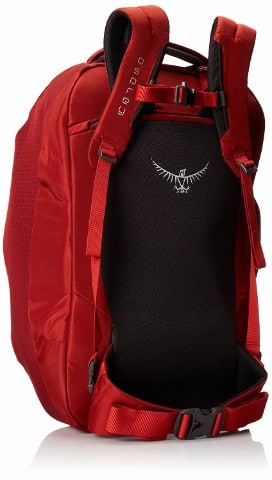


Best backpacks 2026: the shortlist criteria
When readers compare the best backpacks 2026, start with the airline limit, packed comfort, access to your laptop and the maker’s written warranty. Those checks matter more than a long feature list.
How to pick in five steps
- Check your airline’s current carry-on and personal-item limits. Size and weight rules differ by carrier and fare, and low-cost airlines change them frequently. Measure the pack fully packed.
- Set your volume. 20–30 litres suits a weekend or a personal-item-only trip. For longer trips, choose the largest volume your airline’s carry-on limit allows, and do laundry on the road. A pack larger than that limit goes in the hold.
- Choose the opening. A clamshell (suitcase-style) zip lets you see everything at once. A top-loader is lighter and simpler but buries things at the bottom.
- Try the harness. Load the pack with a typical trip’s worth of gear and wear it for ten minutes. The hip belt should carry the weight, and the shoulder straps should sit flat without pinching.
- Read the warranty. Look for written terms that state the coverage period in years, what counts as a defect and who pays shipping. Clear terms are worth more than an extra pocket.
Best flight backpack: what to look for
A good flight backpack fits the overhead bin or under-seat space without squeezing, opens flat at security, and gives you quick access to a laptop, passport and charger. Look for these features:
- A compression strap system that shrinks the pack to your airline’s limit when it is half full.
- A laptop sleeve against the back panel with a separate padded wall, so the laptop does not crush your clothes or press on your spine.
- A lockable main zip and a hidden pocket for your passport.
- Stowable shoulder straps for gate checks, so the harness does not catch on conveyor belts.
- A water-resistant fabric and a zip garage or storm flap on the main compartment.
Comparison: what matters by category
| Factor | What to check | Good sign | Warning sign |
|---|---|---|---|
| Airline fit | Airline’s current dimensions, measured with the pack full | Compression straps and a structured shape | A bulging front pocket you cannot flatten |
| Carry comfort | Hip belt, back panel, strap width | Hip belt that moves weight off the shoulders | Thin straps with no frame sheet |
| Laptop access | Sleeve position and whether it opens separately | Side or rear panel access to the laptop | Laptop sitting loose inside the main compartment |
| Load | Empty weight and recommended maximum load, both on the maker’s page | Low empty weight for the pack’s volume | Heavy empty pack that eats your baggage allowance |
| Warranty | Length in years, coverage, who pays shipping | Repair or replacement for defects, in writing | Vague terms or a short coverage window |
Best backpack for overseas travel
For long-haul and multi-country trips, build around the strictest carry-on limit on your route. Regional and budget carriers set smaller limits than long-haul airlines, so size the pack for the smallest one.
- Security: lockable zips and a pocket against your body for documents.
- Durability: abrasion-resistant fabric on the base and corners, because hostels, buses and baggage belts are rough on bags.
- Access: a front-loading main compartment so you are not unpacking on a train platform.
- Packing limit: a 40 litre pack filled to the brim tempts you to overpack. Stop at the volume you can carry for an hour.
Choosing a backpack by trip type
One-bag trips of one to three weeks
Choose the largest volume your airline’s carry-on limit allows, with a clamshell opening, hip belt and compression straps. Pair it with packing cubes and a small foldable day bag.
Weekend and business trips
Choose 20–30 litres with a structured laptop compartment and a slim, structured shape. A personal-item-sized pack avoids carry-on fees on many low-cost fares.
Remote work and digital nomad travel
Choose a pack with a dedicated tech compartment, a cable organiser pocket and a laptop sleeve with a drop-protected base. You walk with it daily, so test the straps and back panel for long wear.
Adventure and mixed trekking trips
Choose a travel-trekking hybrid with an adjustable-torso harness, a padded hip belt and a rain cover. These weigh more and sit at the upper edge of carry-on size, so check the airline limit before you buy.
How to judge any travel backpack model
Specs change between versions of the same pack. Use the same checklist on every pack you consider:
- Confirm the current dimensions and volume on the maker’s own page.
- Compare the empty weight, since each extra kilo reduces what you can carry.
- Read the warranty terms in full.
- Look for reviews from people who used the pack for a year or longer.
- Buy from a seller with a straightforward return policy, then pack it fully and test it at home.
Packing for load and comfort
Put heavy items close to your back and between shoulder blades and hips. Keep soft items outside, and put the things you need in flight at the top or in the front pocket. Tighten the compression straps last, then adjust the hip belt so it sits on your hip bones. If the pack still pulls backward, lighten it. For a full list of what to put in the bag, see our carry-on packing list.
Your next step
Look up your airline’s current carry-on limit and write down its maximum dimensions.
Frequently asked questions
What is the best size for a flight backpack?
The best size is the largest pack that meets your airline’s current carry-on limit when fully packed. Packs of 20–30 litres suit personal-item-only travel.
Is a clamshell or top-loading backpack better for travel?
A clamshell opening suits most travellers because you reach every item without digging. A top-loader weighs less and works well for trekking-focused trips.
Do I need a hip belt on a travel backpack?
Yes, for a heavy load or a long walk between transport. A hip belt moves weight from your shoulders to your hips and reduces fatigue.
How do I choose the best backpack for overseas travel?
Start with the strictest carry-on limit on your route, then match volume, comfort, security features and warranty. Test the pack fully packed before your trip.
How important is the warranty on a travel backpack?
It decides what happens when a zip, buckle or seam fails. Choose a maker whose written terms state the coverage period in years and what they repair or replace.