
The best cities to visit in Asia depend on the trip you want to build. Tokyo and Kyoto suit a first Japan route; Seoul combines food, neighbourhoods and history; Singapore is compact and straightforward to navigate; Bangkok is a practical starting point for mainland Southeast Asia; and Taipei connects night markets, hot springs and mountain day trips. Choose two or three cities that share a sensible flight or rail corridor, then check entry rules and seasonal weather before booking.
A quick answer: which Asian city fits your trip?
| City | Best for | Route pairing | Planning check |
|---|---|---|---|
| Tokyo | First-time Japan, food, neighbourhoods | Kyoto, Osaka, Seoul | Crowded seasons and rail reservations |
| Kyoto | Temples, gardens and traditional districts | Tokyo, Osaka, Nara | Book popular sights and choose a quieter base |
| Seoul | Food, design, markets and history | Busan, Tokyo, Taipei | Weather, airport transfers and local holidays |
| Taipei | Street food, hot springs and easy day trips | Seoul, Osaka, Hong Kong | Typhoon season and mountain weather |
| Singapore | A compact first stop and family-friendly city | Kuala Lumpur, Bangkok, Bali | Humidity, rain and attraction reservations |
| Bangkok | Food, temples and a mainland gateway | Chiang Mai, Siem Reap, Hanoi | Arrival traffic and regional border plans |
| Hanoi | Old Quarter, food and northern Vietnam | Ninh Binh, Ha Long, Da Nang | Transport time and current entry conditions |
| Kuala Lumpur | Food, neighbourhoods and a Southeast Asia hub | Penang, Singapore, Bangkok | Heat, storms and domestic connections |
The right choice is usually the city that makes the rest of the route easier. A two-city trip with four nights in each can feel richer than a six-city sprint. Use the destinations hub to compare deeper country and city guides before choosing the final sequence.
Best Asian cities for a first trip
Tokyo is a strong introduction when the goal is variety: distinct neighbourhoods, museums, markets, parks and day trips all sit inside one transport network. Pair it with Kyoto or Osaka for a first Japan itinerary. Japan’s official tourism site provides planning material for routes, regions and seasonal travel; check current transport and attraction information before the trip.
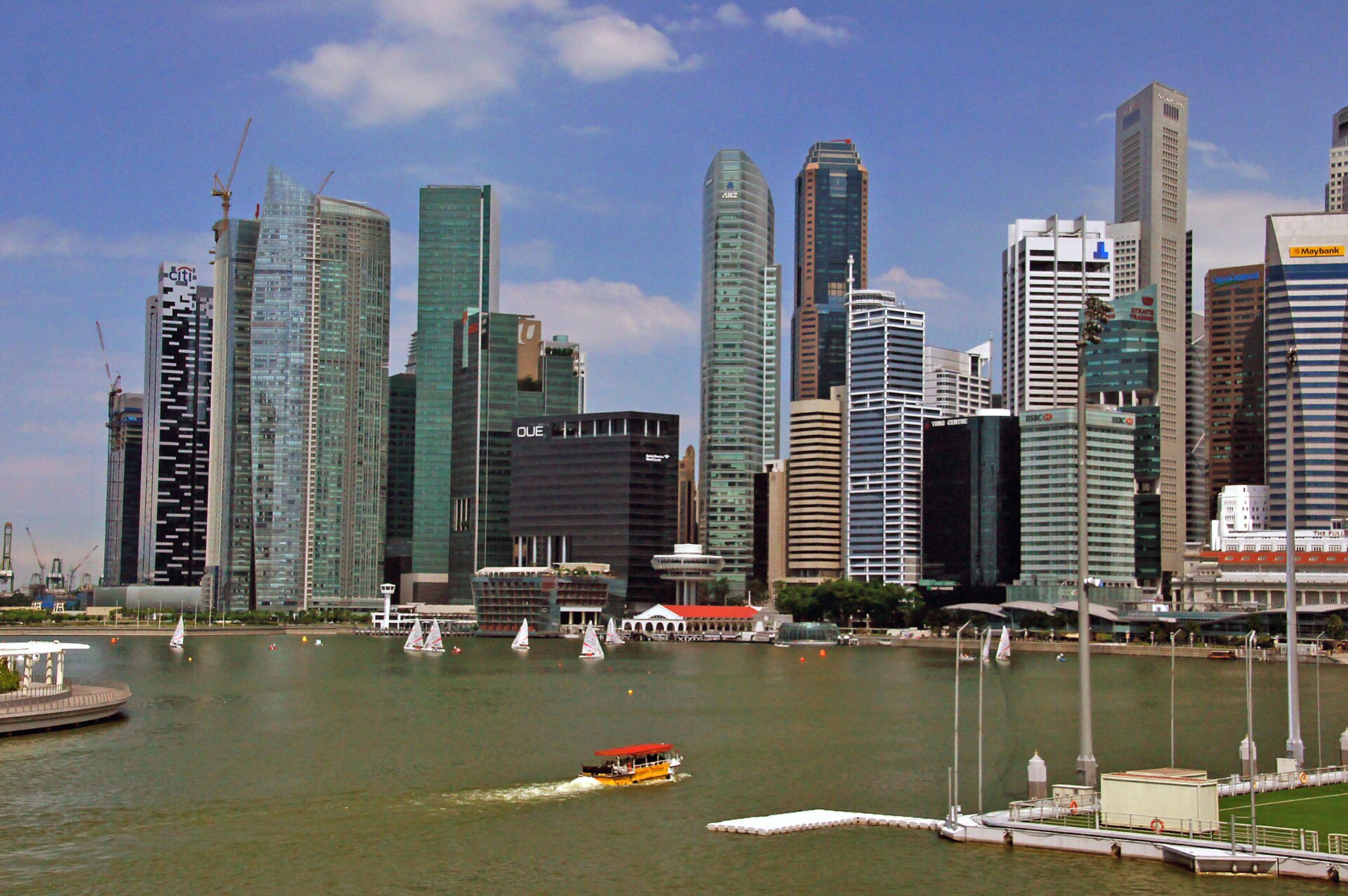
Singapore makes a different kind of first trip. English is widely used, the city is compact, public transport is clear and the airport is a major regional hub. The official tourism site is useful for neighbourhood planning, food trails and current attraction information. Build in humid-weather breaks rather than packing every afternoon with outdoor stops.
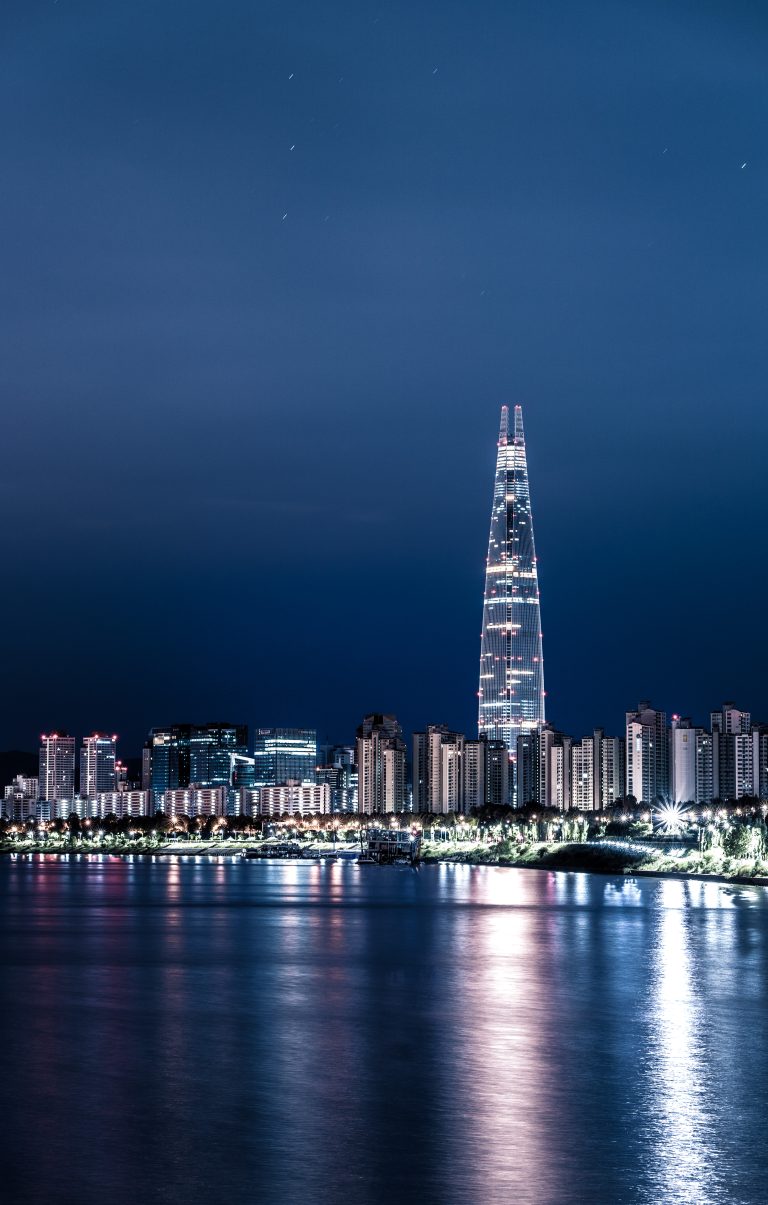
Seoul suits travellers who want a dense city with strong contrasts: palace districts, contemporary design, markets, cafés and mountain walks. Combine it with Busan for a country-focused trip or with Tokyo for a two-country East Asia route. The Korea Tourism Organization is the starting point for current regional and seasonal information.
Best Asian cities for food and neighbourhoods
Bangkok works especially well for street food, river districts, temples and a route that continues north or across mainland Southeast Asia. Stay near the areas that match the trip rather than treating the city as one walkable centre. Bangkok can be an arrival point for a Southeast Asia route, with extra time reserved for airport and transfer days.
Taipei combines night markets, tea houses, hot springs and quick nature escapes. It is easy to shape a four- to seven-day visit around neighbourhoods, then add Jiufen, Beitou or a mountain day when the forecast allows. Taiwan’s tourism administration and local transport operators should be checked for current opening times and weather-sensitive activities.
Hanoi rewards a slower first look. The Old Quarter, French-colonial streets, museums and food culture can fill several days before an overnight or day trip to Ninh Binh. Keep the arrival day light: traffic, heat and crossing the city can take longer than a map suggests.
Best Asian cities for history and culture
Kyoto remains one of Asia’s strongest city choices for temples, gardens, craft traditions and historic districts. Early starts help at the busiest sites, while a second neighbourhood day can make the visit more personal and less rushed. Osaka is a useful companion for food, shopping and transport connections, while Nara can work as a day trip.
Seoul’s palace grounds, traditional villages and museums create a strong history-and-modernity pairing. Start with one historic district, then add markets and contemporary neighbourhoods. Tokyo’s museums and old neighbourhoods offer a different balance, with more time needed to cross the city.
Siem Reap is the practical base for Angkor and works best when the temple visits are paced across more than one morning. Combine it with Bangkok or Phnom Penh after checking current entry and transport conditions. A place-based guide is more useful than trying to fit every Cambodian highlight into a single city break.
Best Asian cities for a short stopover
Singapore, Seoul, Taipei and Bangkok all work for a three- to five-day stop because flights, metro systems and concentrated neighbourhoods reduce friction. Choose the city whose airport-to-centre journey is simplest for the route. Plan one anchor activity per day and keep a half-day open for weather, jet lag or a long meal.
Kuala Lumpur is another useful stopover. Its food, mosques, markets and modern skyline are spread across several districts, while rail and air links make it easy to continue to Penang, Singapore or Thailand. Use the stop to recover between long-haul flights rather than treating it as a race through every landmark.
Plan Asian city combinations by region
Japan and South Korea
Tokyo–Kyoto–Osaka–Seoul is a well-tested first route when international flight timings work. Keep at least two nights in each base, and confirm the border flight or ferry separately. Use official tourism sources for seasonal events, transport changes and entry information. For a broader comparison, see our East Asia route guide and cheap Asian countries guide.
Taiwan and South Korea
Taipei–Seoul creates a compact food, design and neighbourhood trip. Taipei adds hot springs and mountain edges; Seoul adds palace districts and a larger urban rhythm. Weather can differ, so check both forecasts before fixing day trips.
Mainland Southeast Asia
Bangkok–Hanoi–Singapore or Bangkok–Siem Reap–Kuala Lumpur works for travellers who want food, markets and different city scales. Allow more time for border, airport and road transfers. Our Southeast Asia guide explains how to pace a longer corridor.
South Asia and Southeast Asia
Combine cities only after checking visa and flight connections. Delhi, Kathmandu, Colombo and Bangkok each need their own entry, weather and transport review. A regional plan should follow the rules for the passport being used rather than a generic list.
When to visit Asian cities
Asia spans several climate zones, so “best time” depends on the city. Japan and South Korea have clear spring, summer, autumn and winter patterns. Mainland Southeast Asia often has distinct wet and dry periods, while tropical cities can be hot and rainy across much of the year. Check official tourism pages and a current local forecast for outdoor plans.
Avoid building a route around a single weather assumption. Shoulder-season flexibility can make a city trip easier, and indoor museums, food markets and neighbourhood walks provide useful alternatives when rain changes a day.
Entry and transport checks before booking
Verify passport-specific entry rules with the relevant government or consulate. Tourism sites help with planning, but they do not replace visa or immigration guidance. Save the official result, accommodation details and onward-travel information offline.
For transport, compare door-to-door time. A metro ride from a central station can beat a short flight after airport transfers and baggage checks. Reserve limited-seat trains and popular attractions when the operator requires it, and keep one flexible day in every week-long route.
FAQ
What is the best Asian city for a first trip?
Tokyo, Singapore, Seoul and Taipei are strong first-trip choices because they combine clear transport, varied neighbourhoods and many different activities. Choose based on the route that follows: Tokyo works with Kyoto, Singapore with Malaysia, Seoul with Busan or Tokyo, and Taipei with a short Taiwan loop.
Which Asian cities are best for food?
Bangkok, Taipei, Hanoi, Seoul and Singapore all offer food-focused trips with distinct neighbourhood traditions. Plan around markets, local restaurants and one or two regional day trips. Check opening days and weather before promising a specific food market or outdoor dining area.
How many Asian cities should I visit in two weeks?
Four bases is a comfortable ceiling for many two-week trips. Five can work when the connections are short and the route is linear. Two or three nights per city leaves time to explore, while one-night stops often turn the trip into a transfer schedule.
Is Asia easy to travel by train?
Train travel is excellent within Japan, South Korea, Taiwan, China and parts of Southeast Asia. International borders can require flights, ferries or separate tickets. Confirm current timetables and reservations with the operator, then compare the full station-to-station journey with flying.
What should I check before choosing an Asian city?
Check passport-specific entry rules, seasonal weather, arrival airport, local transport, public holidays and the time needed for any day trip. Read an official tourism source for planning and a government or consular source for entry conditions. Keep confirmations and emergency contacts offline.
Last reviewed November 2026. Entry rules, transport schedules, opening times and weather patterns change; confirm details with the linked official sources before travelling.