Solo-travel safety checklist
- Book the first night and arrange a simple arrival route before landing.
- Keep two payment methods, document copies and emergency contacts separate.
- Choose accommodation with recent reviews, clear reception details and a location you can reach in daylight.
- Share the itinerary with one trusted person and set a check-in plan without publishing live location publicly.
Conditions vary by destination; check current government travel advice and local transport guidance before departure.
Quick answer: Safer solo travel for women starts with a booked first night, a well-lit arrival route, independent control of money and documents, and a trusted person who knows the plan. Use current local advice, trust an early warning feeling and leave any situation that becomes uncomfortable.
How can women travel solo safely?
Safer solo travel for women comes down to a few habits: book your first night before you land, choose accommodation on a well-lit, busy street, keep a backup payment method, arrange your own way home at night, and leave any situation that feels wrong early. Share your plans with one trusted person.


This page covers how you arrive, where you sleep, how you carry money and what you do when a situation turns uncomfortable.
Plan the first and last hour
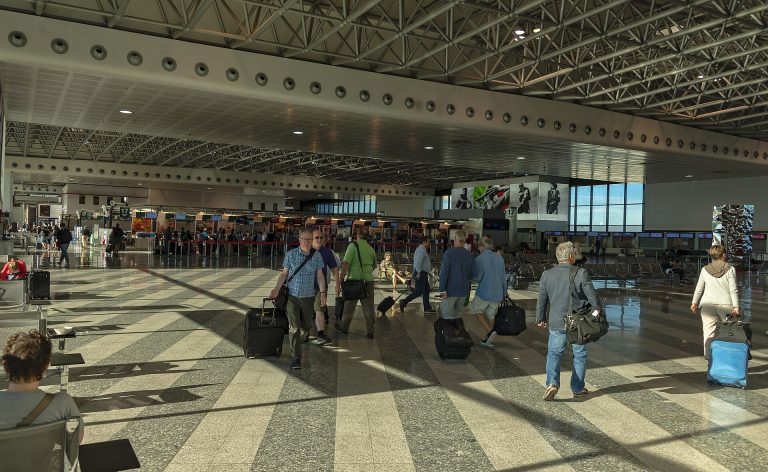
Book your first night before you fly, save the address offline and decide how you will get from the airport, station or border to your door. Daylight arrivals make an unfamiliar place much easier. If you land late, use the licensed taxi rank outside arrivals (marked cars and a posted fare board) or a transfer booked through your accommodation, and send the details to someone you trust.
Choose accommodation for the real route
Read recent reviews for the exact property and check the map for the walk from the nearest transport stop. Choose a lively central spot, especially on night one. Look for a secure entrance, reception hours that match your arrival and a room that does not open straight onto a public corridor.
Money and documents
Carry one main payment method and a separate backup, stored in different places. Keep digital copies of your passport, insurance and key bookings in an encrypted cloud folder protected by two-factor authentication, and take only the day’s cash. Use zip bags, keep your phone and passport in an inside pocket and hold your phone firmly near traffic.
Leaving a situation that feels wrong
You need no proof to leave a conversation, vehicle or venue. A simple “no, thank you” and a move toward staff, a family group or a busy public place is enough. If someone keeps pushing, call your accommodation, a trusted contact or local emergency services.
Transport and nightlife
Use the official pickup point, check the plate and driver against the app or booking, and share your route. At night, book your own ride home. Watch your drink being poured, know your limits and decline open drinks from people you just met.
Health and practical independence
Pack medication in its original packaging, bring basic first aid and learn how to describe allergies or health needs in the local language. Check that your travel insurance covers the activities you actually plan to do. On long transfers, keep water, a charged phone and a small power bank within reach. For treks or remote areas, leave your route and return time with someone reliable.
Local customs and dress
Look up dress and behaviour expectations before you arrive, especially for temples, religious sites and conservative communities. Covering shoulders or knees is a practical courtesy, and harassment remains unacceptable whatever the setting. Learn how to say hello, thank you, no and help in the local language, ask before photographing people and check official guidance when rules are unclear.
Frequently asked questions
What is the safest way to arrive in a new country alone?
Book your first night in advance, save the address offline and arrange transport before you land. Arriving in daylight helps. For late arrivals, use the licensed taxi rank outside arrivals or a transfer organised by your accommodation, and share the details with someone you trust.
How do I choose a safe place to stay as a solo woman?
Read recent reviews for the specific property, check the map for the walk from transport, and favour a busy, well-lit area. Look for a secure entrance, clear reception hours and a room that does not open directly onto a public corridor.
What should I do if someone makes me uncomfortable?
Say “no, thank you”, move toward staff or a busy public place and leave. If the person persists, call your accommodation, a trusted contact or local emergency services. You never owe anyone an explanation for leaving.
How should I handle money and documents while travelling?
Carry a main payment method and a separate backup, keep digital copies of your passport, insurance and bookings in an encrypted cloud folder with two-factor authentication, and take only the cash you need for the day.
Is it safe to use taxis and ride-hailing alone at night?
Use the official pickup point, confirm the vehicle and driver match your booking, and share your route with someone. Book your own ride home at night.
Your next step
Book your first night’s stay today, then read my Bali coworking guide if you are planning to work while you travel.
FAQ
What should I book before arriving alone?
Book the first night, a reliable arrival route and a way to contact the accommodation. Keep the address and booking offline.
How should I handle money and documents?
Carry one payment method and a copy separately from the originals, keep an emergency reserve and use secure storage for scans.
What should I do if a situation feels wrong?
Leave early, move to a staffed public place and contact someone you trust. You do not need to wait for a situation to become dangerous.