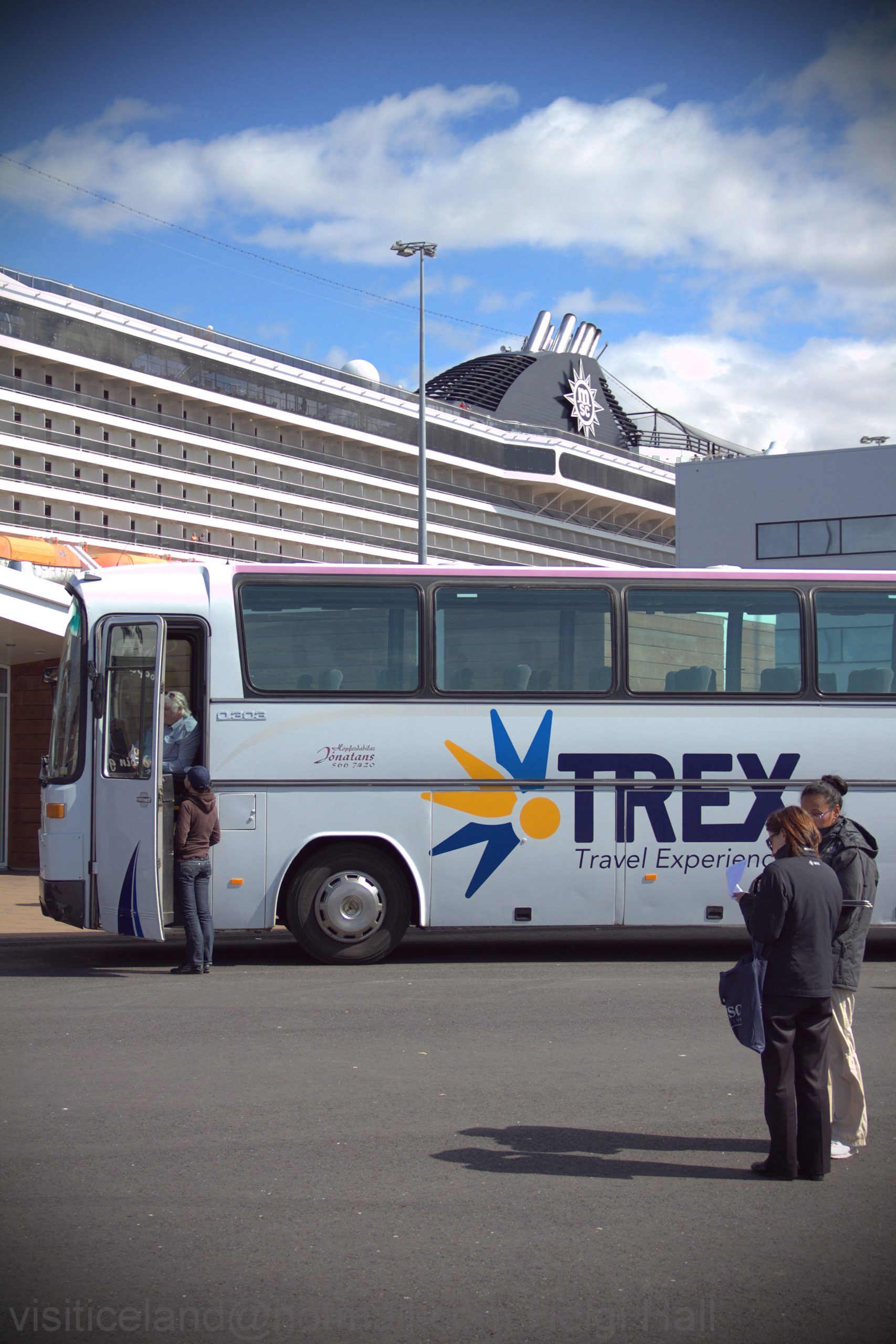

SEO for tour operators works best when every page answers one planning question and makes the next step obvious. Start with the journeys, destinations and departure details customers actually search for; support them with useful itineraries, current practical information, clear booking paths and Search Console measurement. The aim is qualified discovery that can lead to a trip.
Start with the trip a customer is trying to plan
A tour operator normally serves several search intents at once. A couple comparing a destination needs a different page from a family checking what a day tour includes, and both differ from a returning visitor looking for a booking date. Write down the decision before choosing a keyword.
- Destination discovery: the places, seasons and travel styles you actually sell.
- Product comparison: duration, group size, activity level, inclusions, exclusions and realistic starting points.
- Practical planning: what to pack, how transfers work, accessibility, arrival times and what happens if weather changes.
- Booking readiness: dates, availability, cancellation terms, contact details and the official booking route.
Map one primary page to each intent. A destination hub can introduce a region, while an individual tour page should answer the questions that decide whether someone books that specific product. This prevents several near-identical pages competing for the same search.
Build a useful tour-operator page
Put the answer a visitor needs before the brand history. A strong page makes the following clear without forcing readers through a long introduction:
- Where the tour goes and how long it lasts.
- Who it suits, including fitness, age or accessibility considerations when those are real requirements.
- What is included, what is not included and what the traveller must arrange.
- How the day or route flows, with a realistic itinerary rather than vague promises.
- How to check dates, ask a question or reach the authorised booking system.
Use descriptive headings such as “Two-day itinerary”, “What to bring” and “Cancellation and weather policy”. Keep the primary title specific to the product and destination. A page called “Our tours” gives a search engine and a person much less to work with than “Three-day guided kayak tour in Bohuslän”.
Use destination pages to earn discovery with useful listings
A destination guide can be a valuable entry point when it contains genuine planning help: route choices, transport constraints, seasonality, permits, safety checks and links to the operator’s relevant tours. It should not be a lightly edited list of sales phrases or a page that promises availability the operator has not confirmed.
Link from the destination guide to the exact tour pages, and link back from those tours to the guide when it helps someone compare options. Keep dates, prices and availability in the booking system or another source that the operator can maintain. If a fact is seasonal, label the review date and point readers to the responsible official source.
Make the booking path easy to understand
Search traffic only helps when visitors can take the next step. Every indexed tour page should expose one clear action: check dates, request a place, see the official booking page or contact the named operator. Keep the route consistent on mobile, and do not bury the action below several generic sections.
Explain what happens after a click. If another platform processes payment or registration, say that plainly and link directly to the operator’s current page. Avoid copying a third party’s availability, prices or descriptions into a page that cannot stay in sync.
Technical SEO checks for tour operators
Google’s SEO Starter Guide is a useful baseline. For a tour site, turn it into a short release checklist:
- Give each indexable route one descriptive title, one visible H1 and a self-referencing canonical.
- Make the important tour, destination and planning pages reachable through normal internal links.
- Keep booking, search results, duplicate filters and expired campaign pages out of the index when they have no independent reader value.
- Check that mobile pages load the same core information as desktop pages and that images have meaningful alternative text.
- Submit the canonical sitemap in Search Console and review crawl errors, indexed pages and queries after releases.
Structured data should describe what the page really is. For an itinerary or trip overview, review the Schema.org TouristTrip vocabulary and only publish properties the operator can support. Structured data does not replace visible itinerary, price or booking information.
Write for AI answers by making the facts easy to verify
Answer engines tend to need compact, quotable facts. Put a two- or three-sentence answer near the top, then support it with tables, definitions, source links and a visible FAQ. For example, a tour page can state the duration, starting point, season and booking route before explaining the story of the route.
Use specific nouns and dates instead of filler. Name the park, trail, town, ferry or official authority when it matters. If the operator has not verified a detail, leave it out or say what the traveller must confirm. This makes the page more useful to people and easier for systems to interpret without exaggerating what the business offers.
Earn trust with first-hand detail and responsible links
Show who maintains the page, when it was reviewed and which official sources support changing rules. A guide can include the operator’s own route knowledge, but it should distinguish that experience from official requirements. Link to national parks, transport authorities, visa portals and local safety guidance when they control the fact.
Useful mentions usually follow useful work: a local partnership, a genuinely distinctive itinerary, a clear accessibility resource or a well-maintained destination guide. Avoid buying links or publishing guest pages that have no relationship to the trips being offered.
Measure the pages that can lead to a booking
Search Console shows the queries and pages that earn impressions; analytics or booking reports show whether those visits lead to an enquiry or reservation. Review them together. A page with impressions but few clicks may need a clearer title and description. A page with clicks but no enquiries may have a mismatch between the search promise and the booking path.
Keep a simple monthly record of the page, query, position range, clicks, enquiries or bookings, and the change made. Refresh facts when the source changes, rather than simply adding a new date. A small set of accurate, useful tour pages is easier to maintain than a large set of overlapping landing pages.
Frequently Asked Questions
What is SEO for tour operators?
SEO for tour operators is the work of making destination, itinerary and booking pages discoverable for the questions travellers search before choosing a trip. It combines useful route information, clear product details, technical indexability, trusted sources and measurement of qualified enquiries.
What keywords should a tour operator target?
Start with the destinations, tour types, seasons and practical questions the business genuinely serves. Map one primary intent to each page, then use related questions such as duration, meeting point, packing, accessibility and cancellation rather than repeating the same destination phrase on every route.
Should every tour have its own SEO page?
Give a tour its own page when it has a distinct itinerary, audience, departure pattern or booking decision. Combine near-identical variants when the only difference is a filter, date or wording. Each indexable page should provide information that a traveller could not get from the parent listing alone.
What should a tour-operator FAQ answer?
Answer real pre-booking questions about duration, meeting point, fitness or accessibility, inclusions, weather, cancellation and the booking process. Keep answers current, visible on the page and consistent with the operator’s terms and official destination guidance.
How long does SEO take for a tour operator?
Search visibility changes at different speeds, so measure impressions, clicks and enquiries over a consistent period rather than promising a fixed deadline. Fix technical barriers first, publish genuinely useful pages, strengthen their internal links and review the data monthly before deciding what to expand.
Further reading: travel SEO keywords and content planning, travel map tools for a route-led site and how to evaluate a travel agency or programme.
Reviewed November 2026. Sources: Google Search Central SEO Starter Guide; Schema.org TouristTrip.
Featured photo: “Planning a tour around Iceland?” by Helgi Halldórsson, CC BY-SA 2.0, via Wikimedia Commons.
