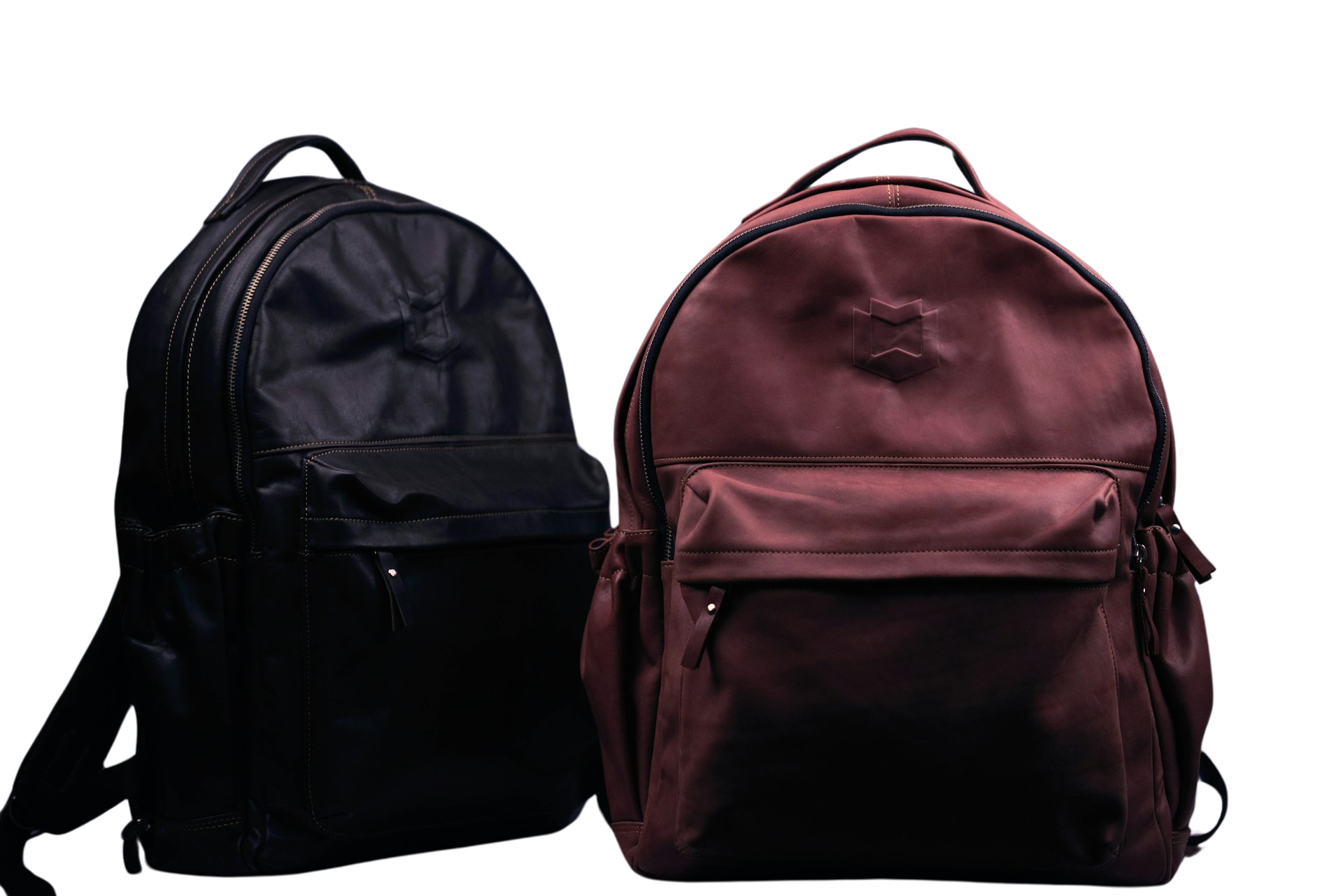

The best international carry-on backpack fits the smallest cabin limit on your route, weighs little when empty, and opens fully so security checks go fast. Choose the size first, then the harness, laptop protection and opening style. The table below shows what to check in each.
Why international trips change the choice
Cabin OK guidance gives a useful starting point for cabin bags, while airlines set their own limits, including weight. The operating carrier on each leg decides what you board with, so use the tightest limit on the itinerary. Security rules also vary by departure airport; the TSA carry-on tool covers US departures.
For the airline-by-airline size table, see our carry-on size limits guide. This page covers the backpack itself.
Decision table: what to look for
| Factor | What to look for | Why it matters on international trips |
|---|---|---|
| Capacity | Judge the bag by its packed shape and listed dimensions. A structured bag keeps a defined footprint; a soft bag changes shape as you fill it. | Several flights mean several sizers. A bag that keeps its shape gives a consistent result. |
| Dimensions | Compare the maker's external measurements (height, width and depth) with the smallest limit on your route. Choose a bag with compression straps and a shallow front pocket. | Depth grows as you pack. Compression straps pull a full bag back toward its listed size. |
| Weight | Pick a light empty bag so the allowance goes to your gear. A heavy frame and thick padding use up the allowance before you pack a shirt. | Weight rules vary by carrier. Packing to the lowest limit on your route covers every leg. |
| Harness | Look for a padded shoulder strap, an adjustable torso length, a sternum strap and a hip belt that removes or tucks behind a panel. A back panel with airflow channels helps on long walking days. | Terminals, passport queues and train transfers load your shoulders for hours. Stowable straps keep the bag tidy in overhead bins and on conveyors. |
| Laptop protection | Choose a padded sleeve against your back with a raised lip, so the laptop stays off the floor when you set the bag down. Side or back-panel access lets you slide the laptop out while the rest of the bag stays closed. | Many checkpoints ask you to remove the laptop. A sleeve you reach without unpacking speeds up the screening line. |
| Opening style | A clamshell opens like a suitcase and suits packing cubes. It also lets an officer inspect the contents without you unpacking. A top-loader has fewer zippers and suits lighter packers. Pick one with a side or front access panel so you can reach items at the bottom. | Inspections and repacking happen in tight spaces. Full-length access makes both easier. |
For wider comparisons across all travel backpacks, read our best travel backpacks guide.
Read the specification sheet
Use the manufacturer's external measurements rather than the volume headline. Compare height, width and depth with the smallest carrier limit, then check where the laptop sleeve sits, whether the shoulder straps tuck away, and whether the zippers can be secured. A clean specification sheet makes a bag easier to compare before a trip.
Pack-test the shortlist
Load the laptop, charger, one pair of shoes, a jacket and the small items you normally carry. Close every compartment, tighten the compression straps and measure the bag at its fullest points. Walk with it for ten minutes and lift it into an overhead-height position. The best fit is the bag that meets the route's limit and still feels manageable.
How to size the bag to your route
- List every flight. Write down the operating carrier for each leg.
- Take the smallest limit. Use the tightest size and weight rule as your target.
- Pack and measure. Compare the filled bag's external measurements with that target, then weigh it with your normal electronics.
If you plan to use the same bag as your personal item on some legs, the dimensions are much smaller. Our personal item backpack size guide covers them.
Limits were last checked in November 2026. Confirm size and weight with the operating carrier once before you fly.
International airport day checklist
Use this list on the morning you fly. It covers the bag. The full trip list lives in our international travel packing list.
- Bag packed, compressed and weighed against the lowest limit on your route.
- Front pocket flat, with nothing bulky pushing the bag past the sizer.
- Liquids in a clear pouch at the top of the bag, within your departure airport's rules.
- Laptop, tablet and large electronics reachable without unpacking.
- Charger and cables in an outer pocket, so they stay out of the main compartment during screening.
- Water bottle empty before the checkpoint.
- Harness straps and hip belt tucked away before you reach the gate.
- Zipper pulls closed and any luggage tag attached and legible.
- Copies of your passport and itinerary stored separately from the originals, as the U.S. State Department's traveler checklist suggests.
FAQ
What size carry-on backpack works for most international flights?
Choose a bag that fits the smallest limit among the operating carriers on your itinerary. IATA's Cabin OK program publishes a guideline cabin bag size, and each airline sets its own rule on top of it. Measure the packed bag, since an empty bag understates its depth.
Can a carry-on backpack also be your personal item?
Only if it fits the personal item limit of your airline, which is usually smaller than the carry-on limit. Our personal item backpack size guide lists dimensions.
Do international airlines weigh carry-on bags?
Check the operating carrier's weight rule for each leg, and pack to the lowest limit on your route. A light empty bag gives you the most room under any limit.
Are liquids allowed in a carry-on backpack on international flights?
Yes, within limits. Rules differ by country and airport, so check the screening rules for your departure airport. For US departures, the TSA's "What Can I Bring" tool lists allowed items.
Is a clamshell or top-loading backpack better for travel?
A clamshell suits most international trips because it packs easily and opens fully for inspection. A top-loader suits lighter packers who want fewer zippers and choose a model with a side access panel.
Next step
Measure your packed bag, compare it with the smallest limit on your route, then check the exact numbers in our carry-on size limits guide.
Sources
- Cabin OK guidance
- TSA carry-on checker
- U.S. Department of State, International Travel Checklist: https://travel.state.gov/content/travel/en/international-travel/before-you-go/travelers-checklist.html