
The best hostels in Lisbon depend on whether the trip is built around historic streets, nightlife, museums, the river or an easy airport connection. Baixa and Chiado make first-time sightseeing simple, Bairro Alto and Cais do Sodré suit late evenings, and Belém or Parque das Nações give a different pace. Compare the hill, exact station, room rules and late arrival route before booking.
Last reviewed: 27 November 2026. Hostel facilities, transport fares and city services can change; confirm current details with the property and official Lisbon sources before booking.
Lisbon hostel areas at a glance
| Area | Best fit | What to check |
|---|---|---|
| Baixa and Rossio | First visits, central sights and easy walking | Hills at the edges, street noise and luggage access |
| Chiado and Bairro Alto | Restaurants, culture and nightlife | Late noise, stairs and the route home |
| Alfama and Mouraria | Historic lanes, viewpoints and Fado | Steep streets, taxi access and room ventilation |
| Cais do Sodré | Riverfront, nightlife and onward rail or ferry | Weekend noise and the final late route |
| Marquês de Pombal and Avenida da Liberdade | Metro access, longer stays and broad avenues | Walking distance to the old centre and traffic |
| Belém | Museums, riverfront and a slower base | Tram or train frequency and evening services |
| Parque das Nações | Modern architecture, airport access and events | Distance from the historic centre |
Start with official Lisbon information
Visit Lisboa’s city guide describes Lisbon as a city connected by Metro, trams and trains, with the Tagus waterfront, historic areas and beaches within the wider region. Use it to choose the type of trip first, then compare hostels on the exact street. A central address can still involve steep cobbles, stairs or a long walk with a backpack.
The tourism board’s historic-neighbourhood guide covers Alfama, Bairro Alto, Baixa, Belém, Cais do Sodré, Chiado, Graça, Mouraria and Príncipe Real. These labels help with atmosphere, but hostel listings and operating details change. Visit Lisboa’s hostel listings are useful for checking current properties and facilities before opening the property’s own booking page.
For arrival and city transport, read the Lisbon Metro visitor information and its airport route page. The Metro runs through the main visitor areas, while trams, buses and trains cover streets and destinations the Metro does not reach. Save the hostel’s address and entrance instructions offline before leaving the airport.
Choosing a Lisbon neighbourhood
Baixa and Rossio are the simplest first-trip bases for walking to Praça do Comércio, Rua Augusta, museums and the river. The streets are relatively legible compared with the older hills, and Rossio connects with trains and other city routes. Check the walk from the station, the number of stairs at the property and whether the bedroom faces a busy square.
Chiado and Bairro Alto put theatres, restaurants, cafés and nightlife close together. Chiado works for travellers who want culture and shopping during the day; Bairro Alto becomes much livelier at night. Choose these areas when evenings matter, then inspect quiet-hour rules, sound insulation, late reception and the route back on foot. Hills and steps can make a short map distance tiring with luggage.
Alfama and Mouraria offer older streets, viewpoints and Fado venues. They suit travellers who enjoy atmosphere and do not mind uneven paving or steep climbs. A hostel may be close to a landmark but difficult for a taxi or airport transfer to reach. Ask for the clearest arrival instructions, check whether a lift exists and consider the final uphill walk after a late flight.
Cais do Sodré is a useful base for the riverfront, nightlife, ferry connections and trains toward Cascais. It is a good fit for a short city break that mixes central sights with the waterfront. Weekend nights can be busy, so compare a courtyard-facing room, quiet hours and the last practical route to the property before booking.
Marquês de Pombal and Avenida da Liberdade suit longer stays and travellers who prefer broad avenues, Metro access and a less maze-like address. Visit Lisboa’s listings include properties around this corridor, and the area connects well with the old centre. Allow for the walk downhill or uphill between the hostel and Baixa, and ask whether a main-road room has effective window insulation.
Belém works for museum, riverfront and monument days. Visit Lisboa includes Belém among the city’s main areas, and the district offers a different pace from the historic centre. It is less convenient for late nightlife and some central sights, so check the last tram, train or bus and decide whether saving on room location offsets the extra transport time.
Parque das Nações gives airport and event access, modern public spaces and a flatter, contemporary setting. It is a practical choice when the trip includes an event, Oceanário or early flight. The historic centre is farther away, so map the complete journey and verify the first and last service rather than relying on the district’s airport reputation.
Use the destinations guide to place Lisbon within a wider Portugal and Europe trip. The cheap places to travel guide helps compare Lisbon with lower-cost bases, and backpacking Europe routes is useful for building onward rail and bus connections.
Dorm and private-room checks
- Bed privacy: Check for curtains, reading lights, sockets and enough headroom. A smaller dorm can be quieter than a large room in the same hostel.
- Lockers: Confirm the locker dimensions and whether a padlock is needed. Compare those measurements with the best travel backpacks guide before you arrive.
- Bathrooms: Read whether the room is en suite or uses shared bathrooms, and ask about step-free access if required.
- Air conditioning and heating: Lisbon weather varies through the year. Check the bedroom’s ventilation, heating or cooling and whether windows face a nightlife street.
- Kitchen and laundry: Longer stays benefit from food storage, cooking hours and a working laundry option. Confirm what is included in the room description.
- Reception and arrival: Read minimum-age rules, key-card access, late check-in and luggage-storage instructions. Older buildings can have stairs even when the listing looks central.
- Cancellation and deposits: Compare flexible and non-refundable terms, then inspect the final booking screen for deposits, linen, towels and city-tax details.
Private rooms can still have shared bathrooms or a street-facing window. Read the full room description and send the property one precise question when a detail affects the choice. Recheck the property’s own page close to arrival because facilities and house rules change.
Getting around Lisbon from a hostel
Lisbon’s Metro is useful for airport arrivals and longer crossings, while trams and buses reach streets and viewpoints outside the rail network. The official Metro information says the system operates daily, and the airport has a Metro connection to the city. Check the current first and last services before booking a hostel outside the centre.
The Metro’s published 2026 occasional fares list a Carris/Metro ticket at €1.90, a 24-hour Carris/Metro ticket at €7.25 and a contactless Metro journey at €1.92. These figures are dated to the official 2026 tariff and can change; use the current Metro fare page when planning rather than copying an old travel blog’s prices.
Plan three routes before arrival: airport to hostel, hostel to the first sight, and the late route home. Check the nearest station exit, the uphill section and whether the property is inside a pedestrian or restricted-access street. Save the address in your phone and offline maps; a short distance can involve a long climb.
For Sintra, Cascais or river crossings, verify the operator, station and last return service separately. If a hostel is in Belém or Parque das Nações, compare the complete day route rather than assuming the city’s transport network makes every area equally convenient.
Choosing by travel style
Solo travellers often value a social common room, kitchen and activities. Check security, locker size, dorm capacity and quiet hours first. A central social property can work well when the bedroom is separated from the bar or street.
Couples and friends can compare a private room with two beds in a dorm. Confirm whether the private room has a private bathroom, whether towels are included and whether the room sits above a common area.
Remote workers need a reliable connection, a usable desk or common area and a quiet period. A lively Bairro Alto property may be convenient for evenings but a poor fit for calls; ask the hostel about workspace and house rules.
Early flights favour a simple Metro, taxi or pre-booked transfer route. Marquês de Pombal, Baixa and central addresses can be convenient, but check the exact first service and the walk to the station with luggage.
Frequently Asked Questions
What are the best areas to stay in a Lisbon hostel?
Baixa and Rossio are practical for first visits, Chiado and Bairro Alto suit culture and nightlife, and Alfama offers historic streets and Fado. Marquês de Pombal works for longer stays and Metro access, while Belém or Parque das Nações suit specific museum, event or airport plans.
Are Lisbon hostels good for solo travellers?
They can be, especially when the property has a common room, kitchen and clear security rules. Choose a dorm size that suits your sleep, confirm the locker and key-card arrangements, and read the current age and quiet-hour policy before booking.
Is Bairro Alto too noisy for a hostel stay?
Bairro Alto is lively at night, so the experience depends on the street, floor and bedroom. Ask about quiet hours, request a room away from bars and compare Chiado, Marquês de Pombal or Belém when sleep is a priority.
How do visitors get around Lisbon from a hostel?
Use the Metro for the airport and longer crossings, then add trams, buses or trains for areas outside the rail network. Check Lisbon Metro’s current fares and service times, map the exact station exit and save the route home for late arrivals.
What should travellers check before booking a Lisbon hostel?
Confirm the exact address, hills and stairs, dorm or private-room setup, locker size, bathrooms, ventilation, kitchen, laundry, age rules, reception and late check-in, cancellation terms, deposits, luggage storage and the airport route. Recheck the property’s own page because details change.
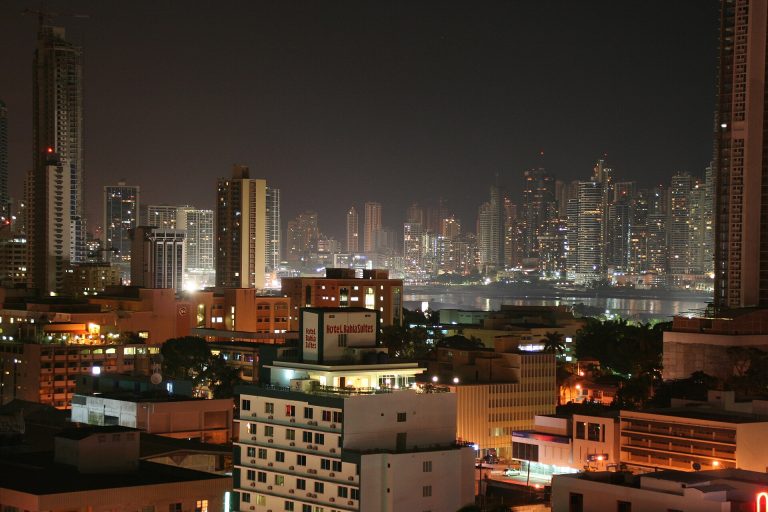
Featured photo: Destination Sunset hostel by Rick McCharles, Wikimedia Commons, CC BY 2.0.jpg). The image is used under its stated licence with attribution.