
The Cabo Verde islands form a 10-island Atlantic archipelago off West Africa, split into northern Barlavento and southern Sotavento groups. Plan around two to four islands matching your priorities: Sal and Boa Vista for wide beaches, São Vicente and Santiago for music and history, and Santo Antão or Fogo for mountain hiking.
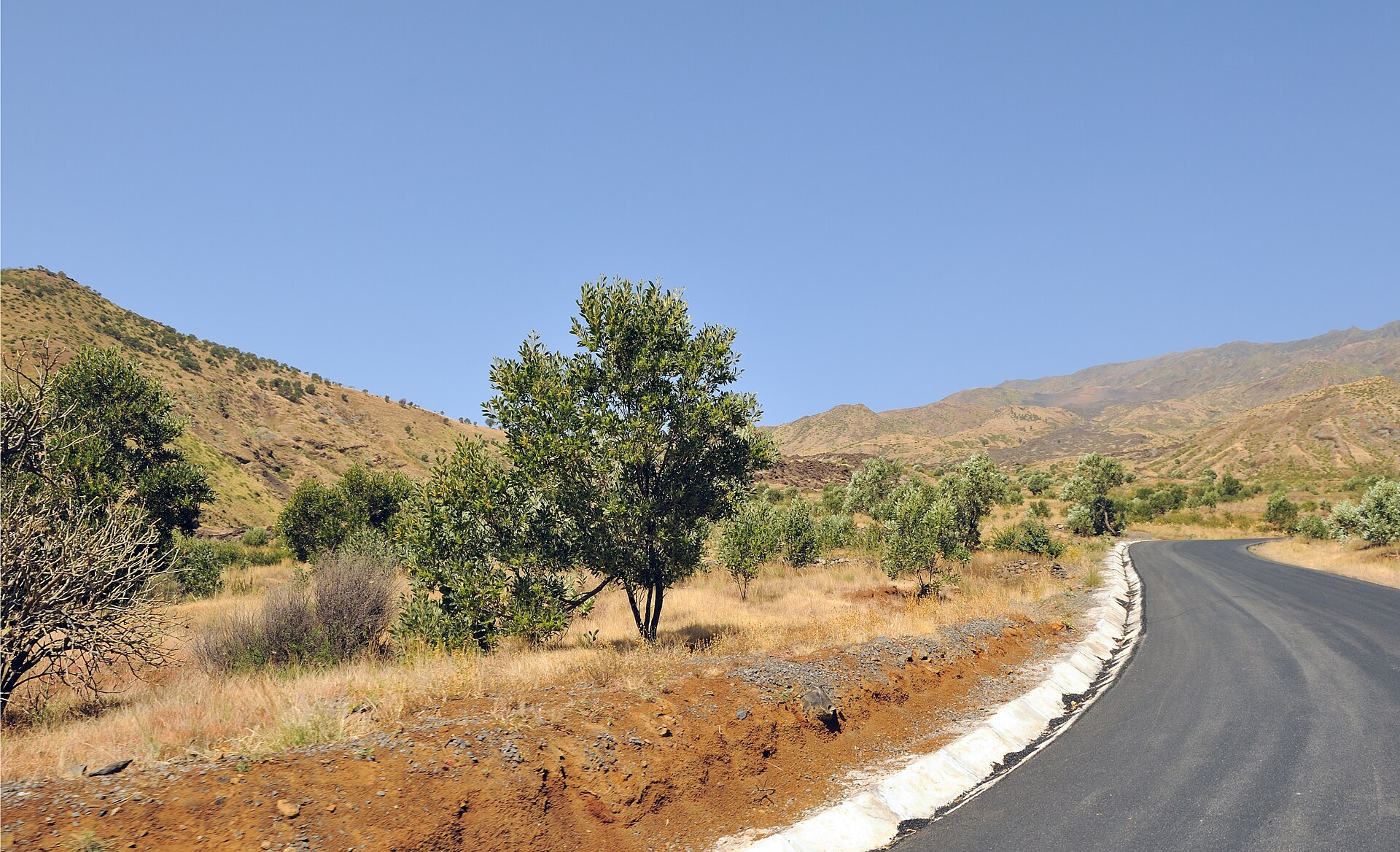
*Photo: Cayambe, CC BY-SA 3.0, via Wikimedia Commons.*
How the Archipelago Splits
Nine of Cabo Verde's ten islands are inhabited, while Santa Luzia is uninhabited. Trade winds divide the country into two geographic clusters documented on Visit Cabo Verde: the northern Barlavento (windward) islands and the southern Sotavento (leeward) islands.
Because inter-island connections run on limited timetables, focus on one cluster when you have a week, and combine both clusters when you have two weeks. If you are comparing mid-Atlantic trips across our destinations directory, weighing options among underrated travel destinations, or bookmarking this Cape Verde islands travel guide for route planning, start with the six main visitor islands below.
| Island | Group | Main Airport or Port | Best Fit | Practical Access Note |
|---|---|---|---|---|
| Sal | Barlavento | Amílcar Cabral International Airport (SID) | Wide beaches, windsurfing, kitesurfing | International airport (SID); flat, arid terrain |
| Boa Vista | Barlavento | Aristides Pereira International Airport (BVC) | Dunes and secluded sandy coastline | International airport (BVC); quiet rural roads |
| São Vicente | Barlavento | Cesária Évora International Airport (VXE) | Live music, port-city culture, Mindelo | Gateway port for ferries to Santo Antão |
| Santo Antão | Barlavento | Porto Novo ferry port (no airport) | Steep mountain trails and terraced valleys | Reached by ferry from Mindelo (45 to 60 minutes) |
| Santiago | Sotavento | Nelson Mandela International Airport (RAI) | History, capital city life, mountain roads | International airport (RAI); largest and most populous island |
| Fogo | Sotavento | São Filipe Airport (SFL) | Active volcano trekking and caldera walks | Domestic airport in São Filipe; high-altitude caldera base |
How to Choose Between the Six Main Islands
Sal
Choose Sal for long white-sand beaches, flat desert terrain, and steady Atlantic wind for kitesurfing and windsurfing. Amílcar Cabral International Airport (SID) sits centrally on the island, keeping road transfers to coastal areas short. Skip Sal as a standalone base if you want mountain trails or dense urban culture.
Boa Vista
Choose Boa Vista for wide, quiet stretches of sand and sweeping inland dunes. The island suits travelers who prefer a slow coastal pace and off-road day excursions from Aristides Pereira International Airport (BVC). Skip it if you want walkable city neighborhoods or daily inter-island hops.
São Vicente
Choose São Vicente for port-town atmosphere, live music, and cultural life centered on Mindelo, the birthplace of singer Cesária Évora. Mindelo's waterfront makes an easy base for two or three nights, and Cesária Évora International Airport (VXE) connects directly into the northern cluster. Most itineraries pair São Vicente with Santo Antão across the channel.
Santo Antão
Choose Santo Antão for steep volcanic ridges, terraced agricultural valleys such as Vale do Paúl, and historic cobblestone mountain trails. Santo Antão has no operating airport, so visitors arrive by ferry at Porto Novo from Mindelo. Build at least three full days here to absorb mountain road transfers between valleys.
Santiago
Choose Santiago for urban markets, colonial history, and interior mountain roads. As the largest and most populous island, Santiago holds the capital city of Praia, Nelson Mandela International Airport (RAI), and the UNESCO World Heritage historic settlement of Cidade Velha. Allow two to three nights to cover both the coast and the interior.
Fogo
Choose Fogo for volcanic geology and high-altitude walking. The active stratovolcano Pico do Fogo rises to 2,829 meters above sea level above the black-lava floor of Chã das Caldeiras at roughly 1,600 to 1,800 meters. Split two to three nights between São Filipe and Chã das Caldeiras to balance port-town logistics with early trail starts.
Flights vs. Ferries Between Islands
Getting around Cabo Verde combines short domestic flights with passenger ferries. Live schedules and route pairings shift by season on Cabo Verde Airlines, CV Interilhas, and Visit Cabo Verde's Travel-Wise FAQ.
- When to fly: Use domestic flights on Cabo Verde Airlines for longer hops between northern and southern islands, where air transfers save hours compared with open-ocean sailings. Domestic flights connect the main airports, though indirect routings often connect through Praia (RAI) or Sal (SID) depending on the day of the week.
- When to take the ferry: Take the passenger ferry operated by CV Interilhas between Porto Mindelo on São Vicente and Porto Novo on Santo Antão. Multiple daily crossings run roughly 45 to 60 minutes. On tight itineraries, avoid relying on long open-ocean ferry routes between northern and southern clusters, because multi-hour maritime crossings consume full travel days.
- Buffer rule: Plan to return to your international departure island a day ahead of your flight home. Building an overnight buffer protects your international connection if wind or visibility delays a domestic flight or ferry.
- Managing trip costs: Total trip spending hinges on four levers: how many domestic flight segments you stack, traveling in peak winter months versus shoulder periods, choosing ferry-linked pairings like São Vicente and Santo Antão, and balancing resort hubs against local guesthouses. For broader budget-planning strategies across regions, see our guide to cheap places to travel.
Wind, Weather, and Hiking Considerations
Cabo Verde has a warm, subtropical oceanic climate year-round, with a dry season from November to July and a warmer rainy season from August to October. Steady Atlantic breezes keep coastal air comfortable and create consistent wind conditions on Sal and Boa Vista.
Two seasonal weather patterns affect transport and trails, as noted in the Government of Canada travel advice for Cabo Verde:
- **Saharan dust winds (*bruma seca*):** Dry, sand-laden winds from the Sahara can blow for days, particularly in January and February, reducing visibility, irritating airways, and occasionally disrupting domestic flights.
- Rainy season (mid-August to mid-October): Seasonal showers bring greenery to Santo Antão and Fogo while creating muddy slopes, low cloud cover over viewpoints, and localized flooding or landslide hazards on steep mountain terrain such as Fogo.
Dry-season months offer firmer cobblestone tracks and clearer views, while post-rain months bring greener valleys. Two well-known routes show what to prepare for:
- Cova Crater to Vale do Paúl (Santo Antão): Starting near the crater rim at 1,100 to 1,200 meters, this steep cobblestone descent drops to sea level in about five to six hours. Wear grippy trail shoes and carry trekking poles if steep downhill steps strain your knees.
- Pico do Fogo summit (Fogo): Starting from Chã das Caldeiras, the climb adds roughly 1,000 vertical meters over loose volcanic ash and steep rock to the 2,829-meter summit. Start early to beat midday heat, carry ample water and sun protection, and consider hiring a local guide for route finding on the volcano.
At the coast, strong Atlantic currents, heavy shore breaks, and shifting tides persist year-round across beaches. Follow local warning flags before swimming.
Flexible One-Week and Two-Week Routes
One-Week Route (Pick One Cluster)
- Northern culture and hiking (7 nights): Fly into São Vicente (VXE) for 2 nights in Mindelo. Take a morning ferry to Porto Novo and spend 4 nights on Santo Antão splitting your time between northern valleys and coastal trails. Take the afternoon ferry back to Mindelo for 1 final buffer night before flying out of VXE.
- Southern volcano and heritage (7 nights): Fly into Santiago (RAI) for 3 nights covering Praia, Cidade Velha, and the island's interior mountain roads. Take a domestic flight to Fogo (SFL) for 3 nights split between São Filipe and Chã das Caldeiras. Fly back to Praia for 1 buffer night before departure.
- Beach-first week (7 nights): Fly directly into Sal (SID) or Boa Vista (BVC) and stay put for the week to maximize beach and water-sport time with zero domestic airport transfers.
Two-Week Route (North Plus South)
- Days 1 to 3 (São Vicente): Land at VXE and settle into Mindelo for live music, harbor walks, and island orientation.
- Days 4 to 7 (Santo Antão): Cross by ferry to Porto Novo for four days of valley and coastal hiking. Return to São Vicente on the evening of Day 7.
- Days 8 to 10 (Santiago): Fly south to Praia (RAI). Explore Cidade Velha, Praia's markets, and the island's interior ridges.
- Days 11 to 13 (Fogo): Fly to São Filipe (SFL) and head up to Chã das Caldeiras for caldera walks or the Pico do Fogo ascent.
- Day 14 (Departure buffer): Return to Praia (or onward to Sal if your return ticket departs from SID) one day ahead of your international flight.
Entry Requirements, Visas, and Airport Security Fee Checks
Entry formalities in Cabo Verde depend on your nationality. Confirm current rules, eligible exemptions, and Airport Security Tax (TSA) requirements directly through the Cabo Verde Government Visa Portal, the official Cabo Verde Travel Guide PDF, and your home government's advisory such as travel.gc.ca before booking flights.
- Visa exemptions and advance visas: Nationals of many countries, including EU member states, the UK, the US, Canada, and EFTA countries, qualify for short tourist stays up to 30 days without a consular visa. Citizens of non-exempt countries must obtain an advance visa through a Cabo Verdean embassy, consulate, or official consular channel on
gov.cv. - EASE pre-registration and Airport Security Tax (TSA): Even when visa-exempt, foreign travelers must pre-register online via the official EASE platform and pay the mandatory Airport Security Tax (TSA). Complete EASE registration at least five days before departure and keep a printed or offline copy of the confirmation receipt for boarding and border control.
- Passport validity and documents: Cabo Verde requires a passport valid for the duration of your stay, while some airlines enforce six months of remaining validity. Check your carrier's policy alongside official entry rules, and carry proof of accommodation and onward travel.
Frequently Asked Questions
How many Cabo Verde islands should you visit in one trip?
Visit one or two islands in a week, and three or four in two weeks. Pair nearby islands such as São Vicente and Santo Antão, or Santiago and Fogo, to limit flight connections and transit days.
Do you need a visa or EASE pre-registration to visit Cabo Verde?
Entry rules depend on your nationality. Citizens of many countries, including EU member states, the UK, the US, and Canada, qualify for short visa-exempt tourist stays up to 30 days, while other nationalities need an advance visa. Foreign visitors must still complete EASE pre-registration and pay the mandatory Airport Security Tax.
Can you fly directly to Santo Antão?
No. Santo Antão has no operating airport. Fly into Cesária Évora International Airport on São Vicente, then take the regular passenger ferry from Mindelo to Porto Novo, which takes about 45 to 60 minutes.
When is the best time to hike on Santo Antão and Fogo?
The dry season from November to July brings drier cobblestone tracks, clearer mountain viewpoints, and steady Atlantic breezes. The rainy season from mid-August to mid-October greens the valleys while adding mud, low cloud cover, and occasional rain delays on steep trails.
Are ferries or domestic flights better between the Cabo Verde islands?
Take the passenger ferry for the short channel between São Vicente and Santo Antão. For longer jumps across open water between northern and southern islands, domestic flights save transit time compared with multi-hour maritime crossings.
nnn