
For a Europe trip, pack versatile layers, comfortable walking shoes, a compact day bag and document backups that match every country on your route. Add a rain shell, power solution and medicines, then adjust for season and activities. Rail travel rewards a smaller bag: you will carry it through stations, cobbled streets and hotel stairs.
The Europe packing list at a glance
| Category | Pack | Why it matters |
|---|---|---|
| Documents | Passport, entry records, insurance details, reservations and offline copies | Borders and carriers may ask for different evidence. |
| Clothing | Three to five quick-drying tops, two bottoms, underwear and a flexible mid-layer | Repeating layers keeps luggage manageable across cities. |
| Shoes | Broken-in walking shoes and optional light sandals | City routes, stations and uneven streets add daily steps. |
| Weather | Packable rain shell, compact umbrella, sun protection and a warmer layer | European conditions vary by latitude, coast and altitude. |
| Health | Regular medicines, prescriptions, basic first aid and personal essentials | Keep medicines accessible and check destination rules early. |
| Tech | Phone, charger, power bank, adapter and offline maps | Navigation and reservations still need a battery backup. |
| Day bag | Small backpack, bottle, tissues, lock and foldable tote | Carry the day’s essentials without hauling your main bag. |
Start with your route and the month you travel. A week split between Mediterranean cities, Alpine towns and northern capitals needs different layers than a single-country summer trip. The EU’s Your Europe portal and Re-open EU provide current entry and document information; verify your own nationality, route and carrier rules before leaving.
Clothing for changing European weather
Build around layers rather than one heavy outfit. A breathable base, light mid-layer and rain shell cover more situations than bulky pieces. Choose fabrics that dry overnight and colours that work together, so a small wash does not leave you without an outfit.
Spring and autumn
Pack a warm layer, long trousers, a rain shell and shoes with dependable grip. Shoulder-season mornings can be cool while afternoons are mild. Northern and inland locations often feel colder than a coastal forecast suggests; check the local weather for each stop rather than one country-wide average.
Summer
Prioritise breathable clothing, sun protection and one layer for cool evenings or air-conditioned trains. A light scarf or overshirt can cover shoulders at religious sites. Keep rain protection in the day bag because summer storms can arrive quickly, especially in mountain and continental regions.
Winter
Use a warm base layer, insulating mid-layer, weatherproof coat, gloves, hat and footwear that stays dry. If the route includes snow or high elevations, add traction and moisture management. City-only trips need less technical gear, but station-to-hotel walks still make a warm, waterproof outer layer worthwhile.
Shoes, bags and rail days
Comfortable shoes are the most important item on many Europe trips. Break them in before departure and choose a pair that handles pavement, stairs and occasional wet ground. Pack a compact second pair only if your itinerary or dress needs justify the space.
A small backpack or cross-body day bag is easier on trains and in crowded streets than a large tote. Keep your passport, phone, cards and medicines close to you. A foldable tote adds carrying capacity for groceries or a jacket without becoming another full-size bag.
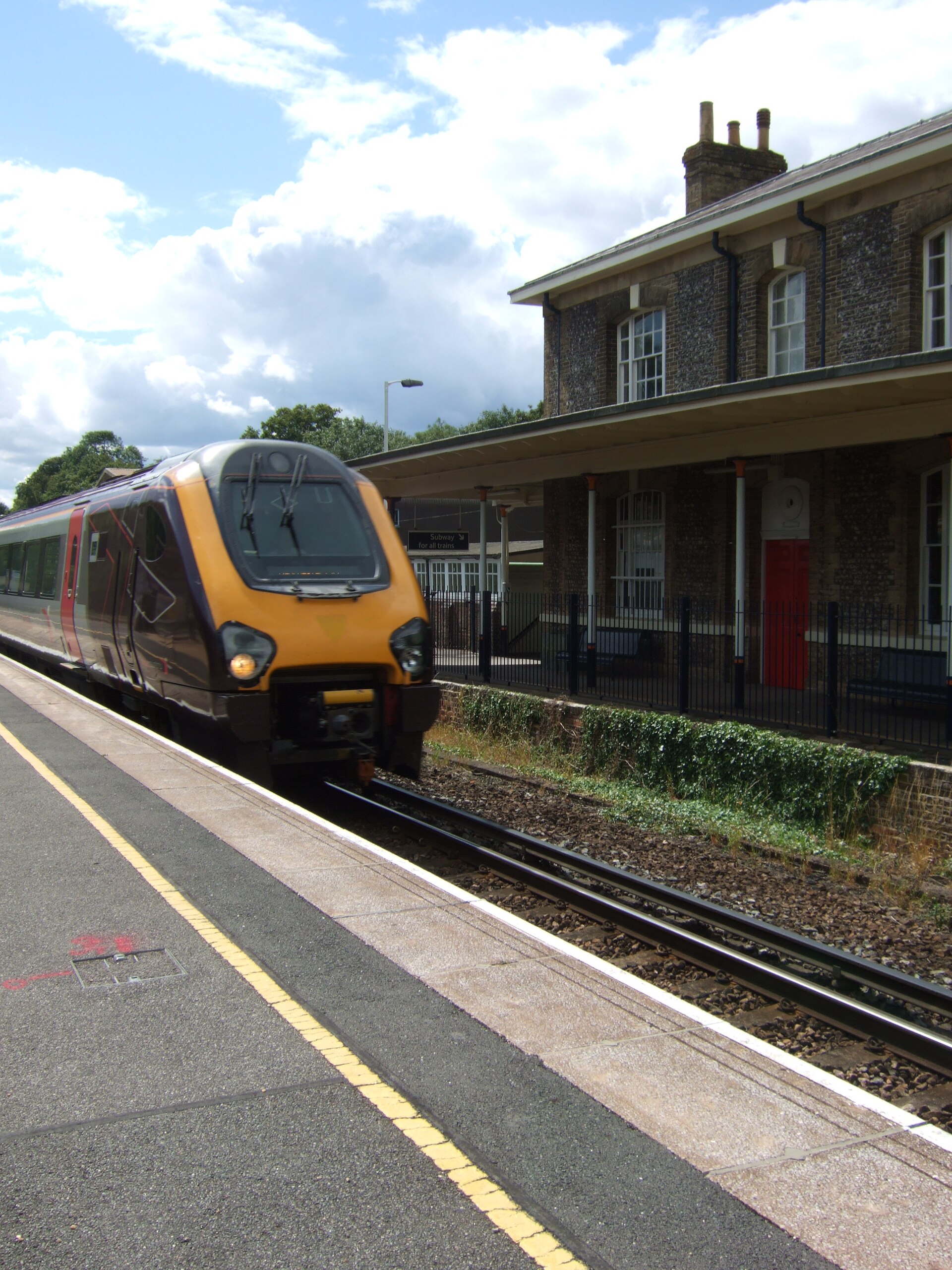
If you are changing trains, keep your main bag light enough to lift onto a rack or carry up stairs. A luggage strap, packing cubes and a simple laundry pouch reduce friction when you move every few days.
Documents, money and security
Make an offline copy of your passport, insurance policy, reservations and emergency contacts. Keep one copy in secure cloud storage and another separate from the original documents. Check entry requirements for every country, including transit countries; rules can differ even inside the Schengen area depending on nationality and purpose.
Carry at least one payment method separately from your wallet. A small amount of local currency can help when a machine or small business does not accept your preferred card, but avoid carrying all your cash together. Use a simple cable lock only where it is permitted and useful; do not rely on it as a substitute for awareness.
Tech, power and cabin rules
Download maps, rail tickets, accommodation details and translation tools before departure. A power bank belongs in carry-on baggage, and airlines may have specific limits. EASA’s dangerous-goods guidance is the right place to check current rules for spare batteries, power banks and other electronics.
European outlets are not identical everywhere, so check the plug type and voltage for each country. A universal adapter can be practical, but confirm that it is compatible with your devices. Keep one charging cable in your day bag for long rail days.
Health and personal items
Carry regular medication in original packaging and keep prescriptions or supporting documentation where required. Check destination restrictions early for controlled medicines. A small kit with plasters, pain relief, hand hygiene supplies and any personal essentials can save a late search after arrival.
Pack toiletries in a leakproof pouch. If you fly with only a cabin bag, review the current airline and airport liquid rules rather than assuming every airport uses the same process. A refillable bottle is useful after security where facilities allow it.
Route-specific additions
- City and museum trip: one smart-casual layer, small day bag and shoes for pavement.
- Rail-heavy itinerary: luggage strap, compact laundry pouch and a lighter main bag.
- Alpine or northern route: warmer base layer, waterproof shell and weatherproof footwear.
- Mediterranean summer: sun protection, breathable tops and a light evening layer.
- Hiking extension: trail shoes, blister care, navigation backup and route-appropriate layers.
- Religious or formal visits: a covering layer and clothing that meets the site’s guidance.
Final Europe packing checklist
- [ ] Passport and entry requirements checked for every country and transit point
- [ ] Insurance details, reservations and emergency contacts stored offline
- [ ] Medicines and prescriptions checked against destination rules
- [ ] Three-season layers chosen for the actual route and forecast
- [ ] Broken-in walking shoes tested in wet conditions
- [ ] Rain and sun protection placed in the day bag
- [ ] Adapter, charger, power bank and offline maps packed
- [ ] Main bag light enough for stairs and train racks
- [ ] One spare outfit and essential medicine in carry-on luggage
- [ ] Liquid and battery rules checked against the current carrier guidance
How many clothes should a traveller pack for Europe?
For a week, three to five tops, two bottoms, underwear, sleepwear and two layers usually create a flexible base. Add activity-specific items only when the route requires them, and plan a small laundry stop rather than carrying a separate outfit for every day.
What shoes are best for a Europe trip?
Choose broken-in walking shoes with support and grip for pavement, stairs and uneven streets. Add a second pair only for a clear weather, hiking or dress requirement. New shoes are a poor bet when a trip includes long station transfers and full sightseeing days.
Is a travel adapter needed in Europe?
Check the plug type and voltage for each country and for every device. Many travellers use a universal adapter, but confirm compatibility before leaving. Keep a charging cable and power bank in your carry-on and review current airline battery rules.
Is a backpack or suitcase better for Europe?
Choose the bag that fits your route and carrying ability. A compact suitcase can work on smooth city routes, while a lighter backpack is often easier on stairs, trains and cobbled streets. Either way, keep the total weight manageable for moving between stops.
Which documents should travellers carry for Europe?
Carry your passport, any required entry evidence, insurance details, reservations and emergency contacts, with offline copies. Verify requirements for your nationality and every country on the route through official EU and government sources shortly before departure.
Plan the next step
Map the route and season first, then use the international travel packing list for document and health details. Compare route styles in backpacking Europe routes, choose a suitable bag from the best travel backpacks, and use cheap countries to visit when you are still deciding where to go.
Sources checked 2026-11-28: Your Europe travel documents, EASA dangerous-goods guidance, European Environment Agency climate indicators, and Re-open EU.