
For Iceland, pack waterproof outer layers, insulating mid-layers, sturdy shoes and a day bag that protects electronics from wind and rain. Add gloves, a hat, swimwear and a headlamp when the season calls for them. Road conditions and daylight change quickly, so your clothing and route plan should follow the latest official forecasts.
Iceland packing list at a glance
| Category | Pack | Why it matters |
|---|---|---|
| Outer layer | Waterproof, windproof shell and rain trousers | Wind and rain can arrive together, even on a short walk. |
| Insulation | Fleece or wool mid-layer, warm base layer and spare socks | Layers adapt better than one bulky coat. |
| Footwear | Waterproof walking or trail shoes with grip | Paths, lava rock and wet ground demand stable footing. |
| Accessories | Warm hat, gloves, neck layer and sunglasses | Wind chill and glare can change comfort quickly. |
| Road days | Refillable bottle, snacks, offline maps and power bank | Distances and services vary outside towns. |
| Documents | Passport, insurance, reservations and offline copies | Keep essentials available when reception is limited. |
| Activity extras | Swimwear, towel, headlamp and camera protection | Hot pools, dark hours and wet conditions are common parts of a route. |
Iceland is a layers destination. Start with the month, regions and activities on your itinerary, then check the Icelandic Met Office, SafeTravel Iceland and road.is before each driving day. A summer forecast can still mean cold wind and rain, while winter travel demands more warmth, visibility planning and flexible routes.
Clothing layers for Iceland
Use a moisture-managing base, a warm mid-layer and a waterproof shell. Wool or quick-drying synthetic fabrics are easier to manage than heavy cotton, especially when accommodation changes every night. Pack enough underwear and socks to keep one dry set available after a wet walk.
Summer
Summer brings long daylight but not guaranteed warmth. Pack a light insulating layer, waterproof shell, rain trousers, hat and gloves. Sunglasses are useful in bright conditions, and a sleep mask can help during long daylight hours. Keep the shell accessible rather than buried in the car or main bag.
Spring and autumn
Shoulder seasons need full waterproofing and warmer insulation. Add a fleece or wool layer, thicker socks, gloves and a neck covering. Weather can shift between rain, wind and sun in one day, so separate layers in a day pack and protect spare clothing from splashes.
Winter
Choose a warm base layer, insulating mid-layer, weatherproof coat, warm hat, gloves and footwear with grip. A headlamp and reflective details improve visibility during short daylight. Keep a spare dry layer in the vehicle or day pack, and build flexibility into the route rather than assuming every road or trail will be open.
Shoes and trail conditions
Waterproof walking shoes or trail shoes with solid grip cover many established sights. They should be broken in before the trip and comfortable for uneven lava, gravel and long viewpoints. Waterproof socks are optional, but spare socks are essential when rain or stream crossings are possible.
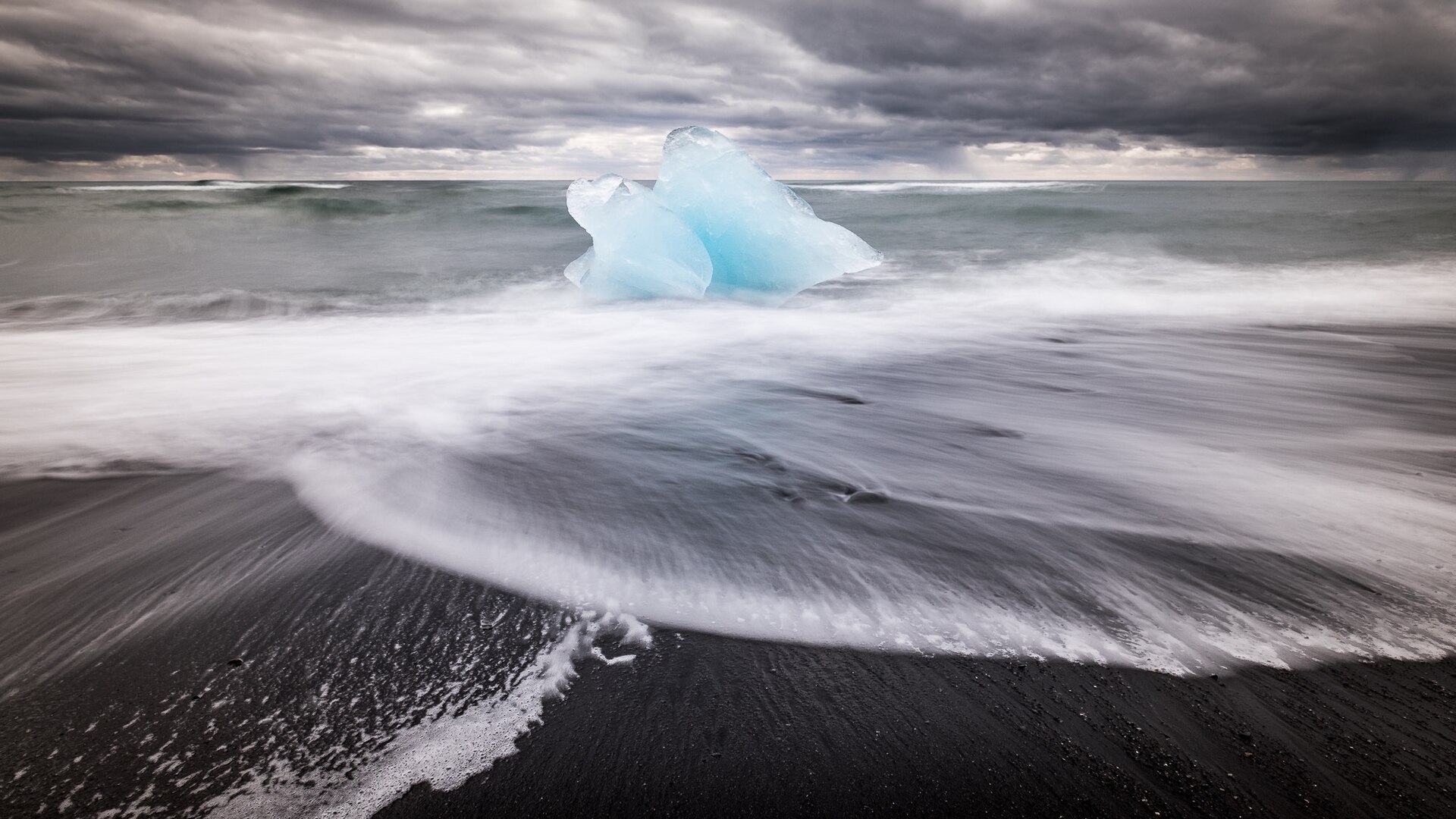
More technical hikes may need boots, gaiters or poles; choose those after checking the actual route. Do not treat an iconic waterfall path or black-sand beach as an ordinary urban walk. Follow local signs and SafeTravel guidance, especially around surf, cliffs, ice and changing weather.
Road-trip kit and safety
Keep offline maps, reservations, a charging cable and a power bank in the day bag. Outside towns, services and reception can be limited. A small snack and refillable bottle reduce unnecessary stops, while a simple car-safe bag keeps wet outer layers separate from documents and electronics.
Check road.is and SafeTravel Iceland before driving. Conditions can change because of wind, snow, flooding or closures. Pack clothing that lets you wait comfortably if a route changes, and keep essential medication, passport and a warm layer within reach rather than in a hard-to-access trunk.
If driving is not part of the itinerary, retain the same weather kit for buses, day tours and long outdoor waits. Iceland’s wind can make a short exposed walk feel much colder than a sheltered town forecast suggests.
Water, hot pools and outdoor activities
Pack swimwear and a quick-drying towel for geothermal pools, spas and accommodation with a hot tub. A waterproof pouch protects a phone and room key near water. Follow each pool’s hygiene and safety instructions, and do not assume every natural pool is safe or open.
For glacier, cave, horseback or boat activities, confirm what the operator supplies before carrying bulky equipment. Bring the base layers, waterproof shell and shoes the activity requires, but avoid buying specialist gear for an unconfirmed excursion.
Tech, health and documents
Carry prescription medicines in original packaging and keep copies of prescriptions where needed. A small first-aid and blister kit, lip balm and moisturiser can be useful in cold, windy conditions. Review current CDC health information and ask a clinician about personal requirements before departure.
Store your passport, insurance, reservations and emergency contacts in secure cloud storage and offline form. Check entry requirements for your nationality and any transit countries. A universal adapter may be useful, but confirm plug and voltage requirements for each device.
Protect cameras and phones with a dry pouch. Keep the power bank in carry-on baggage and follow current airline battery rules. A headlamp, spare batteries and a simple backup navigation method are worthwhile when daylight is short or plans change.
Final Iceland packing checklist
- [ ] Waterproof shell and rain trousers packed where they are easy to reach
- [ ] Warm base layer, fleece or wool mid-layer and spare socks ready
- [ ] Waterproof shoes with grip broken in before departure
- [ ] Hat, gloves, neck layer and sunglasses packed for the forecast
- [ ] Passport, insurance, reservations and offline copies checked
- [ ] Offline maps, charging cable and permitted power bank prepared
- [ ] Swimwear and quick-drying towel added for pools and spas
- [ ] Headlamp and visibility layer added for dark-season travel
- [ ] Road.is and SafeTravel conditions checked before driving days
- [ ] Prescription medicines, first aid and blister care packed
Which shoes are best for Iceland?
Waterproof walking or trail shoes with dependable grip work for many established sights. Technical hikes may need boots or other specialist footwear. Break in every pair, pack spare socks and check the actual route and weather before choosing more equipment.
Is a winter coat needed in Iceland in summer?
A heavy expedition coat is rarely necessary for ordinary summer routes, but a warm mid-layer and waterproof, windproof shell are important. Icelandic summer weather can be cold and wet, so keep gloves and a hat available for exposed stops.
What belongs on an Iceland road-trip packing list?
Carry layers, rain protection, offline maps, a power bank, water, snacks, medication and a warm spare layer. Check road.is and SafeTravel Iceland before driving, and keep essential documents and clothing accessible if the route changes.
Does an Iceland trip need swimwear?
Yes. Swimwear and a quick-drying towel are useful for pools, spas and accommodation hot tubs. Follow each facility’s rules and verify that any natural bathing site is officially open and safe before visiting.
How can travellers pack for Iceland’s changing weather?
Use a base layer, warm mid-layer and waterproof shell instead of one bulky outfit. Keep the shell, hat, gloves and spare socks in a day bag, check official forecasts for each region and protect dry clothing in a waterproof pouch.
Plan the next step
Use the international travel packing list for general documents and health planning, then compare regional route ideas in backpacking Europe routes. The best travel backpacks guide helps choose a carry system, while cheap countries to visit supports the wider itinerary decision.
Sources checked 2026-11-28: Visit Iceland, Icelandic Met Office, SafeTravel Iceland, Icelandic Road and Coastal Administration, CDC Iceland guidance, and TSA.