
Asia backpacking works best when you choose one region before you choose a long list of countries. For 10 days, stay within one country or a short two-city corridor. For 14 days, connect two nearby countries with a confirmed flight, train or ferry. With 21 days, add a second region only when the border and weather plan are clear. Japan and South Korea suit a structured rail-and-city trip; Thailand, Laos, Vietnam and Cambodia suit a slower mainland route; Singapore and Malaysia make a compact first Southeast Asia pairing.
A quick answer for planning an Asia backpacking trip
Choose a route that follows geography and transport rather than trying to collect countries. A 10-day trip can be Tokyo–Kyoto–Osaka, Bangkok–Chiang Mai, or Hanoi–Ninh Binh–Da Nang. A 14-day trip can combine Seoul and Japan, or Thailand and Cambodia. A 21-day route can connect Thailand, Laos and Vietnam, or Japan’s main cities with a slower regional detour. Check passport-specific entry rules, climate, internal travel time and the number of hotel changes before booking.
Choose an Asia region first
| Region | Good for | Example route | Main planning check |
|---|---|---|---|
| Japan | Rail, food, neighbourhoods and seasons | Tokyo, Kyoto, Osaka, Hiroshima | Rail reservations and peak periods |
| South Korea | Markets, history, design and mountains | Seoul, Gyeongju, Busan | Weather and domestic rail/flight timing |
| Mainland Southeast Asia | Longer overland routes and varied food | Bangkok, Chiang Mai, Luang Prabang, Hanoi | Borders, visas and long transfers |
| Vietnam | Food, coast, history and city-to-city travel | Hanoi, Ninh Binh, Hue, Hoi An, Da Nang | North–south distance and entry rules |
| Malaysia and Singapore | Compact city, food and transport pairing | Kuala Lumpur, Penang, Singapore | Heat, rain and airport connections |
| Indonesia | Islands, culture and nature | Yogyakarta, Bali, Lombok | Ferries, domestic flights and wet season |
The destinations hub helps compare country-level guides, while our cheap Asian countries guide adds a budget-focused comparison. Keep one region as the trip’s backbone, then add a short detour only when it improves the journey.
A 10-day Asia backpacking route
Ten days are enough for a focused first trip. In Japan, use Tokyo, Kyoto and Osaka with one optional Hiroshima day. In South Korea, split time between Seoul and Busan, with Gyeongju as a day or overnight stop. In Vietnam, combine Hanoi, Ninh Binh and either Hue or Hoi An rather than trying to travel from north to south.
For Thailand, Bangkok and Chiang Mai make a clear city-and-north route. Add an island only when the flight, ferry and weather plan are confirmed. Two or three nights in each base leaves enough time to understand a place and recover from travel days.
A 14-day Asia backpacking route
Fourteen days allow two countries when the border is simple. Bangkok–Siem Reap–Phnom Penh–Ho Chi Minh City creates a southbound mainland line. Singapore–Kuala Lumpur–Penang–Bangkok keeps the route connected by short flights and trains. Seoul–Tokyo–Kyoto–Osaka works when the international flight timing is favourable.
Keep the longest transfer in the middle of the trip and protect the last two nights near the departure airport. Use a half-day as a buffer after a border crossing, since immigration, luggage and local transport can take longer than the scheduled vehicle journey.
A 21-day Asia backpacking route
Three weeks make a slower regional route possible. One mainland plan runs Bangkok–Chiang Mai–Luang Prabang–Vang Vieng–Hanoi–Ninh Binh–Hoi An. Our Southeast Asia route guide explains how to sequence these countries and what to check before each border.
An East Asia plan can use Tokyo–Kyoto–Osaka–Hiroshima–Seoul–Busan, with a final flexible day. Add Taiwan only if the flights and weather work; our East Asia guide covers the Japan–Korea–Taiwan combination separately.
Backpacking Japan and South Korea
Japan rewards a city sequence because rail connects major destinations efficiently. Start with the cities that matter most, then add a day trip. The Japan National Tourism Organization has official planning material for regions, transport and seasonal travel. Confirm current attraction reservations and rail conditions with operators.
South Korea pairs dense city neighbourhoods with accessible historic and mountain areas. Seoul can fill four or five days, while Busan or Gyeongju adds a different pace. The Korea Tourism Organization is useful for current destination and event information. Check public holidays before fixing an itinerary.
Backpacking mainland Southeast Asia
Thailand, Laos, Vietnam and Cambodia can form a strong multi-country route, but transfer days need honest space. Buses, trains, flights and border crossings each create different arrival times. Compare the full journey and keep a rest night after a long connection.
Bangkok, Chiang Mai, Luang Prabang, Hanoi and Hoi An offer different city scales and food traditions. When a route includes islands or mountain areas, verify the season and the last transport connection before reserving the next base. Tourism sites are useful for planning; immigration offices and consulates are the sources for entry and visa requirements.
Backpacking Singapore and Malaysia
Singapore is a useful first or final base because the airport, metro and neighbourhoods connect smoothly. The Singapore Tourism Board provides current ideas for districts, food and attractions. Kuala Lumpur and Penang add a different food and cultural rhythm, and rail or short flights can connect the stops.
This route is compact, but heat and rain still affect walking plans. Choose accommodation near the transport line that supports the next move, and leave indoor alternatives for the hottest part of the day.
Check entry rules and border timing
Entry requirements depend on passport, purpose, length of stay and sometimes onward travel. Confirm each country’s current government or consular guidance before booking a non-refundable connection. Save approval emails, arrival forms and accommodation details offline.
Crossing from one country to another does not make every rule simpler. Some borders use different forms, transport operators or opening hours. Build a route with one clear border at a time, and avoid a same-day international connection immediately after a long overland journey.
Choose trains, buses or flights
Use trains for city pairs with frequent central stations, buses for short regional gaps and flights for large geographic jumps. Compare door-to-door time, baggage rules, station or airport transfers and the chance of a late arrival. A cheap-looking flight can consume most of a day once the complete journey is included.
Reserve limited-seat trains and high-demand ferries early when the operator requires it. Keep a backup route for weather-sensitive ferries and mountain roads. A small amount of flexibility is more useful than a packed spreadsheet.
Pack for changing climates
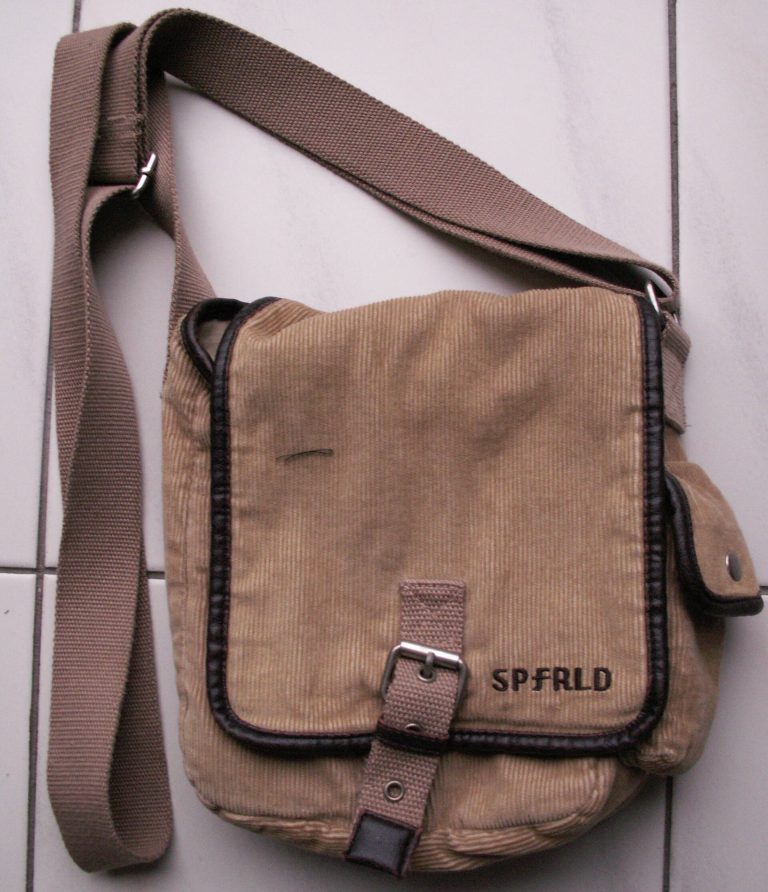
Choose a compact bag that can be carried up station stairs and stored on buses. Pack a breathable layer, a light rain shell, quick-drying clothes, comfortable walking shoes, a small first-aid kit and document copies. Keep electronics and medication in a day bag that stays with you during transfers.
Our backpacking Europe route guide applies the same route-planning method to a different continent; the packing decision itself belongs in the travel backpack guide.
Keep the route flexible
Reserve the first nights, a popular rail segment and any activity that sells out. Leave ordinary city transfers adjustable when possible. Keep one unscheduled day in each week for weather, illness, delayed transport or a place worth extending.
FAQ
How many countries can I visit while backpacking Asia?
Two or three countries fit a 14-day route when the borders and transport are simple. In 21 days, four can work with careful pacing. Plan around the number of long transfers rather than the number of flags on a map. Keep at least two nights for major bases and a buffer after border days.
Is Asia good for a first backpacking trip?
Yes, when the first route is focused. Japan, South Korea, Singapore, Malaysia and Thailand offer clear city transport and a wide range of accommodation and food. Start with one country or two neighbouring countries, then add more after checking passport-specific entry and travel conditions.
What is the best Asia backpacking route for three weeks?
Bangkok–Chiang Mai–Luang Prabang–Hanoi–Ninh Binh–Hoi An is a strong mainland framework. Tokyo–Kyoto–Osaka–Hiroshima–Seoul–Busan is a good East Asia alternative. Choose the route with the most reliable transport and weather for the dates of the trip.
Can I travel Asia by train?
Trains are excellent in Japan, South Korea, Taiwan, China and parts of Southeast Asia. International borders may require flights, ferries or separate tickets. Confirm the current timetable and reservation rules with the operator, then compare the full station-to-station trip with other options.
What should I check before backpacking Asia?
Check passport-specific entry rules, visa or arrival forms, seasonal weather, public holidays, internal transport and travel insurance. Save official guidance and booking confirmations offline. Review each border separately and keep a flexible day after a long transfer.
Last reviewed November 2026. Entry rules, transport schedules, opening times and weather patterns change; confirm details with official sources before travelling.