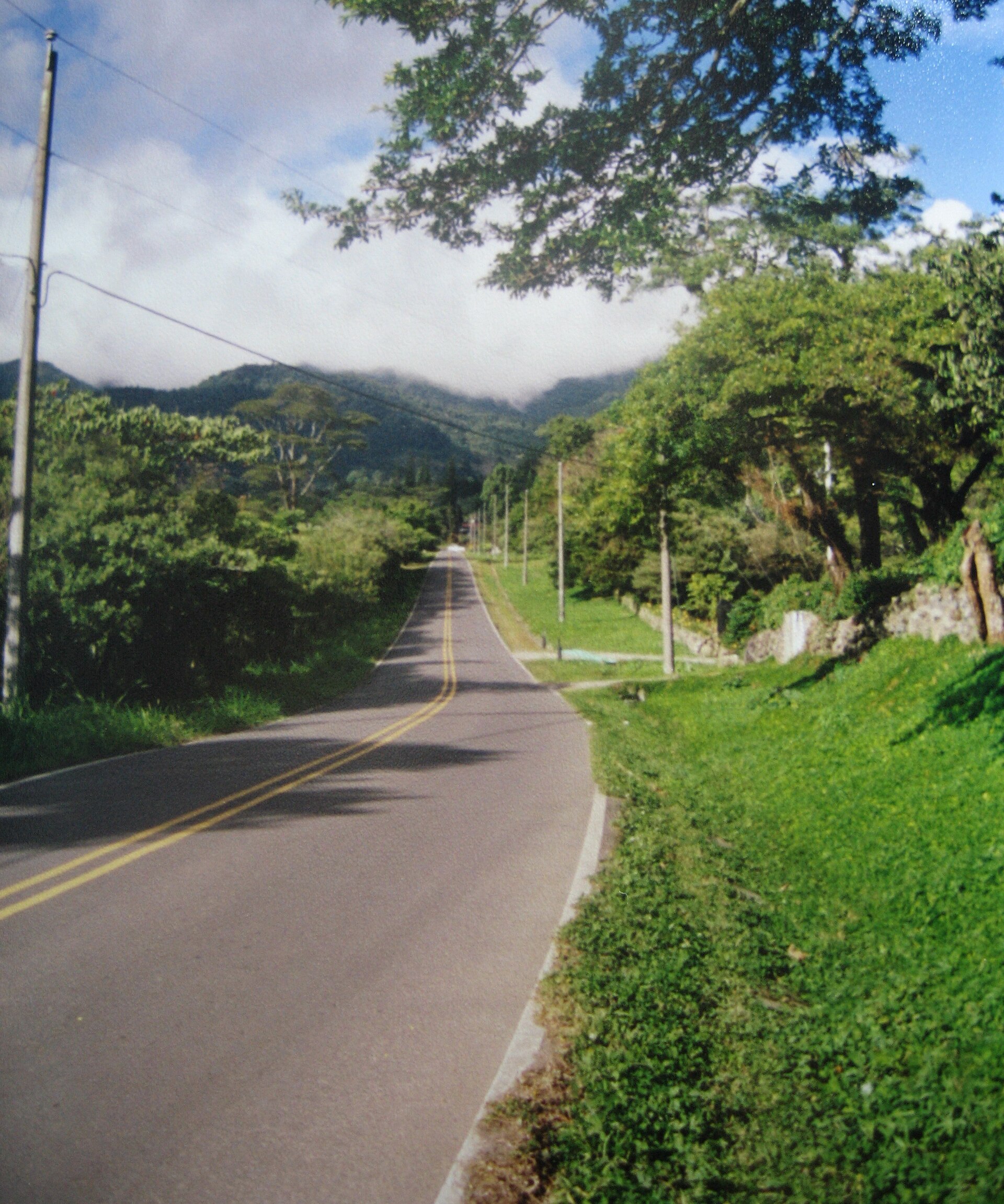

Boquete is a mountain valley in Panama’s Chiriquí province, roughly 40 kilometres north of David on the slopes of Volcán Barú. Travellers come for specialty coffee estates, cloud forest waterfalls, and highland trails in temperatures between 12°C and 30°C. Plan three days to cover Bajo Boquete, a coffee tour, and two hikes.
How Many Days to Spend in Boquete
Three days leaves room for a coffee farm visit, a cloud forest trail, and one full-day mountain outing. Plan longer hikes for early morning when skies are clearest, and keep afternoons for coffee tastings or Caldera Hot Springs.
| Trip length | Best for | Core itinerary | Base and transport |
|---|---|---|---|
| 2 days | Tight Panama itineraries | Morning coffee tour, Bajo Boquete walk, and Lost Waterfalls or Pipeline Trail | Bajo Boquete; local buses and taxis |
| 3 days | First-time visitors | Bajo Boquete and coffee tour, Lost Waterfalls plus Caldera Hot Springs, and Volcán Barú or Sendero Los Quetzales | Bajo Boquete; local buses plus one 4×4 or point-to-point transfer |
| 5 days | Hikers and birders | Core hikes, a second coffee cupping, rafting or Los Ladrillos climbing, and a recovery day | Bajo Boquete, Los Naranjos, or Jaramillo with a rental car |
Bajo Boquete, Los Naranjos and Jaramillo: Picking Your Base
The Caldera River runs through Boquete at roughly 1,200 metres above sea level. Staying in Bajo Boquete puts you on foot near buses and tour pickups, while Los Naranjos and Jaramillo sit outside town and require taxis or a rental car.
Bajo Boquete is the walkable district centre on the valley floor. Choose Bajo Boquete for car-free trips so you can walk to morning tour pickups, connect easily with buses from David, and board local transport toward valley trailheads without daily private transfers.
Los Naranjos sits outside the town centre in the surrounding highlands. Stay here if you prefer a quieter base and plan to use a rental car or pre-arranged taxis for trailheads and trips into town.
Jaramillo is another hillside area outside Bajo Boquete suited to independent drivers who want quiet surroundings. Compare Boquete with other low-cost bases on cheap places to travel.
Boquete Coffee Farms and Tastings
Volcanic soil, cool mountain air, and misty slopes suit high-altitude arabica coffee, led by the Geisha variety. Scheduling a coffee farm visit in the afternoon pairs smoothly with a morning hike and gives you shelter when mist or rain moves through the valley.
Request a structured cupping session to compare washed and natural lots side by side and taste how elevation shifts aroma and body. Ask what processing stages are active during your visit so you can pick a farm that matches your interest.
The coffee harvest runs roughly from December to April, when pickers work the slopes and wet mills process fresh cherries. Outside harvest months, tours focus on plant care, roasting, and tasting. Tour spend depends on format: joining a scheduled small-group tour from Bajo Boquete keeps costs lower, while private farm visits sit at the higher end.
Hiking Trails and Waterfalls Around Boquete
Trails around Boquete pair half-day waterfall walks with full-day ridge and cloud forest routes. Start early on every trail to make the most of morning visibility.
- Lost Waterfalls (Las Tres Cascadas): A popular mountain hike visiting three waterfalls. Plan it as a half-day outing and pair it with an afternoon coffee tour or soak.
- Pipeline Trail: A shorter cloud forest walk suited to a half-day outing, easy to combine with a Bajo Boquete afternoon or a coffee tasting.
- Sendero Los Quetzales: Stretching roughly 8 kilometres one way through Volcán Barú National Park cloud forest, this route connects Boquete with Cerro Punta. Arrange point-to-point transport or a shuttle for the full traverse, or hike out and back from the Boquete end.
For recovery after steep climbs, visit Caldera Hot Springs. Active trips also add white-water rafting on the Chiriquí Viejo or Caldera rivers, canopy zip-lining, or rock climbing at Los Ladrillos. Shared local buses keep transport spend low along valley roads, while taxis cut out road walks to remote trailheads.
Volcán Barú National Park and La Amistad Context
Volcán Barú National Park rises west of Boquete and protects Panama’s highest peak at 3,474 metres. Clear dry-season mornings at the summit reveal both the Pacific Ocean and the Caribbean Sea. From the Boquete side, the main route climbs a steep, rocky 4×4 track for roughly 12 to 13 kilometres each way, accessible on foot or by 4×4 tour.
Every visitor entering from Boquete must register with MiAmbiente (Panama’s Ministry of Environment) and check in at the La Camiseta ranger checkpoint. Confirm registration on MiAmbiente.
Adjacent to the highlands lies Parque Internacional La Amistad (PILA), a transboundary UNESCO World Heritage Site shared by Panama and Costa Rica. Inscribed in 1983 and extended into Panama in 1990, it spans more than 570,000 hectares of the Cordillera de Talamanca. Together, these parks harbour over 300 bird species. Compare Chiriquí with other lesser-known stops on underrated travel destinations.
Getting to Boquete via David
David, the capital of Chiriquí province, links domestic flights and intercity buses to the route into Boquete. The road climbs roughly 40 kilometres north from David to Bajo Boquete in 45 to 60 minutes.
- Fly from Panama City: Domestic flights connect Panama City’s Albrook airport with Enrique Malek International Airport (DAV) in roughly 45 minutes. Continue to Bajo Boquete by taxi, rental car, or local bus from central David.
- Bus from Panama City: Coaches run from Gran Terminal de Albrook to David Terminal in around six hours, where local buses and minibuses continue to Bajo Boquete.
- Overland links: Boquete links into western Panama overland routes, including onward travel toward Bocas del Toro.
Public buses from Albrook and David keep overland spend low, while flying into DAV with a transfer shortens travel time on brief trips. Pick up a rental car in David if you plan to stay in Los Naranjos or Jaramillo.
Entry rules for Panama depend on nationality and passport validity. As checked on 26 November 2026, tourists require a passport valid for at least three months on arrival, proof of onward or return travel, an accommodation address, proof of financial solvency, and a visa where required by nationality. Verify current rules on the Servicio Nacional de Migración and Visit Panama travel requirements pages.
Weather, Seasons and Trail Planning
Valley temperatures in Boquete stay between 12°C and 30°C (53°F to 86°F). Pack layers so you can adjust from cool early starts to warmer midday sun.
Dry season (roughly December to April) offers clearer morning skies and active coffee harvests. Booking accommodation ahead of time during dry-season months helps keep lodging spend predictable.
Rainy season (roughly May to November) brings green slopes, strong waterfalls, and quieter trails. Mornings frequently start clear before afternoon showers arrive, so finish hikes early and save coffee tastings or Caldera Hot Springs for the afternoon.
Even in dry months, bajareque, a fine wind-driven mist, crosses the valley. Start mountain outings early and carry waterproof layers every day.
Packing and Safety Checklist
- Sturdy hiking footwear: Choose boots or trail shoes with reliable grip for mountain tracks and steep inclines.
- Waterproof rain shell and quick-dry layers: Stay dry in passing bajareque mist while keeping layers breathable on steep climbs.
- Cold-weather kit for Volcán Barú: Pack a warm fleece, windproof jacket, hat, and gloves for high-altitude air near the 3,474-metre summit.
- Headlamp and spare batteries: Useful for pre-dawn starts on long mountain routes.
- Water and trail food: Carry enough hydration and snacks for the full round trip on mountain routes.
- Offline maps and small cash: Download valley maps ahead of time and carry small notes for local buses and taxis.
- Registration and route check-in: Confirm MiAmbiente registration before reaching La Camiseta, and share your route and expected return time with your accommodation.
Frequently Asked Questions
How many days do you need in Boquete?
Three days covers Bajo Boquete, a coffee farm tour, a waterfall trail, and one full park day for Volcán Barú or Sendero Los Quetzales. Add two days for birding, rafting, Los Ladrillos climbing, and a slower pace.
Do you need a car in Boquete?
Travellers based in Bajo Boquete get around on foot, local minibuses, taxis, and tour pickups. Rent a car in David when staying in Los Naranjos or Jaramillo, or planning early starts across scattered trailheads.
When is the best time to visit Boquete for coffee and hiking?
December through April pairs clearer morning skies and higher summit visibility with the coffee harvest. May through November brings fewer visitors, strong waterfalls, and clear mornings before afternoon rain.
Can you hike Volcán Barú from Boquete independently?
Registration with MiAmbiente and check-in at the La Camiseta ranger checkpoint are mandatory for all visitors entering from Boquete. Carry warm layers, waterproof gear, lighting, and enough water for the 12 to 13 kilometre climb each way, or join a 4×4 tour if you prefer riding to the summit.
How do you get from Panama City to Boquete?
Fly from Panama City’s Albrook airport to Enrique Malek International Airport (DAV) in David in roughly 45 minutes, or take a bus from Gran Terminal de Albrook to David Terminal in about six hours. Continue 40 kilometres up to Bajo Boquete by local bus, taxi, or rental car.
Next Step
Plan how Boquete fits alongside coastal beaches, Caribbean islands, or other mountain stops by exploring the full destinations index.
Boquete, Panama by Bateau ivre (Public domain, Wikimedia Commons)