
Lake Titicaca sits at about 3,810 m in the Andes between Peru and Bolivia. Base yourself in Puno to visit Uros, Taquile and Amantaní, or in Copacabana to visit Isla del Sol. Combining both shores works well on an overland route between the two countries once you have acclimatised to the high altitude.
Choosing your side: Peru, Bolivia or both
| Route option | Base town | Main stops | Pace | Best fit |
|---|---|---|---|---|
| Peru-only | Puno | Uros, Taquile, Amantaní, Titicaca National Reserve | Shorter single-base stay | Travellers staying within Peru |
| Bolivia-only | Copacabana | Isla del Sol and lakeside walks | Shorter single-base stay | Travellers continuing through Bolivia |
| Cross-border | Puno and Copacabana | Uros, Taquile or Amantaní, overland border crossing, Isla del Sol | Slower two-base stay | Independent overland travellers linking Peru and Bolivia |
Choose Puno if your trip stays inside Peru and you want access to the Titicaca National Reserve and community island visits. Choose Copacabana if your route stays inside Bolivia and centres on hiking Isla del Sol. Visit both towns when you are already travelling overland between Peru and Bolivia, since splitting the stay lets you see both shores at a steady pace.
Your choice of base also shapes daily spending. Keeping to one town reduces road transfers and border logistics, while shared local boats and day trips keep logistics simpler than private charters or multi-stop itineraries. Travellers weighing how South American overland legs fit into a wider budget can compare regional options in our guide to cheap places to travel.
Altitude and acclimatisation at 3,810 m
UNESCO places Lake Titicaca at about 3,810 m above sea level, shared by Peru and Bolivia. At this elevation, the air holds significantly less oxygen than at sea level, so routine tasks such as climbing stone steps or carrying a daypack feel harder than expected.
Build altitude gain gradually when your overland route allows it. If you arrive directly from a low-elevation city, keep your first day at the lake light: walk slowly on flat lakeside streets, eat smaller meals, drink water regularly, and save uphill island walks for the following day. Give yourself extra margin between boat rides and trail climbs so thin air never forces you to rush.
If you develop severe or worsening symptoms of altitude illness, such as a persistent headache, vomiting, confusion, loss of coordination, or breathlessness at rest, descend to a lower elevation promptly and seek medical care; consult a clinician before travelling if you have heart or lung conditions or want advice on preventive medication.
High-altitude weather shifts quickly across the water. Daytime sun feels intense under clear skies, temperatures drop sharply after sunset or under cloud cover, and wind across open water makes boat decks noticeably colder than sheltered town streets. Dress in removable layers every time you leave your base town.
Peru side: Puno, Uros, Taquile and Amantaní
Peru Travel identifies Lake Titicaca tourism in the Puno region, making Puno the main hub for organising island excursions on the Peruvian shore. SERNANP manages the Titicaca National Reserve, which protects lakeside wetland habitats and frames the setting for visits to Uros and nearby waters.
Uros
Uros sits within the Titicaca National Reserve context and is known for its floating reed islands maintained by the Uros community. Most visitors pair Uros with another island on the same boat trip, though shorter visits from Puno also run regularly. Before boarding, ask your operator how long the boat stops, which community island you will visit, and what is included in the excursion. Carry small Peruvian sol notes if you plan to buy handicrafts directly from local families.
Taquile
Taquile centres on community-run visits, wide lake views, and steep walking paths that climb from the landing area to the upper part of the island. Because you are walking uphill at high elevation, take frequent short pauses, carry drinking water, and wear shoes with reliable grip on stone paths. Plan for bright sun exposure on open terraces and bring a warm layer for the boat ride back across the water.
Amantaní
Amantaní suits travellers who want an unhurried overnight stay with a local host family and quiet evenings away from town traffic. Accommodation on the island is simpler than in Puno, so pack an overnight daypack with warm sleepwear, a headlamp, and basic toiletries, and leave your main luggage stored at your Puno hotel or guesthouse. Ask your host or operator in advance about meal times and walking routes on the island.
Planning your Peru island circuit
Confirm the exact island sequence, boat type, departure time, and meal or homestay details directly with your operator in Puno before paying. Shared group boats, faster launches, and overnight community stays each offer a different balance of time on the water and time on foot, so match the itinerary to your acclimatisation level.
Bolivia side: Copacabana and Isla del Sol
Copacabana is the main lakeside base on the Bolivian shore and the departure point for boats to Isla del Sol. Use the town to rest, adjust to the altitude, withdraw Bolivian bolivianos, and arrange your lake transport. Staying close to the main lakeside streets keeps boat departures, bus stops, and simple cafes within easy reach on foot.
Isla del Sol is the main reason independent travellers stop on the Bolivian side. Footpaths cross high, exposed ridgelines with broad views over the lake and the distant Andean peaks. Decide between a day return from Copacabana and an overnight stay on the island based on your energy and walking plans. Staying overnight gives you quieter trails in the early morning and late afternoon once day boats leave, while a day trip keeps packing simple if you prefer to sleep back in Copacabana.
Confirm boat departure times and current trail access locally in Copacabana the day before you go. Wind on the open lake and local community arrangements can affect which landings and footpaths are open on a given day. Travellers who enjoy slower, less crowded lakeside towns can pair Bolivia’s shore with other ideas in our underrated travel destinations guide.
Arrival, overland transport and border planning
Most independent travellers reach Puno by overland bus or regional connections from elsewhere in southern Peru, and reach Copacabana by road from La Paz or across the border from Puno. Daytime road travel is easier to manage than overnight arrivals, as arriving in daylight lets you locate your accommodation, buy water, and settle in before temperatures drop.
When crossing overland between Puno and Copacabana, plan a full travel day with generous buffer time. Queue lengths at immigration, local transport connections, and currency exchange all take longer than expected on busy days. Avoid booking a tight island boat departure on the same morning you cross the border.
Checked on 2026-11-27: Peru’s official visa and entry requirements page states that passports need at least six months of validity to enter Peru, and Canadian government Bolivia travel advice states the same six-month passport validity requirement for Bolivia. Entry rules, visa requirements, and land-border procedures vary by nationality and route, so check current guidance with official government sources before you travel.
Keep your passport, entry stamps, migration slips, and onward travel details in a secure, easily accessible pouch on border days. Exchange or withdraw a small amount of local currency before or right after crossing so you can pay for local buses, snacks, and luggage storage without relying on card machines.
High-altitude packing and pacing checklist
Pack for rapid swings between strong high-altitude sun and cold lakeside wind, and pace every day to match the elevation.
- Warm layers: Pack a breathable base layer, a warm fleece or insulated jacket, a windproof outer shell for open-water boats, and a warm hat and gloves for early mornings and evenings.
- Sun protection: Carry high-SPF sunscreen, SPF lip balm, UV-blocking sunglasses, and a sun hat for exposed island trails.
- Footwear and daypack: Wear broken-in walking shoes with good traction on uneven stone paths, and pack a reusable water bottle and a small headlamp for unlit island lanes.
- Overnight essentials: Bring a compact daypack for island homestays so you can leave heavier bags stored at your accommodation in Puno or Copacabana.
- Documents and cash: Carry your passport with at least six months of validity, travel insurance details, and small local bills for boats, meals, and community crafts.
- Pacing habits: Keep your arrival day flat and unhurried, hydrate steadily, eat lighter meals while adjusting, and pause regularly on uphill island steps.
Frequently asked questions
Should I visit Lake Titicaca from Peru or Bolivia?
Visit from Puno if your itinerary stays in Peru and you want to see Uros, Taquile, and Amantaní within the Puno region. Visit from Copacabana if you are travelling in Bolivia and want to hike Isla del Sol. Visit both when travelling overland between the two countries.
How high is Lake Titicaca and do I need to acclimatise?
UNESCO places Lake Titicaca at about 3,810 m above sea level. Acclimatising makes the trip far more comfortable: step up gradually overland where possible, keep your first day at lake level gentle, and schedule steeper island climbs after you have adjusted.
Can I visit both Puno and Copacabana on one trip?
Yes. Independent overland travellers regularly link Puno and Copacabana on a cross-border route between Peru and Bolivia. Allow a full daylight travel day for the border crossing and road transfer, and keep island boat excursions on separate days.
Do I need a passport with six months of validity for Peru and Bolivia?
Yes, according to official guidance checked on 2026-11-27, both Peru and Bolivia require passports with at least six months of validity. Because visa and land-border rules depend on your nationality and route, verify current requirements with official government sources before departure.
Should I book island trips as day tours or overnight stays?
Choose an overnight stay on Amantaní or Isla del Sol if you want slower walks, quieter evenings, and community-hosted accommodation. Choose day trips from Puno or Copacabana if you prefer hotel comforts each night and simpler luggage logistics.
Next step
Once you have chosen your Lake Titicaca base and pacing, map out the cities and regions before and after the Altiplano using our destinations index.
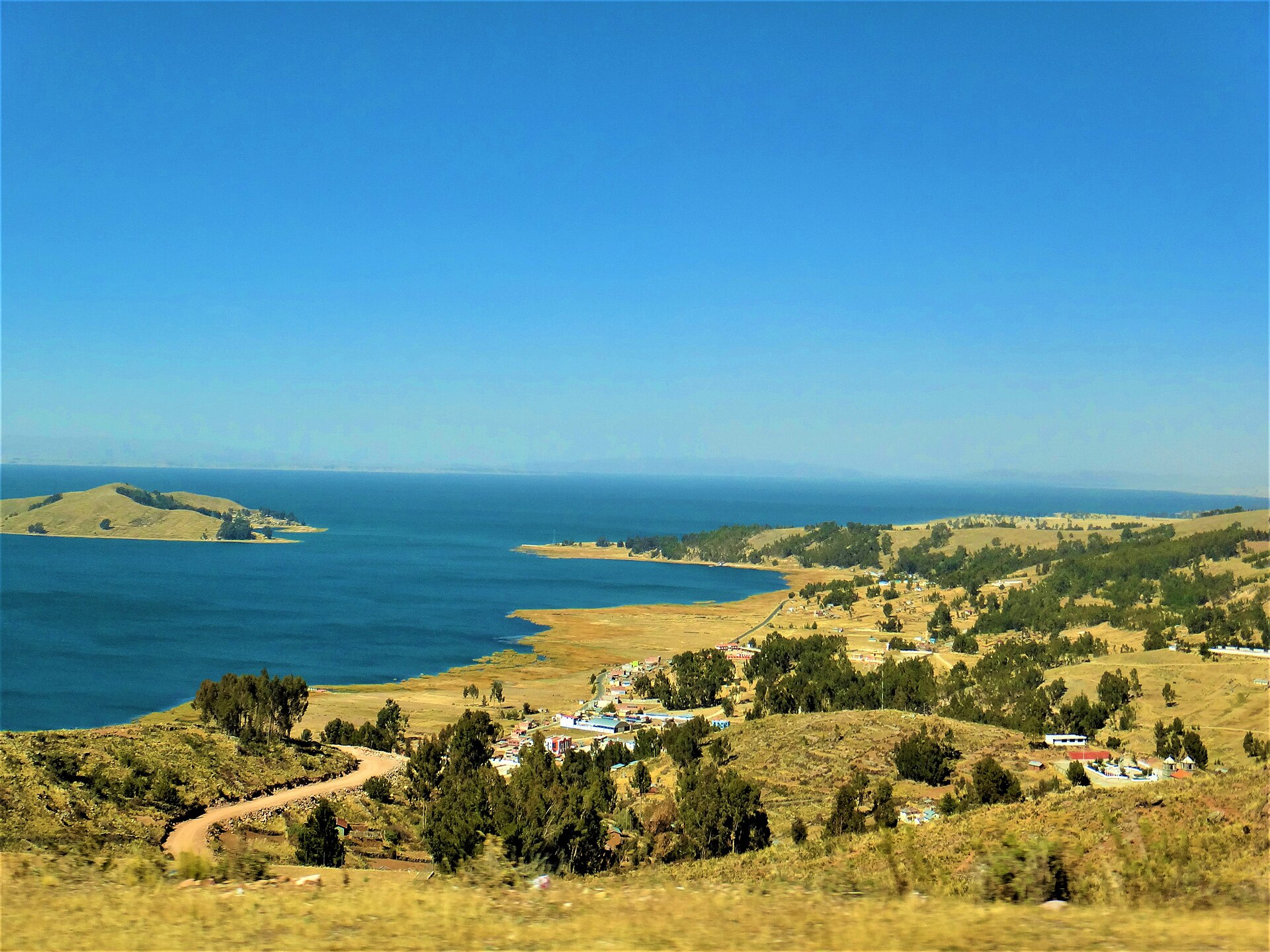
Featured photo: Lake Titicaca Bay, by Karenrek, CC BY-SA 4.0, via Wikimedia Commons.