
Colombia is easiest to plan as a regional trip: Bogotá and the coffee country for cities and mountain landscapes, Medellín for a long-stay urban base, or the Caribbean for Cartagena and protected coast. Choose two regions, check current entry and park guidance for your passport, and leave a full day for long transfers.
Quick region comparison
| Region | Best for | Practical route shape | Planning check |
|---|---|---|---|
| Bogotá and the central Andes | Museums, food, history and highland scenery | Three days in the capital plus a nearby cultural stop | Will altitude and cool evenings affect the first days? |
| Medellín and Antioquia | Urban life, climate and mountain day trips | City base with one or two guided excursions | Which valley or rural route has current access? |
| Coffee region | Small towns, farms and green mountain landscapes | Salento or another base with a flexible loop | How will roads and local transfers shape the day? |
| Caribbean coast | Colonial streets, beaches and coastal nature | Cartagena plus one additional coast or island base | Can you separate city heat from park or boat days? |
| Pacific or Amazon regions | Wildlife, specialist nature and community-led travel | Guide-led trip with extra logistics | What permits, weather and conservation rules apply? |
Colombia Travel is a useful official starting point for regional ideas. Migración Colombia and Colombian consular information are the sources for entry requirements. UNESCO and the national parks authority add heritage and conservation context. Distances are substantial, so a country-level plan works best when each transfer has its own day.
Bogotá and the central Andes
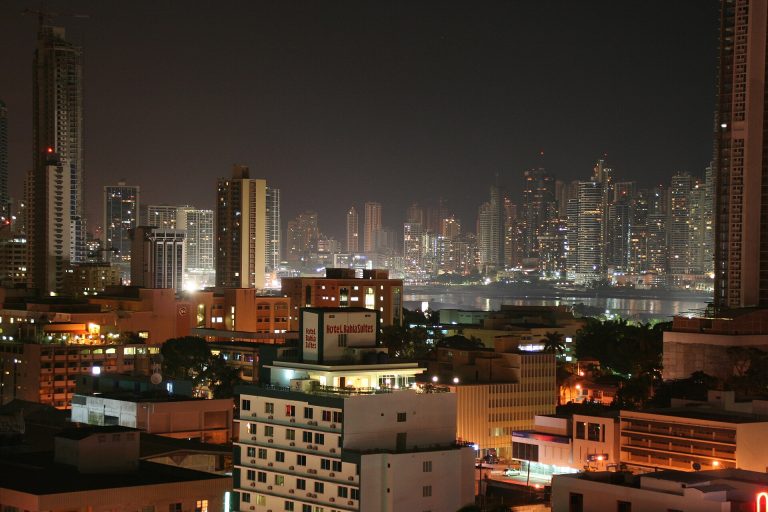
Bogotá works well as an arrival base for museums, markets, historic streets and highland food. Give the city time to settle into the altitude, then choose one day trip instead of stacking several distant stops. The historic centre and major museums can fill a day; a separate plan works better for viewpoints or nearby towns.
Weather changes quickly in the highlands. Carry a light waterproof layer, keep arrival plans flexible, and verify current opening hours for museums and attractions. Colombia’s official tourism portal can help with current destination information.
Medellín and Antioquia
Medellín suits travellers who want an urban base with a different climate and easy access to mountain towns. Use the city for neighbourhood walks, museums and food, then choose a guided day trip based on current roads and weather. An urban stay can also work for remote workers, while the Colombia digital nomad visa guide covers the separate immigration question.
Avoid treating the whole Antioquia region as a single day-trip zone. Check the exact meeting point and return time, especially when a route includes mountain roads.
Coffee country
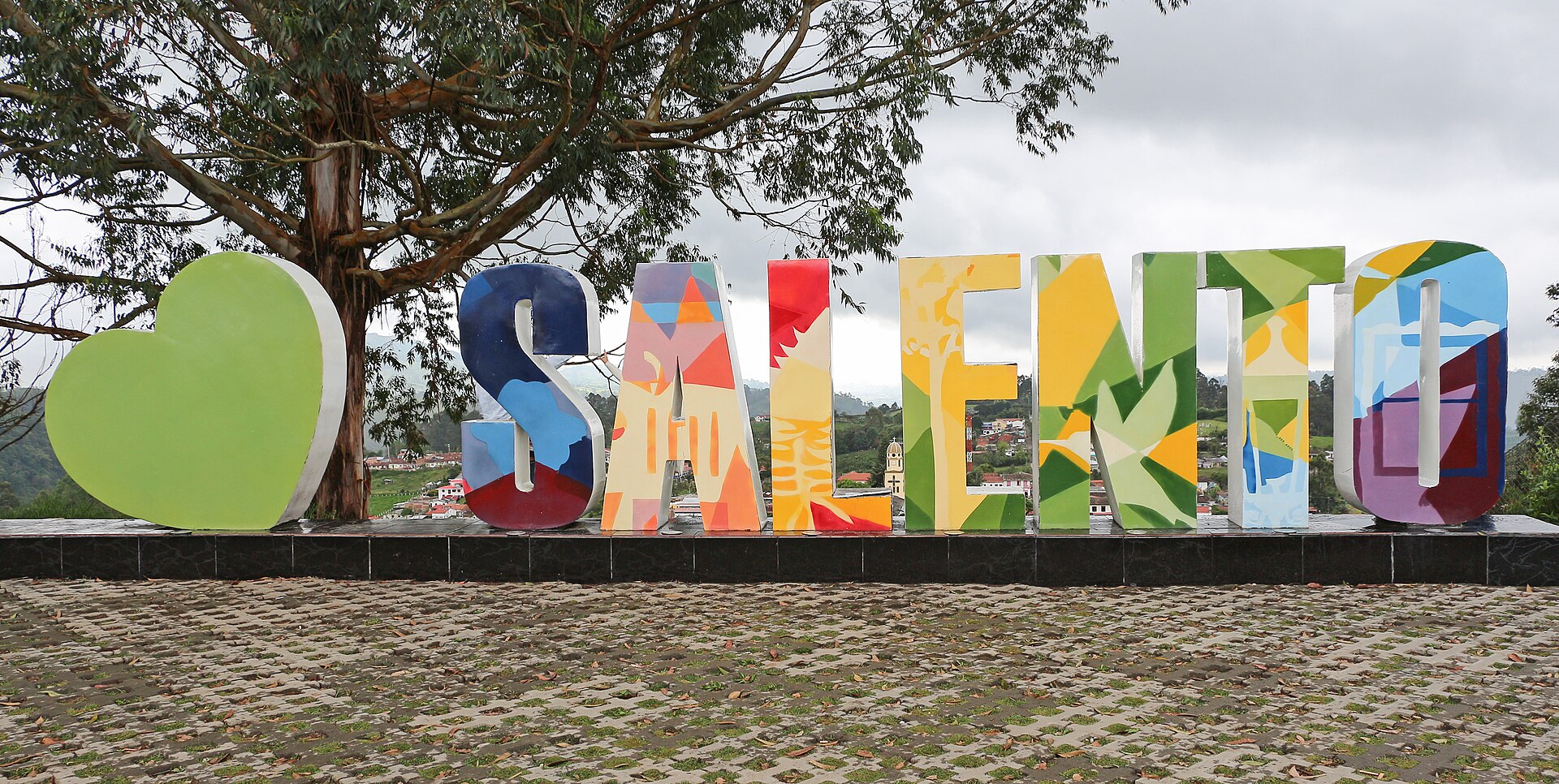
The coffee region is a strong choice for travellers who prefer small towns, farms, green hills and slower days. Salento is a familiar base, but nearby towns and rural stays offer different rhythms. Choose one base and add a farm visit or valley walk rather than moving every night.
Local roads can be slow even when the map distance looks short. Ask the accommodation about current transport, weather and trail access. Guided visits are useful when farms or protected landscapes have local rules.
Caribbean coast and Cartagena
The Caribbean combines colonial history, hot weather, beaches and boat-access nature. Cartagena works as a city base with a distinct historic-centre itinerary; the Cartagena guide covers that route in detail. Add a second coastal stop only after checking the transfer and sea conditions.
Heat changes the best daily rhythm. Plan outdoor walks early, leave the hottest period for museums or rest, and keep drinking water available. For islands and coastal parks, verify boat schedules and conservation guidance before departure.
Pacific, Amazon and specialist routes
Colombia’s Pacific and Amazon regions reward travellers who want wildlife and community-led experiences, but they require stronger logistics than a standard city itinerary. Use qualified local operators, confirm permits and follow park or community rules. Weather can affect boats, flights and trails, so keep a buffer before the international departure. The destinations hub keeps the country’s route guides together, while the best places in Asia comparison is useful when comparing Colombia with a different long-haul region.
How to plan a Colombia itinerary
1. Choose two connected regions
Good first-trip shapes include Bogotá plus the coffee region, Medellín plus Antioquia, or Bogotá plus the Caribbean. Add a third region only when the flight or road connection fits comfortably.
2. Plan for altitude and climate changes
Bogotá, Medellín, coffee towns and the Caribbean feel very different. Pack for the actual sequence and keep the first day lighter when arriving at altitude.
3. Check entry rules for the passport used
Migración Colombia and Colombian consular guidance provide the authoritative requirements. Confirm passport validity, permitted activities, onward travel and any health documentation before paying for fixed plans.
4. Treat long transfers as itinerary days
Domestic flights can connect distant regions, while buses work well on shorter corridors. Compare airport locations, luggage rules and road time before choosing the cheapest-looking connection.
5. Use current park and heritage notices
Protected areas and historic sites can change access, capacity or opening arrangements. Check the relevant authority close to departure and follow local instructions on trails, beaches and wildlife.
Food, safety and responsible travel
Regional food is a reason to slow down: highland dishes, Caribbean seafood and coffee-country produce give each area a distinct identity. Ask about ingredients when allergies matter and use local recommendations for smaller restaurants.
Check current government travel advice and follow local instructions. Arrange arrival transport when landing late, keep valuables out of sight and avoid assuming that one city’s conditions describe an entire region. In parks and coastal areas, keep distance from wildlife, avoid feeding animals and follow guide instructions.
Official sources to check before departure
- Colombia Travel for regional tourism information.
- Migración Colombia for entry and immigration checks.
- Colombian Ministry of Foreign Affairs for consular information.
- UNESCO Colombia for heritage context.
- National Natural Parks of Colombia for protected-area information.
Colombia travel guide FAQs
How many days are enough for Colombia?
Ten to fourteen days works for two connected regions, such as Bogotá and the coffee country or Medellín and the Caribbean. Longer trips can add the Pacific, Amazon or another coast with proper transfer buffers.
What are the best places to visit in Colombia?
Bogotá, Medellín, the coffee region and the Caribbean coast offer a strong first mix of cities, food, mountains, history and beaches. Choose two or three based on season, transport and the type of trip you want.
Is Colombia easy to travel around without a car?
Major cities and many intercity corridors work with flights, buses and guided transfers. A car can help in rural coffee or Pacific routes, but check road conditions and parking before choosing one.
Do travellers need a visa for Colombia?
Requirements depend on nationality, passport, purpose and length of stay. Check Migración Colombia and the Colombian consular guidance for the passport being used before booking the route.
When is the best time to visit Colombia?
The best period depends on altitude, coast, rainfall and the activities planned. Choose the regions first, then compare their current weather and park conditions instead of using one national season assumption.
The next step
Choose two Colombian regions, verify the official entry and park pages, and give every long transfer its own day. That structure leaves room for the country’s altitude changes, weather and regional culture.