
Malaysia is easiest to plan as a peninsula route or a Borneo route, with a separate decision about cities, islands, food, rainforest or diving. Kuala Lumpur, Penang and Malacca make a practical first circuit; Sabah and Sarawak need more flights and local logistics. Check entry rules, monsoon conditions and park access before booking.
Quick region comparison
| Region | Best for | Practical route shape | Planning check |
|---|---|---|---|
| Kuala Lumpur and the west coast | Food, city breaks, museums and transport connections | Two or three days as an arrival base | Which neighbourhood keeps the next transfer simple? |
| Penang and northern peninsula | Heritage streets, food and island time | George Town plus a slower coast or inland stop | How will heat and short local transfers shape the day? |
| Malacca and the south | History, riverside walks and a compact heritage stay | One or two nights between Kuala Lumpur and Singapore | What needs an early start or timed visit? |
| East Coast and islands | Beaches, marine life and a quieter pace | Dedicated island stay with weather flexibility | Which monsoon season affects the boat route? |
| Sabah and Sarawak | Rainforest, wildlife, mountains and culture | Specialist Borneo itinerary with internal flights | What permits, guides and park rules apply? |
Malaysia’s official tourism portal is useful for regional ideas. The Immigration Department and Malaysia’s government portal are the sources for entry requirements; the Malaysia digital nomad visa guide covers the separate long-stay question. UNESCO and the Department of Wildlife and National Parks add heritage and conservation context. Distances can look short on a map, so give every flight, ferry or mountain road its own planning space.
Kuala Lumpur: an easy first base
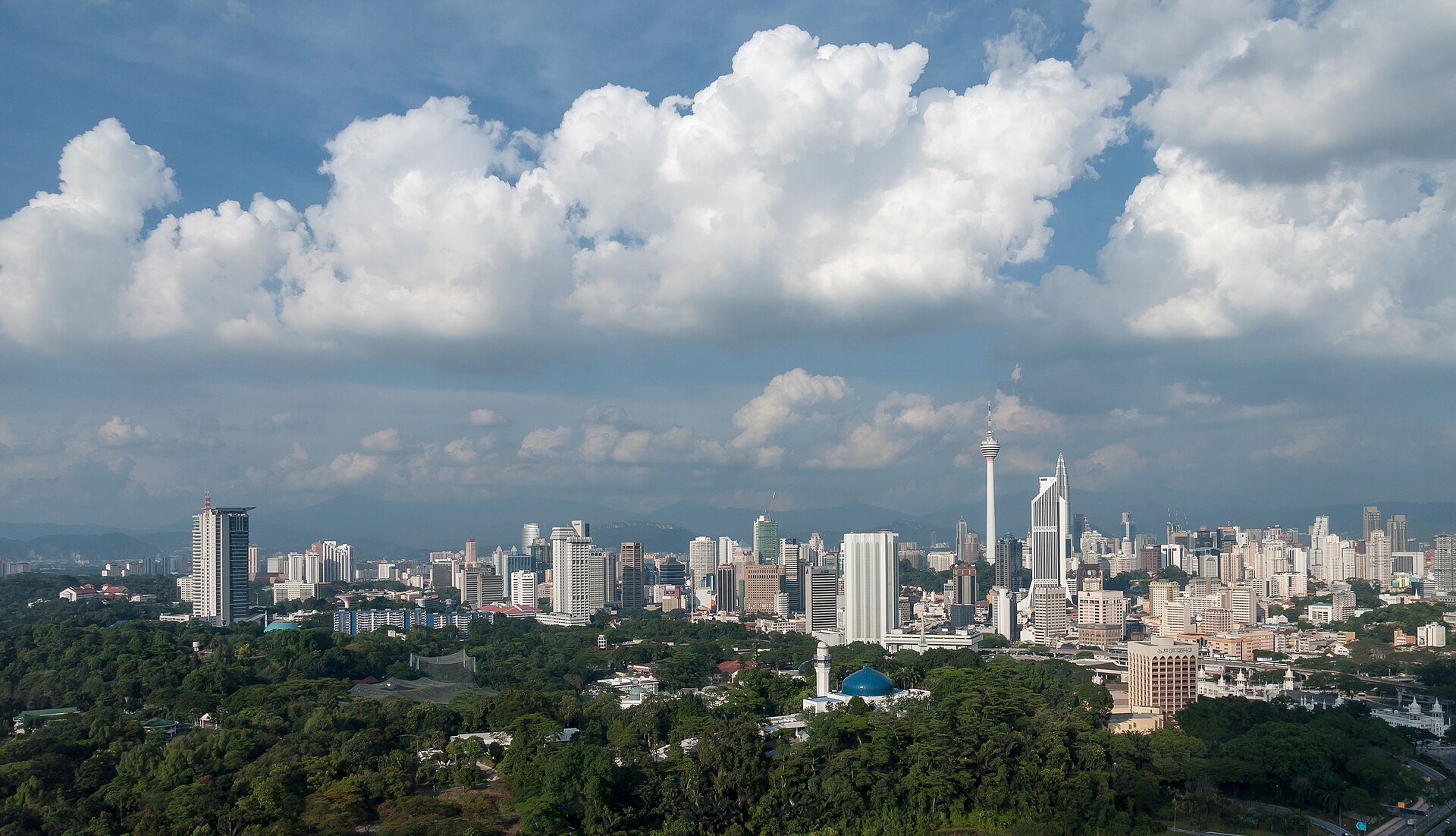
Kuala Lumpur works well for a first visit because it combines food, neighbourhoods, museums and transport connections. Use one day for the central city, another for a food or cultural route, and a separate plan for any day trip. The Petronas area and older districts offer different experiences, so choose based on the kind of city day you want.
Keep the arrival day light after a long flight. Heat and thunderstorms can change walking plans, while rail and ride-hailing make it easier to switch neighbourhoods without building the whole itinerary around one hotel.
Penang and the northern peninsula
Penang is a strong choice for travellers who want heritage streets, food and a slower island rhythm. George Town’s historic core is best explored with time for temples, markets and local meals. Add a coast or hill visit only after checking transport and weather.
The route pairs well with a broader overland itinerary. Leave room for traffic and choose one neighbourhood base rather than moving repeatedly. Respect religious sites and ask before photographing people or ceremonies.
Malacca and the southern route
Malacca makes a compact heritage stop between Kuala Lumpur and Singapore. The Malacca travel guide covers the historic centre, riverfront and food route in more detail. Use this country guide to decide whether Malacca belongs in a short peninsula loop or a longer southbound journey.
UNESCO heritage context is useful when planning the old town, but opening hours and access can change. Confirm current details locally and avoid treating a single evening as enough for every district.
East Coast islands and marine travel
Malaysia’s east coast is a dedicated beach and marine decision, with boat connections and monsoon patterns affecting the itinerary. Choose the island first, then check the operating season, sea conditions and transfer point. Keep the final island night away from a tight international departure.
Ask accommodation or operators about current boat schedules, luggage handling and weather cancellations. Marine activities should follow local wildlife and reef guidance.
Sabah and Sarawak: plan for Borneo logistics
Sabah and Sarawak reward travellers who want rainforest, wildlife, mountains and community-led experiences. They need more planning than a peninsula city route because internal flights, river transfers, permits and guide requirements can shape the whole schedule.
Choose one Borneo focus—wildlife, diving, mountain travel or cultural sites—before adding extra regions. Verify park access and local conservation rules with the relevant authority, and keep a buffer before the return flight.
How to plan a Malaysia itinerary
1. Pick peninsula or Borneo first
A short trip works best on the peninsula. Add Sabah or Sarawak when the itinerary has enough nights for flights, weather and specialist transfers.
2. Build a connected city loop
Kuala Lumpur, Penang and Malacca connect naturally by road or rail. Compare departure stations and arrival points before booking accommodation in a different district.
3. Verify entry requirements for the passport used
Malaysia’s Immigration Department and consular guidance provide the authoritative requirements. Confirm passport validity, arrival rules, permitted activities and any registration or onward-travel details before departure.
4. Match the coast to the monsoon calendar
Peninsula coasts face different seasonal conditions. Check the exact island, sea route and operating months instead of using a single national weather assumption.
5. Protect the last transfer
Put a flexible night before an international flight when the route involves boats, mountain roads or internal connections. A buffer is more useful than one extra sightseeing stop.
Food, culture and responsible travel
Malaysia’s food culture is one of the strongest reasons to slow down: Malay, Chinese, Indian and Indigenous traditions vary by region. Ask about ingredients when allergies matter and follow local etiquette at markets, temples and mosques.
Rainforest and marine areas need careful travel. Keep wildlife at a distance, avoid feeding animals, stay on marked trails and choose operators that explain permits and conservation practices. Carry a reusable bottle where safe water is available and reduce single-use plastic on island routes.
For a wider regional itinerary, the Southeast Asia travel guide helps with border and pacing choices. The destinations hub keeps Malaysia alongside the publication’s other country routes.
Official sources to check before departure
- Malaysia Travel for regional tourism information.
- Immigration Department of Malaysia for entry requirements.
- Malaysia government portal for public information.
- UNESCO Melaka and George Town for heritage context.
- Department of Wildlife and National Parks for protected-area information.
Malaysia travel guide FAQs
How many days are enough for Malaysia?
Seven to ten days works for a Kuala Lumpur, Penang and Malacca loop or for one focused Borneo route. Longer trips can add an island or second Borneo region with realistic transfer buffers.
What are the best places to visit in Malaysia?
Kuala Lumpur, Penang, Malacca, the east coast islands and Sabah or Sarawak cover different combinations of food, heritage, beaches, wildlife and rainforest. Choose by season and activity rather than trying to include every region.
Is Malaysia easy to travel around without a car?
Major cities and the west-coast corridor work with rail, buses and ride-hailing. A car or guide helps on rural, island and Borneo routes. Compare the exact connection before deciding which option keeps the itinerary simplest.
Do travellers need a visa for Malaysia?
Requirements depend on nationality, passport, purpose and length of stay. Check Malaysia’s Immigration Department and consular guidance for the passport being used before booking the route.
When is the best time to visit Malaysia?
The best period depends on the coast, island and Borneo activity. Check monsoon exposure, sea conditions, rainfall and park access for the exact region, then keep one flexible day for weather.
The next step
Choose a peninsula or Borneo route, verify the official entry and park pages, and protect every boat or flight connection with buffer time. That structure leaves room for Malaysia’s food, heritage, rainforest and marine travel.