
Georgia makes a strong first Caucasus trip because one itinerary can combine Tbilisi’s old streets, Kakheti’s wine culture, Black Sea towns and high mountain routes. Start with three days in Tbilisi, add Kakheti or a western city, then choose a mountain region only when the season and transport fit.
A first-trip route
| Route choice | Suggested time | Best for | Keep in mind |
|---|---|---|---|
| Tbilisi and nearby Mtskheta | 3–4 days | History, food, neighbourhood walks and a city base | Use the capital to settle into the trip |
| Kakheti | 2–3 days | Wine, villages and eastern landscapes | Plan tastings with a responsible driver |
| Svaneti or the Greater Caucasus | 3–5 days | Mountain villages, hiking and dramatic scenery | Weather and road conditions shape the route |
| Batumi and western Georgia | 2–4 days | Black Sea coast, food and a different climate | Pair it with a longer westbound itinerary |
The best route is the one with enough space between bases. Georgia rewards flexible days: a mountain transfer can take longer than expected, a wine-region visit works better without a rushed return, and weather changes quickly at altitude.
Tbilisi: begin with the capital
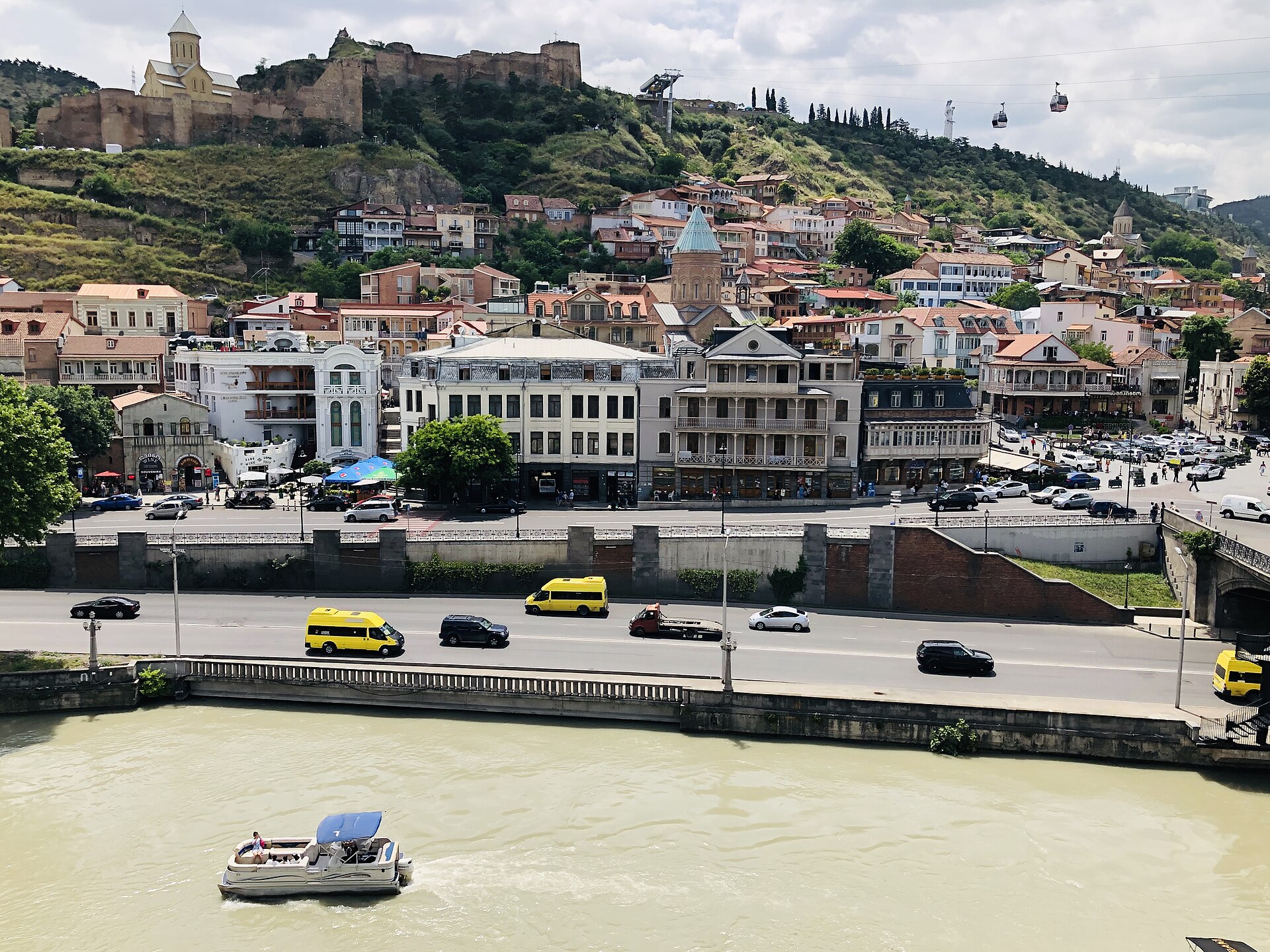
Georgia Travel describes Tbilisi as one of Europe’s oldest capitals and a cultural, political and economic centre. The city is easy to approach in layers. Begin with the old town, then cross the river for a different view of the hills and fortress. Add a museum, a market or a neighbourhood café instead of trying to cover every landmark in one walk.
The capital is a useful base for checking the rest of the trip. Confirm your next transport, weather and accommodation before leaving. If a mountain forecast turns poor, Tbilisi still supports a satisfying city day with food, history, baths and viewpoints.
For a short extension, Mtskheta fits naturally with a Tbilisi stay. Keep it as a separate outing so the city days remain relaxed. Use local visitor information for current access and opening details rather than relying on old schedules.
Kakheti and Georgia’s wine culture
Georgia Travel presents wine as a central part of the country’s culture, with qvevri winemaking inscribed on UNESCO’s intangible heritage list. Kakheti is the most obvious region for a first wine route, but the experience works best when the schedule leaves time for villages, food and landscapes between tastings.
Choose a base and arrange a driver or a small-group route before the day begins. Ask what the tasting includes, whether food is served, and how the return works. A slower day makes it easier to visit a cellar respectfully and avoid turning a rural region into a string of rushed stops.
Wine is one part of the region’s identity. Include a market, a family-run meal or a walk through a town, and check seasonal conditions before setting out. If wine is not the focus, eastern Georgia still works for history, landscapes and a gentler pace outside the capital.
Mountains, hiking and the right season
Georgia Travel highlights the country’s contrasting mountain regions, from the Greater Caucasus to southern ranges. The route you choose should follow your experience and the season. Svaneti gives a strong base for mountain villages and hikes; other valleys suit shorter walks or scenic drives.
Pack layers, waterproof protection and shoes with grip. Check current trail conditions and local advice, especially when snow, rain or road closures can affect access. A guide is sensible for routes beyond your experience, and a local operator can confirm whether a trail is open.
Tbilisi National Park is a lower-commitment nature option near the capital. Georgia Travel describes terrain ranging from plains to mountains, with routes for different abilities. It can work as a day outside the city when a remote mountain transfer would make the itinerary too tight.
Batumi and western Georgia
Batumi changes the rhythm of the trip with the Black Sea, subtropical scenery and a different food culture. Add it when you want a coastal contrast after the capital and eastern hills, or when your wider route continues west toward Kutaisi.
Keep west and east in separate blocks when possible. Crossing the country simply to collect one coastal afternoon adds pressure to the schedule. A longer trip can pair Batumi with Kutaisi and nearby nature; a shorter trip can focus on Tbilisi and Kakheti instead.
Entry and planning checks
Visa rules depend on nationality, passport and the purpose of travel. Use the Georgian Ministry of Foreign Affairs e-Visa portal or the Georgian mission serving your country to confirm the current route. The portal lists passport, purpose, accommodation, insurance and financial-evidence requirements for applicants where they apply.
Keep the official result saved with your travel documents. Recheck before departure because entry rules and border requirements can change. The final decision at a border belongs to Georgian authorities.
For transport, compare current flights, trains, coaches, marshrutka routes and private transfers shortly before each leg. Ask where a service departs, how luggage works and what happens if weather interrupts a mountain journey. Leave a buffer before an international flight.
A simple seven-day outline
| Day | Base | Focus |
|---|---|---|
| 1 | Tbilisi | Old town orientation and a relaxed first meal |
| 2 | Tbilisi | Museums, neighbourhoods and river viewpoints |
| 3 | Tbilisi | Mtskheta or a nearby nature day |
| 4 | Kakheti | Travel east, villages and a first cellar visit |
| 5 | Kakheti | Wine, food and a slower rural day |
| 6 | Return route | Buffer day or onward transfer |
| 7 | Tbilisi or west | Departure, or continue to a second region |
Add mountain days only when the route has enough time and the conditions are clear. For more destination ideas, browse the destinations hub and cheap places to travel. Hikers can compare the wider treks and adventure guide.
Georgia FAQ
How many days do you need for a first trip to Georgia?
Give Tbilisi three days, then add two or three days for Kakheti or another region. Mountain routes deserve extra time for weather, road conditions and slower transfers.
Is Georgia good for a first Caucasus trip?
Yes. Tbilisi provides a clear starting base, the wine region adds a distinct rural route, and the mountains offer a strong outdoor extension when conditions suit.
When is the best time to visit Georgia?
Choose the season around your route. City and wine-country trips have a broader window, while high mountain hiking depends more closely on snow, rain and trail access. Check current local conditions before booking a remote stay.
Do you need a visa to visit Georgia?
Visa requirements depend on nationality and purpose. Check the current Georgian e-Visa portal or the mission serving your country before departure, and prepare the documents that source lists for your case.
How should you plan a Georgia mountain trip?
Pick one mountain region, check the access road and trail conditions, carry layers and waterproof protection, and leave a weather buffer. Use a local guide when the route exceeds your experience.
Next step
Choose between a Tbilisi–Kakheti route and a mountain-focused itinerary, then verify entry and transport details with the official sources before booking.
Featured photo: Old Tbilisi town, Georgia, by GeoO, CC BY-SA 4.0, via Wikimedia Commons.