
Malacca, also called Melaka, suits a compact two-day city break built around its UNESCO-listed historic centre, riverfront, museums, food streets and layered trading history. Stay close to the old core, walk the main sights early, and leave one flexible block for a museum, market or neighbourhood meal.
A practical two-day route
| Day | Morning | Afternoon | Evening |
|---|---|---|---|
| 1 | Stadthuys, Red Square and the historic core | A Famosa area, museums and river walk | Jonker Street area and local food |
| 2 | Kampung-style streets and religious landmarks | Maritime or cultural museum choice | Slow riverfront walk or onward travel |
UNESCO describes Malacca and George Town as historic trading cities shaped by centuries of exchange between East and West. That history is easiest to understand on foot: the city centre brings together government buildings, churches, fortifications, shophouses, temples and living neighbourhoods. Treat the route as a set of connected areas, with time to absorb each museum.
Why Malacca’s historic centre matters
The UNESCO-listed property reflects Malay, Chinese, Indian and European influences that accumulated through Malacca’s role as a trading port. Stadthuys and the surrounding Red Square create an obvious starting point, while the river, old lanes and religious buildings show how the city remains lived-in rather than simply preserved for visitors.
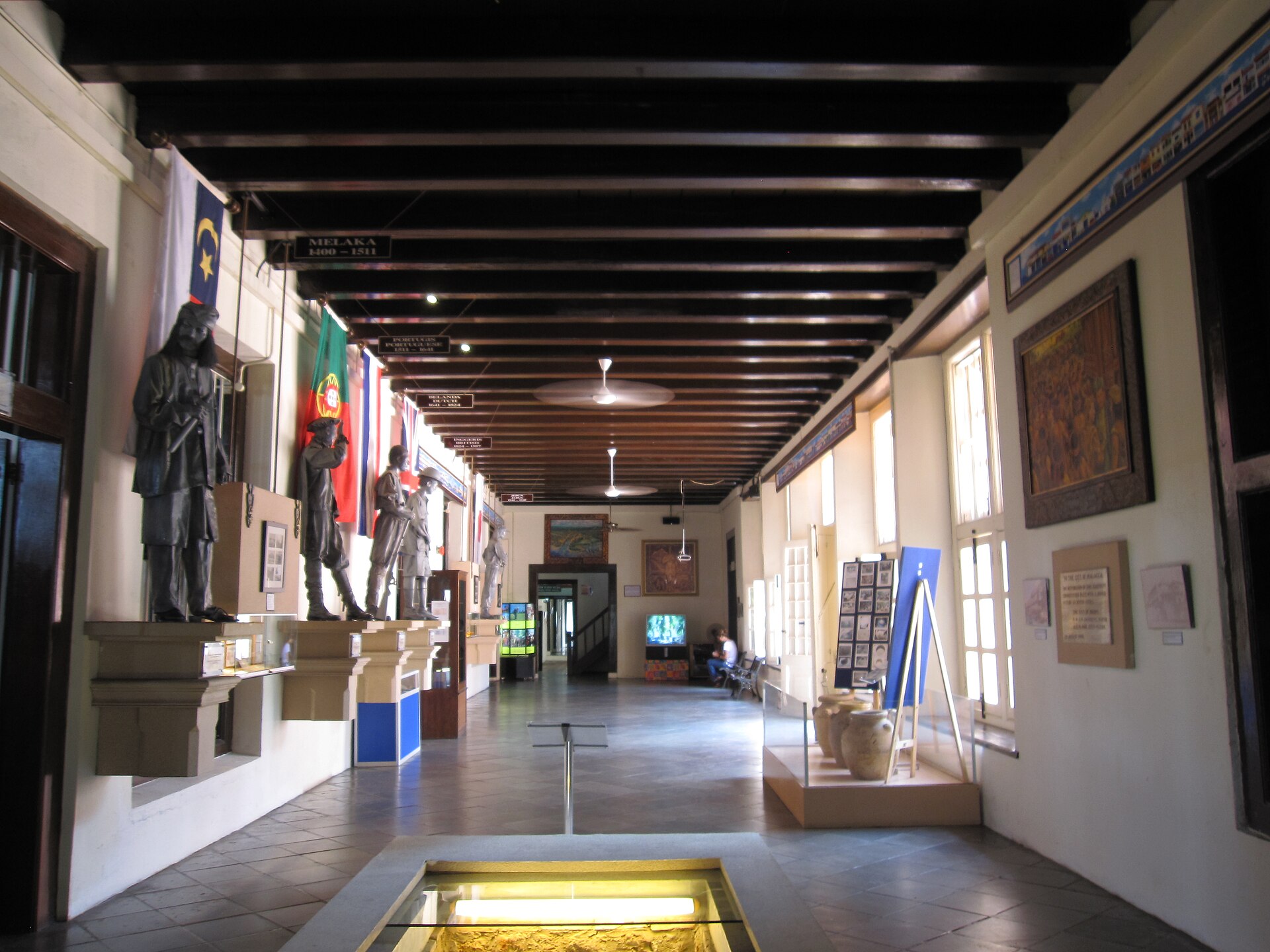
Begin early around the main square, when the light is softer and the streets are quieter. Continue toward the river and historic lanes, stopping at the museums that match your interests. History is easier to follow when you choose two or three strong stops rather than trying to read every display in one afternoon.
The city is compact enough for walking between many central sights, but heat and rain can change the pace. Carry water, use shade, and plan an indoor stop for the middle of the day. Check current opening details locally because museum schedules and temporary closures change.
Jonker Street, food and neighbourhood time
Jonker Street is the most recognisable food and shopping area in the old core, but a good Malacca visit also leaves room for side streets and smaller eateries. Use the main street as an orientation point, then choose meals based on what is busy with local diners and what fits your dietary needs.
Malaysian, Peranakan, Chinese, Indian and Portuguese influences appear across the city’s food culture. Order one or two regional dishes at a time rather than turning every meal into a long list. Ask whether a dish contains ingredients you avoid, and carry a translation note when needed.
Evening crowds can make the old core feel completely different from the same streets in the morning. If the weekend market is operating, expect a busier walk and allow extra time between stops. Keep valuables secure in crowded areas and make a clear meeting point if travelling with others.
The river and a slower afternoon
Malacca’s river is a useful thread through the old city. Walk beside it, cross between neighbourhoods, and use the water as a way to understand how the port developed. A river cruise may suit travellers who want a seated overview; check the current operator, departure point and weather before paying.
Pair the river with one museum or a quiet café. The most useful afternoon is often the one that leaves space to notice the city’s layers: restored façades beside family businesses, places of worship near food streets, and residential lanes away from the main visitor route.
How long to stay
One night is enough for the main historic core when Malacca is a stop between Kuala Lumpur and another destination. Two nights gives a better balance: one day for the UNESCO centre and one for food, river walks, museums or a slower neighbourhood loop.
Stay near the centre when walking is the priority. A base farther out may offer a quieter room or different transport access, but it adds rides to every historic sight. Compare the location, late-night transport and weather cover before choosing a hotel.
Getting there and entry checks
Malacca works well as a stop on a Peninsular Malaysia route. Compare current coaches, private transfers and other transport options shortly before travel, and confirm where each service arrives. Leave space for traffic and check the last connection if you are continuing the same day.
Malaysia’s entry rules depend on passport and purpose. The Malaysian Immigration Department says visitors need a recognised travel document and may need a visa, return ticket or evidence of sufficient means depending on their circumstances. Check the current official entry requirements and visa-by-country page for the passport you will use.
Keep the result saved with your travel documents. Requirements can change, and a visa is not an absolute guarantee of entry; the decision at the border belongs to the immigration officer.
A simple planning checklist
- Choose a base within walking distance of the historic core if the trip is short.
- Start the UNESCO centre early, then schedule a shaded or indoor afternoon.
- Pick two or three museums or heritage stops that match your interests.
- Use the river as a route between areas as well as a photo stop.
- Ask about ingredients and current opening times at food and museum stops.
- Check transport, weather and Malaysia entry requirements before departure.
For more destination ideas, browse the destinations hub and cheap places to travel.
Malacca FAQ
How many days do you need in Malacca?
One night covers the main historic core. Two nights gives time for the UNESCO centre, food streets, river walks, museums and a slower neighbourhood afternoon.
Is Malacca good for a weekend trip?
Yes. The old core is compact, the heritage sights connect well on foot, and a two-day route can combine history, food, river time and museums without crossing the whole region.
What is Malacca known for?
Malacca is known for its historic trading-port heritage, UNESCO-listed old city, layered Malay, Chinese, Indian and European influences, riverfront and distinctive food culture.
What should you check before visiting Malacca?
Check current museum hours, weather, transport arrival points and Malaysia’s entry requirements for your passport. Weekend crowds can change how long short walks and food stops take.
Can you explore Malacca without a car?
The central heritage area is well suited to walking, with ride-hailing or taxis useful for stops farther out. Choose accommodation and activities around the old core when time is limited.
Next step
Build a two-day route around the UNESCO historic core, then verify current museum, transport and entry details through the official sources before booking.
Featured photo: Stadthuys, Malacca, by Gryffindor, CC BY-SA 3.0, via Wikimedia Commons.