
Founded in 1524 on the northwestern shore of Lake Cocibolca, Granada pairs a walkable colonial centre around Parque Central with boat trips through Las Isletas and cloud-forest trails on Volcán Mombacho. Plan two to three days, base yourself near Parque Central, and schedule volcano hikes in the morning alongside lake and city time.
Exploring Granada’s Colonial Centre
Walk Granada’s main plazas, churches, and museums in a single day, starting early before midday heat builds. The Nicaraguan Tourism Institute (INTUR) promotes Granada as Nicaragua’s capital of tourism, and most heritage landmarks sit close enough to link on foot without local transport.
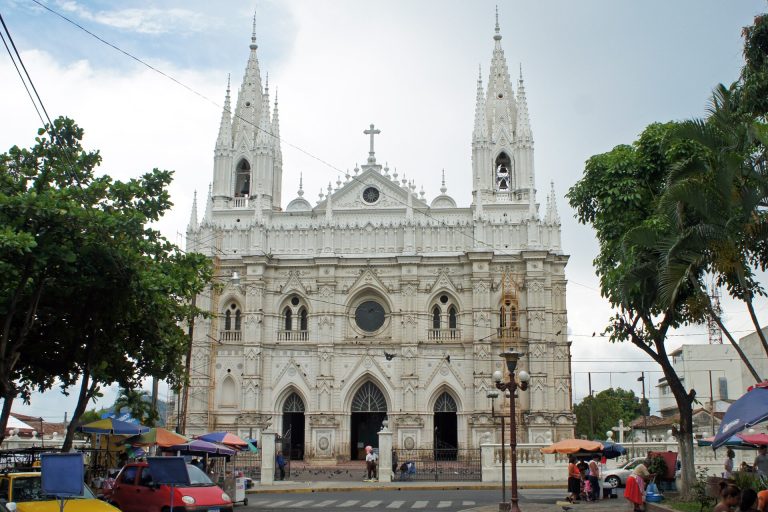
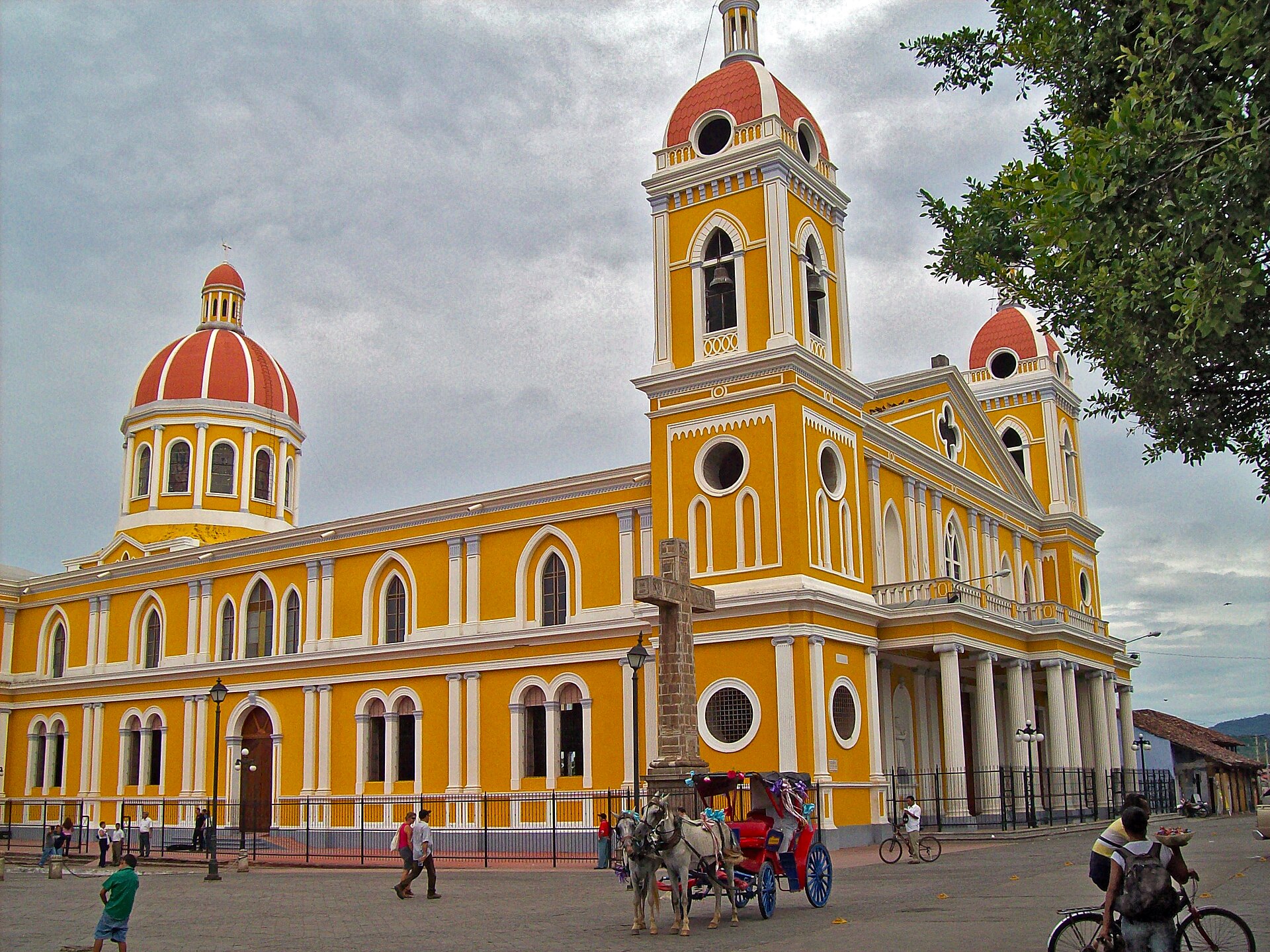
Begin at Parque Central (Parque Colón), the shaded central square beside Catedral de Granada. Steps away, Plaza de la Independencia and historic buildings such as Casa de los Leones form part of the heritage walking circuits highlighted by INTUR. From the cathedral corner, Calle La Calzada leads east past Iglesia de Guadalupe toward the lakeshore and the Granada Tourist Center.
Four historic stops sit within a short walk of the main square:
- Centro Cultural Museo Convento San Francisco: Founded in 1529, this former convent exhibits regional history, primitive art, and pre-Columbian stone statuary from Isla Zapatera.
- Iglesia La Merced: Climb the bell tower of this Baroque church for views over the city’s roofs, Lake Cocibolca, and Volcán Mombacho.
- Calle Real Xalteva and Fortaleza de la Pólvora: Walk west past Plaza de Xalteva to the eighteenth-century Fortaleza de la Pólvora, a historic colonial fortress.
- Mercado Municipal: Visit Granada’s municipal market, one of the visitor areas marked on INTUR’s city signage, during a morning walk through the centre.
Lake Cocibolca and Las Isletas
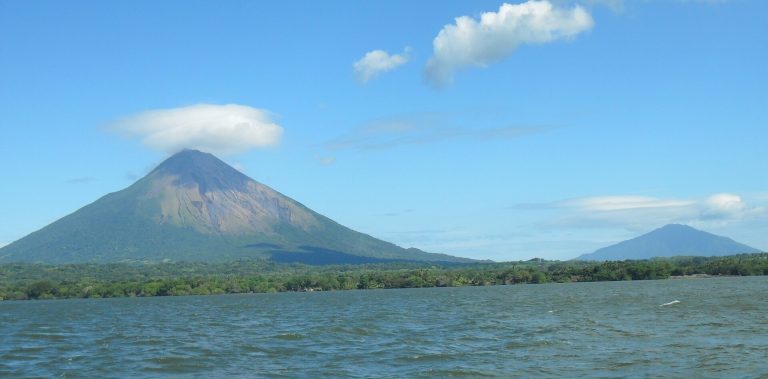
Granada lies on Lake Cocibolca (Lake Nicaragua), Central America’s largest lake. On its waters sits Las Isletas de Granada, an archipelago of roughly 365 small volcanic islands formed by a prehistoric eruption of Volcán Mombacho, popular for boat trips and birdwatching.
Two main options put you on the water:
- Motorboat tours: Boats depart from Puerto Asese, Puerto Cabaña Amarilla at the far end of the Granada Tourist Center, and adjacent lakeshore docks. Confirm the route and duration with the boat operator before boarding.
- Guided kayaking: Join a guided kayak outing through the island channels if you prefer paddling at a slower pace and watching for birds.
Volcán Mombacho and Nearby Viewpoints
Volcán Mombacho rises to about 1,344 metres in Granada department, with cloud forest near its summit. Travel to the reserve’s base control gate, then transfer onto the official 4×4 truck for a steep 15-to-20-minute climb to the upper biological station. INTUR highlights the reserve for hiking, birdwatching, canopy tours, and views over Lake Cocibolca and Granada.
Three trails loop out from the summit station:
- El Cráter: A 1.5-kilometre loop taking 1 to 1.5 hours past steam vents and El Túnel. Walk it independently or with a guide.
- El Tigrillo: A trail taking 2 to 2.5 hours through the reserve’s cloud forest. A certified reserve guide is required.
- El Puma: A demanding four-hour hike on the volcano’s upper trails. A certified reserve guide is required.
Start early in the day, and pack sturdy shoes plus a light rain jacket for summit mist.
Beyond Mombacho and the Iglesia La Merced bell tower, INTUR’s regional signage highlights Mirador El Boquete in the town of Diriá, along with Reserva Natural Laguna de Mecatepe and Balneario Aguas Agrias. Nearby, Mirador de Catarina overlooks Laguna de Apoyo. INTUR’s departmental routes also connect Granada with cultural and craft workshops in Diriá and Diriomo, as well as rural community tourism around Aguas Agrias.
How to Combine City, Lake, and Volcano Days
Granada works well as a two- or three-day base because the colonial centre, lake docks, and Mombacho gate sit close together. Pick two full days to cover the historic centre, a morning on Mombacho, and an Isletas boat loop. Pick three days for an easier pace and a half-day trip to Mirador El Boquete, Mirador de Catarina, or the southern reserves.
| Day | Morning | Afternoon | Pacing Tip |
|---|---|---|---|
| Day 1: Colonial Centre | Walk Parque Central, Catedral de Granada, Convento San Francisco, and Mercado Municipal. | Follow Calle Real Xalteva to Fortaleza de la Pólvora, then climb Iglesia La Merced bell tower before sunset. | Eat dinner on foot along Calle La Calzada. |
| Day 2: Volcano & Lake | Reach the Mombacho base gate early for the 4×4 ascent and El Cráter or El Tigrillo trail. | Rest during midday heat, then ride to Puerto Asese or Puerto Cabaña Amarilla for an afternoon Isletas boat loop. | Start early on the volcano before midday heat builds. |
| Day 3: Viewpoints & Reserves | Drive to Mirador El Boquete in Diriá and Mirador de Catarina above Laguna de Apoyo. | Visit Reserva Natural Laguna de Mecatepe, Balneario Aguas Agrias, or Granada’s Antigua Estación del Ferrocarril and the Granada Tourist Center. | Store bags at your guesthouse if departing that evening. |
Base yourself near Parque Central to keep the main plazas, churches, and museums within walking distance. Decide whether you want direct access to Calle La Calzada or a quieter side street nearby, and confirm luggage storage with your guesthouse if you plan a Day 3 excursion before an evening departure.
Transport, Seasons, and Practical Cost Levers
Augusto C. Sandino International Airport (MGA) sits roughly 43 kilometres northwest of Granada. A pre-arranged private transfer or airport taxi bypasses downtown Managua and reaches central Granada in 45 to 60 minutes. If you pack light and have extra time, take a taxi from the airport to Managua’s interlocal bus terminals and ride a microbus to Granada, allowing 1.5 to 2.5 hours door to door.
Inside Granada, walk throughout the historic centre and use local taxis for Puerto Asese, the Granada Tourist Center, the Mombacho gate, and trips to nearby viewpoints.
Nicaragua’s dry season runs from November to April, with daytime highs around 30°C to 34°C and cooling lake breezes in January and February. The green season runs from May to October, with September and October bringing the heaviest Pacific rainfall.
Five practical levers control what you spend in Granada:
- Base location: Choosing between properties directly on Calle La Calzada and guesthouses on nearby side streets shapes your lodging budget.
- Transport choice: Walking the historic centre and choosing between interlocal microbuses, shared shuttles, and private transfers controls your ground transport costs.
- Season: Travelling during the November-to-April dry season versus the May-to-October green season affects room availability and seasonal pricing.
- Activity format: Balancing self-guided time in the colonial centre or on El Cráter with guided trails (El Tigrillo and El Puma) and group versus private boat outings sets your excursion spending.
- Meal habits: Eating lunch at Mercado Municipal or neighbourhood comedores alongside sit-down dinners on Calle La Calzada keeps daily food spending flexible.
For wider ways to manage trip budgets, read our guide to cheap places to travel, browse our destinations directory, or compare Granada with other underrated travel destinations.
As of 27 November 2026, check current entry requirements with Nicaragua’s Dirección General de Migración y Extranjería (under the Ministerio del Interior) or your nearest Nicaraguan consulate, and verify museum, boat, and reserve operating hours locally before booking transport.
Frequently Asked Questions
How many days do you need in Granada, Nicaragua?
Plan two full days to walk the colonial centre, hike Volcán Mombacho, and tour Las Isletas by boat. Add a third day if you want to visit Laguna de Apoyo viewpoints, Diriá, or Reserva Natural Laguna de Mecatepe at a relaxed pace.
Can you visit Volcán Mombacho independently?
Yes. Take a taxi to the reserve’s base control gate and transfer onto the official 4×4 truck to the upper station. Walk the 1.5-kilometre El Cráter loop on your own; longer trails (El Tigrillo and El Puma) require a certified reserve guide.
How do you arrange a boat tour for Las Isletas?
Book a motorboat or guided kayak outing through your Granada guesthouse or directly at the lakeshore docks, and confirm the departure pier and route length before setting out.
When is the best time of year to visit Granada?
Visit between November and April for the dry season, with January and February bringing cooling lake breezes. Between May and October, plan around wet-season rain, with the heaviest Pacific rainfall in September and October.
How do you reach Granada from Managua Airport?
Book a private transfer or hire a taxi at Augusto C. Sandino International Airport for a direct 45-to-60-minute drive. If you pack light, take a taxi into Managua and connect via an interlocal microbus, which takes 1.5 to 2.5 hours.
Plan Your Next Step
Fit Granada into a country route with our Nicaragua travel guide to map out intercity connections and wider stops.
n