
The Maldives is easiest to plan by choosing the kind of island stay first: a resort island, a local island with guesthouses, a liveaboard, or a marine-focused route. Start with arrival logistics and the season for your atoll, then check immigration, boat or seaplane connections and reef rules before booking.
Quick route comparison
| Trip style | Best for | Practical route shape | Planning check |
|---|---|---|---|
| Resort island | A simple, self-contained beach stay | One island with pre-arranged airport transfer | How will the transfer connect to the international flight? |
| Local-island route | Community life, beaches and independent planning | One or two islands linked by scheduled or private boat | Are the ferry days and accommodation transfers confirmed? |
| Liveaboard | Diving, reefs and several atolls | Boat-based route with a fixed embarkation point | What certification, equipment and weather rules apply? |
| Marine-focused stay | Snorkelling, turtles and reef education | One atoll with guided water activities | Are operators following protected-area and wildlife guidance? |
| Malé plus a short island break | A brief first visit | Capital arrival, one local stop, then departure | Can the final boat transfer leave a safe buffer? |
Visit Maldives is the official tourism starting point. The Maldives Immigration Service provides entry information, while the tourism and environment ministries publish public guidance. The archipelago is spread across many atolls, so a short itinerary benefits from choosing one transfer pattern instead of trying to see several distant areas.
Malé and arrival planning
Malé is the main arrival gateway and a dense capital city rather than a typical beach base. A short stay can add markets, mosques, harbour views and local food, but most travellers move onward to another island. Keep arrival day flexible when a boat or seaplane connection depends on daylight or weather.
Confirm where the transfer departs, how luggage is handled and what happens if the international flight is delayed. A pre-arranged transfer is particularly useful when the island is far from the capital.
Resort islands: simple logistics, fixed setting
Resort islands make the Maldives straightforward: one property manages the accommodation, activities and airport transfer. This suits travellers who want a predictable beach stay and fewer moving parts. The trade-off is a narrower connection to everyday island life and a route that changes only when the next flight or boat is booked.
Check the transfer window before confirming the international flight. Some connections depend on daylight and sea or weather conditions. Ask the resort which activities are guided, what reef rules apply and what clothing is expected when visiting local communities.
Local islands: community-led travel
Local islands offer guesthouses, beaches and a closer look at everyday life. Routes can be more flexible, but ferry schedules, Friday service patterns and weather can affect the plan. Choose one island first, then add another only after confirming the connection and luggage arrangements.
Respect local customs around dress, photography and public spaces. Ask the guesthouse for current ferry times and use licensed boat operators for excursions. A slower local-island route often creates a better experience than a rushed chain of short stays.
Diving, snorkelling and liveaboards
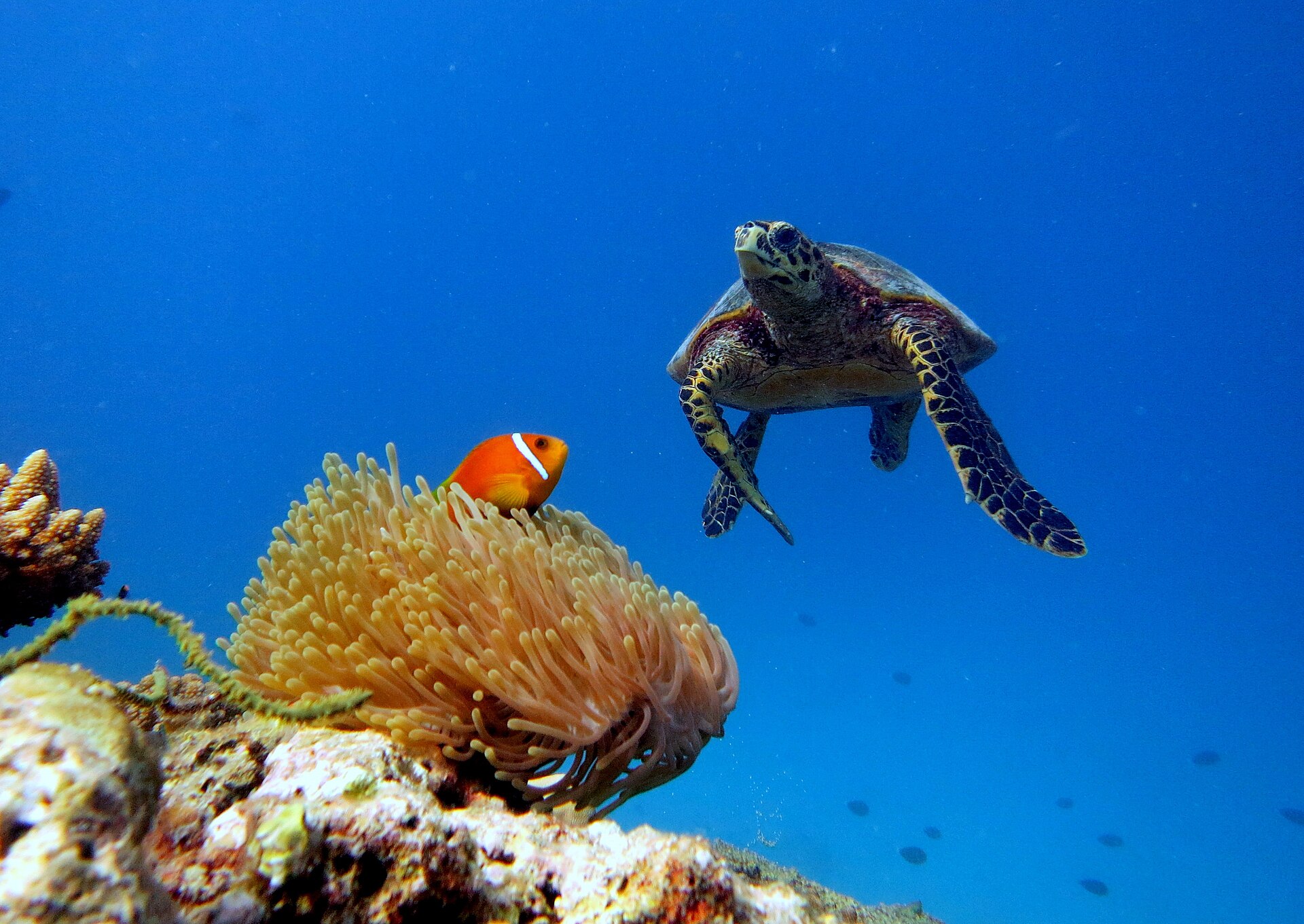
The Maldives is a major marine destination, with reefs, channels and protected areas that need careful planning. Liveaboards cover more water than a land-based stay, but embarkation times, certification, equipment and weather all matter. Choose operators that explain safety procedures, wildlife distances, waste handling and emergency plans.
Snorkelling and diving should follow guide instructions. Keep fins away from coral, avoid touching animals and leave shells and marine life in place. Check current environment ministry and local protected-area guidance before booking wildlife encounters.
How to plan a Maldives itinerary
1. Choose the island model
Decide between resort, local island, liveaboard or a combination. The choice changes the transfer, clothing, activity and booking questions for the rest of the trip.
2. Match the atoll to the season
Weather, sea conditions and visibility vary by atoll and month. Check the exact island or liveaboard route rather than applying one national forecast to every part of the archipelago.
3. Verify entry requirements for the passport used
The Maldives Immigration Service provides the authoritative entry information. Confirm passport validity, arrival declarations, onward travel and any health requirements before departure.
4. Protect the airport transfer
Keep a buffer between an island transfer and an international departure. Boats, seaplanes and domestic flights can move with weather and daylight, so a final night near the airport may simplify a tight itinerary.
5. Check activity and conservation standards
Ask operators about licences, equipment, wildlife distances and emergency procedures. Prefer guides who explain reef protection and local community benefits clearly.
Food, culture and responsible travel
Local Maldivian food includes fish, coconut, rice and spice blends, while resorts offer a wider international menu. On local islands, dress modestly in public areas and follow guidance around mosques and community spaces. Ask before photographing people or ceremonies.
The reef is the destination’s foundation. Use reef-conscious products where local guidance recommends them, avoid single-use plastic, never touch coral or animals, and follow waste and anchoring rules. Wildlife encounters are best with guides who keep a respectful distance and explain the environment.
For a broader island comparison, the best places in Asia guide places the Maldives alongside other routes. The cheap places guide helps compare trip styles, while the Malaysia guide offers a mainland-and-Borneo alternative. The destinations hub keeps the country guides together.
Official sources to check before departure
- Visit Maldives for tourism information.
- Maldives Immigration for entry requirements.
- Ministry of Tourism for tourism policy and notices.
- Ministry of Environment for marine and environmental guidance.
Maldives travel guide FAQs
How many days are enough for the Maldives?
Four to seven nights works for one island or a focused liveaboard route. Longer trips can combine a local island and resort, but each additional transfer needs a weather and connection buffer.
What are the best places to visit in the Maldives?
The best choice depends on whether the priority is a resort stay, local island life, diving, snorkelling or a liveaboard. Choose the atoll and island model first, then compare the exact transfer and season.
Is the Maldives easy to travel around without a car?
Cars are rarely relevant outside Malé. Travel between islands uses ferries, speedboats, domestic flights or seaplanes. Confirm schedules and luggage rules before building a multi-island route.
Do travellers need a visa for the Maldives?
Entry requirements depend on passport, purpose and arrival details. Check Maldives Immigration for current conditions, declarations and required evidence before booking the trip.
When is the best time to visit the Maldives?
The best period depends on the atoll, sea conditions and activity. Compare the exact island or liveaboard season, then keep flexibility for boats, seaplanes and marine visibility.
The next step
Choose the island model, verify the official entry and transfer pages, and leave a buffer around every boat or seaplane. That structure keeps a Maldives trip calm while protecting the reefs and the communities that host visitors.