
Mexico is easiest to plan as a region-led trip rather than one checklist of attractions. Start with Mexico City for museums and historic neighbourhoods, the Yucatán for cenotes and Maya sites, Oaxaca for food and coast, or Chiapas for highland towns. Then check current entry guidance, transport connections and seasonal weather before booking.
Quick route choices
Mexico rewards a clear geographic plan. Crossing the whole country in one short holiday creates long travel days, while a regional loop leaves room for neighbourhoods, markets and outdoor time.
| Trip style | Strong starting region | What the route gives you | Best planning question |
|---|---|---|---|
| First city-and-culture trip | Mexico City and Puebla | Museums, historic centres, food and day trips | Do you want a dense urban itinerary or a slower follow-on? |
| Yucatán loop | Mérida, Valladolid and the Riviera Maya | Maya heritage, cenotes, colonial streets and Caribbean coast | Will you drive, use buses or base in two towns? |
| Food and Pacific coast | Oaxaca City and the Oaxaca coast | Markets, craft traditions, mountain-to-sea transitions and beaches | How much time can you give the inland-to-coast transfer? |
| Highland and archaeology | San Cristóbal de las Casas and Palenque | Highland towns, Indigenous cultures and rainforest archaeology | Can you handle cooler nights and longer road segments? |
| Baja and the northwest | Baja California Sur or the Sea of Cortez | Desert landscapes, marine wildlife and road-trip flexibility | Are seasonal activities and vehicle logistics available? |
These are flexible planning frames. Mexico’s official tourism portal is a useful starting point for regional ideas, while the National Institute of Migration (INM) remains the place to check entry rules for your nationality and route. Heritage details should be checked against the National Institute of Anthropology and History (INAH).
Mexico City: the strongest first stop
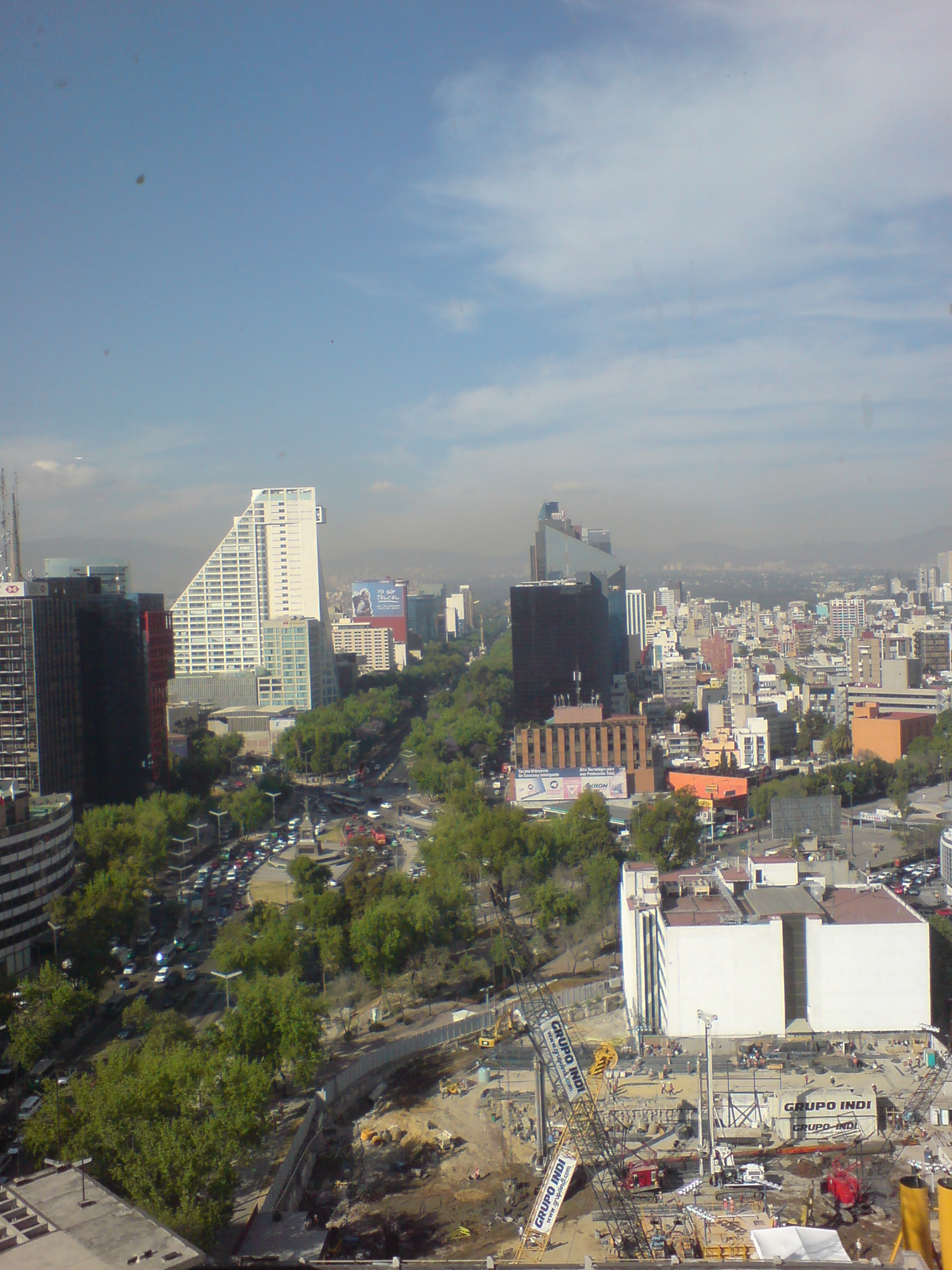
Mexico City works well when a trip needs museums, food and history in one base. Build a day around the historic centre, another around Chapultepec and its museums, and a separate half-day for a neighbourhood such as Coyoacán. A visit to Teotihuacan needs its own transport and heat plan, so avoid squeezing it between other major stops.
The city is high above sea level. Keep the first day flexible, carry water, and leave space between reservations. The dedicated Mexico City guide covers neighbourhood choices, museums and practical sequencing in more detail.
Yucatán: build a loop, not a list
The Yucatán peninsula combines colonial towns, archaeological sites, cenotes and Caribbean beaches. Mérida makes a useful cultural base; Valladolid is a practical stop for inland sites and swimming holes; the coast suits travellers who want reef, beach or island time. The route works by rental car or long-distance bus, but the best choice depends on how many small towns you want to include.
Plan one anchor activity per day. Archaeological sites are exposed, cenotes have their own access rules, and coastal weather can change quickly. For a quieter freshwater and lagoon-focused stop, use the Bacalar travel guide as a separate planning reference rather than treating it as a day trip from every Yucatán base.
Oaxaca: combine a city stay with the coast
Oaxaca City is a strong base for markets, museums, craft villages and food. The coast adds a different rhythm, with smaller beach towns and long transfers between inland and shoreline stops. Give the city enough time for a market morning and a Monte Albán visit, then decide whether the coast is worth the travel day for this trip.
The Oaxaca coast guide covers the beach region separately, including how to choose between a short coastal stay and a longer route. Check local transport and weather before relying on a tight same-day connection.
Chiapas: highlands, rainforest and long-distance planning
San Cristóbal de las Casas suits travellers who want a cooler highland base, regional crafts and day trips. Palenque changes the landscape completely: the archaeological zone sits in a hotter, more humid rainforest setting. These places can fit one journey, but the transfer deserves a dedicated travel day and a realistic luggage plan.
Read the San Cristóbal de las Casas guide for a focused town plan. If the itinerary continues toward Palenque, confirm current transport and site conditions through official channels before setting a fixed schedule.
How to build a Mexico itinerary
1. Choose one geographic spine
Pick a loop such as Mexico City–Puebla, Mérida–Valladolid–coast, Oaxaca City–coast, or Chiapas highlands–Palenque. Add a second region only after checking the transfer time and the number of nights available.
2. Match activities to the season
Mexico spans deserts, highlands, tropical coasts and rainforests, so weather varies by region. Use official tourism information for seasonal context, then check local park, heritage-site and transport updates close to departure.
3. Check entry documents directly
Entry conditions vary by nationality, passport validity, purpose and route. The INM portal and Mexican consular information are the right places to confirm current requirements. Carry copies of required documents and keep arrival details accessible offline.
4. Protect transfer days
Use a full day for long intercity moves. Bus networks are extensive, flights can save time between distant regions, and a rental car can help with smaller-town loops. Choose one transport pattern for each region instead of changing modes every day.
5. Keep heritage visits respectful and practical
INAH manages many archaeological and historic sites. Check opening hours, permitted equipment, weather restrictions and local guidance before visiting. Early starts help with heat and crowds, especially at exposed sites.
Food, safety and useful preparation
Regional food is one of the reasons to keep the itinerary geographically focused. Markets, family-run restaurants and specialist food tours vary by city, so use local recommendations and ask about ingredients when allergies matter. Carry a refillable bottle where safe water is available, and use sealed water when local guidance recommends it.
For safety, check current government travel advice, follow local instructions and avoid treating a whole state or city as one uniform risk profile. Arrange arrival transport in advance when landing late, share the route with someone you trust, and keep valuables out of sight on long transfers.
Official sources to check before departure
- Visit Mexico for regional tourism information.
- Mexico’s National Institute of Migration for entry and immigration updates.
- INAH for archaeological and heritage-site information.
- Mexico’s Secretariat of Tourism for federal tourism notices.
These pages can change. Recheck entry rules, site access and transport notices after choosing the route and again shortly before departure.
Mexico travel guide FAQs
How many days are enough for a first trip to Mexico?
Seven to ten days is enough for one regional loop with a city, a heritage stop and a slower final base. Longer trips can combine two regions, but the extra transfer time should be planned as part of the itinerary.
What are the best places to visit in Mexico for a first trip?
Mexico City, the Yucatán peninsula, Oaxaca and Chiapas are strong starting regions because they offer different combinations of culture, food, heritage and landscapes. Choose based on season and travel style rather than trying to include every famous destination.
Is Mexico easy to travel around without a car?
Many major routes work by long-distance bus and short domestic flight. A car is more useful for small-town loops and remote beaches. Check the exact route, departure times and arrival point before deciding that a car will save time.
Do travellers need a visa for Mexico?
Requirements depend on nationality, passport and purpose of travel. Check the Mexican immigration and consular guidance that applies to the passport being used; do not rely on a general travel blog summary for the final decision.
What is the best time to visit Mexico?
There is no single best month for every region. Dry-season preferences, hurricane exposure, highland temperatures and festival dates differ across the country. Choose the region first, then check its official seasonal and weather information.
The next step
Choose one route spine, open the relevant city or regional guide, and verify entry and heritage information from the official sources above. That approach keeps a Mexico trip flexible without turning it into a rushed checklist.