
The best hostels in Miami depend on whether you want South Beach nightlife, a quieter beach base, downtown transport or neighbourhood food and culture. Freehand Miami and similar social properties suit travellers who want shared spaces, while Downtown, Brickell, Little Havana and Coconut Grove offer different balances of walkability, transit and evening atmosphere. Compare the exact address and room rules before booking.
Miami hostel areas at a glance
| Area | What it feels like | Best fit | Hostel choice to compare |
|---|---|---|---|
| South Beach | Beach, Art Deco streets and late nights | First visits, social trips and beach days | Social hostel with clear quiet hours |
| Mid-Beach and North Beach | Wider beaches and a calmer resort rhythm | Longer beach stays and light sleepers | Hostel or shared lodging near a bus route |
| Downtown and Brickell | High-rises, museums, restaurants and transit | Car-free city trips and airport connections | Central property with secure storage |
| Little Havana | Calle Ocho, Cuban-American food and local culture | Food-focused and neighbourhood-led trips | Smaller hostel or guesthouse with a kitchen |
| Wynwood and the Design District | Murals, galleries, bars and creative venues | Arts weekends and evening plans | Social property with a practical return route |
| Coconut Grove and Coral Gables | Green streets, marinas and slower evenings | Repeat visitors and longer stays | Quieter property with transit access |
Start with official Miami accommodation guidance
The official Greater Miami and Miami Beach neighbourhood guide shows how different the city’s bases can be. South Beach is a beach-and-architecture destination, Little Havana has a distinct Cuban-American cultural identity, Wynwood is known for art and design, and Coconut Grove offers a greener, more residential feel. Use that context before comparing hostels by name.
The official Miami transport guide explains Metrorail, Metrobus, Metromover, trolleys, bikes and airport connections. Metromover is a free people mover around Downtown and Brickell, while buses connect Miami Beach with the mainland and other parts of Miami-Dade. A hostel that looks close on a map may still require a transfer or a rideshare after evening services finish.
The current Miami accommodation guide is another useful source for comparing areas and lodging formats. Facilities, availability, operating names and house rules change, so confirm every detail on the property’s own website before paying.
Choosing a Miami neighbourhood
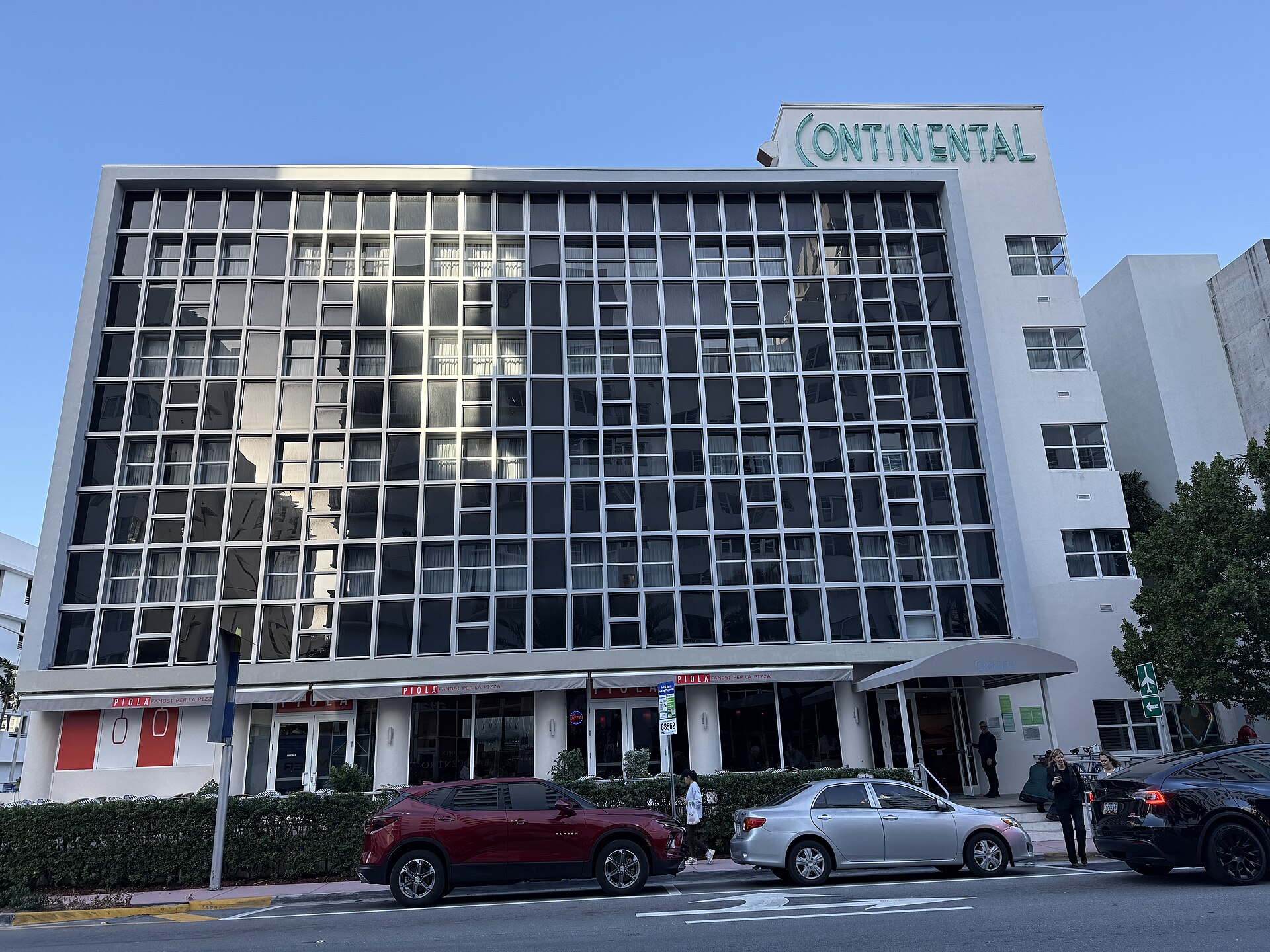
South Beach is the obvious choice for a first visit built around the ocean, Art Deco buildings, Ocean Drive and nightlife. It is easy to walk between the beach, Lincoln Road and nearby restaurants, but the same energy creates noise and late-night foot traffic. Read reviews for the exact street rather than assuming every part of South Beach feels the same. Choose a smaller dorm, private room or higher floor if sleep matters.
Mid-Beach and North Beach offer a less concentrated beach experience. North Beach can suit travellers who want a longer stay and a quieter evening, but check the bus route to South Beach and Downtown before booking. Mid-Beach has a more resort-oriented feel and can work when the beach is the main activity. A property near a frequent bus route is more useful than one that is only “near Miami Beach” in its description.
Downtown and Brickell are useful for travellers who want restaurants, museums, the Miami River and easy connections to the airport or mainland. Metromover links much of the central area without a separate fare, while Metrorail and Metrobus expand the route options. Brickell has a polished business-district feel; Downtown gives faster access to Government Center, Bayside and the waterfront. Check where the nearest station exit is and how the walk feels with luggage.
Little Havana works for travellers who plan their days around food, music and Calle Ocho. It is not a beach base, so count the transport time if you want daily ocean access. A smaller hostel or guesthouse with a kitchen can make this a strong choice for a slower, neighbourhood-led itinerary. Confirm the evening route back from South Beach or Wynwood rather than relying on a straight-line map.
Wynwood and the Design District fit art weekends, galleries, restaurants and nightlife. These areas are active after dark but spread across large blocks, so a hostel’s exact address matters. Ask about secure storage, street noise and late check-in. If you plan to return from the beach, check the last practical public-transport option before choosing a bed.
Coconut Grove and Coral Gables suit repeat visitors, longer stays and travellers who prefer greenery over nightlife. Coconut Grove has a marina and a walkable village centre, while Coral Gables has tree-lined streets and a separate local identity. These bases work best when your itinerary includes South Miami, the University area or slower days; they add travel time to South Beach and Downtown.
For a trip that continues through other regions, use the destinations guide to connect Miami with current country routes. Travellers comparing city costs can also use the cheap places to travel guide.
If Miami is one stop in a longer multi-country journey, use the backpacking Europe routes guide for the Europe section and keep the Miami hostel decision separate from that route planning.
Dorm and private-room checks
Miami hostels range from social beach properties to hybrid hostel-hotels. Before booking, check:
- Bed privacy and ventilation: Confirm whether the bunk has a curtain, reading light, power socket and airflow. A room without good ventilation can feel uncomfortable in humid weather.
- Lockers: Ask whether the locker fits a full backpack and whether you need a padlock. The best travel backpacks guide can help with pack size and carry-on choices.
- Bathrooms: Check whether the dorm is en suite or uses shared bathrooms by floor. Ask about accessible showers, grab rails and the route from the bed to the bathroom.
- Beach gear: Confirm whether towels, lockers, storage for wet clothing and beach equipment are included. Policies vary and change seasonally.
- Kitchen and laundry: A refrigerator shelf, microwave, washing machine and shaded common area matter on a longer stay. Check opening hours and whether the kitchen closes overnight.
- Age and room rules: Some hostels limit shared dorms by age or require private rooms for younger guests. Read the current policy for the exact room type.
- Reception and security: Confirm late arrival instructions, key-card access, overnight desk coverage and luggage storage after checkout.
When comparing a private room with a dorm, check what is actually private. A private room may still use a shared bathroom, have limited housekeeping or sit above a busy common area. The right choice depends on sleep, storage and social space rather than the label alone.
Getting around Miami without a car
Miami is spread across the mainland and barrier islands. The official Miami and Miami Beach transport information covers Metrorail, Metrobus, Metromover, free trolleys, bikes and airport connections. Metrorail links Miami International Airport with Downtown and Brickell, while the free Metromover serves central Downtown and Brickell. Metrobus connects Miami Beach with the mainland and reaches farther across Miami-Dade.
Plan three routes before arrival: airport to hostel, hostel to the beach or main attraction, and the late-evening route home. Save the street address and a nearby cross street because large complexes can have several entrances. Check whether a free trolley is local to one municipality rather than a citywide service, and confirm current schedules in the official app or transit site.
If you choose South Beach, allow for bridges, traffic and event congestion when visiting Downtown or Wynwood. If you choose Downtown or Brickell, allow for the time and fare of crossing to Miami Beach. The best hostel base is often the one that keeps most of the trip on one side of the water.
Booking checks and cost levers
Rates change with dates, room configuration, weekends, festivals, spring-break demand, weather and cancellation terms. South Beach usually carries the strongest beach-and-nightlife demand, while an inland or northern base may trade a longer journey for a different room rate. Compare the full booking screen for taxes, deposits, cleaning or resort-style charges, towels, lockers and cancellation deadlines.
Confirm the property’s address, minimum age, check-in window and ID requirements before paying. Save the confirmation and arrival instructions offline. Check whether a beach property stores bags after checkout, whether wet clothes can dry in the room, and whether air conditioning operates all night.
Use an official property website for current facilities and the tourism guides for neighbourhood context. A directory listing can remain online after a property changes its name, room mix or services.
Accessibility and quieter stays
Ask the property to confirm a step-free route from the street to reception, lift dimensions, room turning space, accessible bathroom features, bed height and emergency procedures. “Accessible” can refer only to an entrance, so request the exact room details in writing.
For quieter nights, choose North Beach, Coconut Grove, Coral Gables or a private room, then ask for a bed away from the bar, pool, lift and street-facing windows. South Beach can still work for light sleepers if the hostel has clear quiet hours and strong room separation. Check the route from the transit stop after dark and keep valuables secure in the provided locker.
Frequently Asked Questions
What are the best areas to stay in Miami for a first hostel trip?
South Beach suits a first visit built around the beach, Art Deco and nightlife. Downtown or Brickell work better for transport, museums and mainland connections. Little Havana, Wynwood and Coconut Grove fit food, art and neighbourhood-focused trips. Choose the area that keeps most planned days close together.
Are Miami hostels suitable for solo travellers?
Yes. Social common rooms and shared activities make meeting people easy, while smaller dorms and private rooms offer more control over sleep. Read the current age, security, quiet-hour and late-check-in rules before booking, and choose a location that matches your evenings.
Is South Beach or Downtown better for a Miami hostel?
South Beach is better for beach access and nightlife. Downtown is better for Metrorail, Metromover, museums and airport connections. If you plan equal time on the beach and mainland, compare the exact transport route and expected late-evening return before choosing.
How can travellers get around Miami from a hostel?
Use Metrorail, Metrobus, Metromover, local trolleys, bikes and rideshares according to the route. Metrorail connects the airport with Downtown and Brickell, while Metromover is free in central Miami. Check current schedules and the exact stop from the property address.
What should travellers check before booking a Miami hostel?
Confirm the exact address, beach or transit access, air conditioning, bed privacy, locker size, bathrooms, age rules, reception hours, luggage storage, accessibility and cancellation terms. Recheck the official property page because facilities, availability and house rules change.
For the next step, shortlist one beach base and one mainland base, then compare three current properties using the same room, transport, security and cancellation checks.