
The best places to visit in the United States depend on your season, trip length, and transport plan. First-time visitors without a rental car usually start in New York City, Washington, DC, or Chicago. Road-trippers get the highest return in Utah's national parks, the Grand Canyon, Yellowstone, and coastal California, while Hawaii and Alaska fit dedicated single-region trips.
Rather than ranking one destination above all others, this guide groups ten proven U.S. stops by trip style and transport reality so you can build a realistic itinerary.
Quick comparison of top U.S. destinations
| Destination | Best for | Useful season check | Official planning source |
|---|---|---|---|
| New York City | Transit-friendly first trips, museums, theater, neighborhood walks | April to June and September to November for mild walking weather | NYC Tourism + Conventions |
| Washington, DC | Free national museums, monuments, walkable civic districts | Spring and autumn; check cherry blossom bloom forecasts in March–April | Destination DC |
| Chicago | Architecture, lakefront trails, neighborhood food, summer festivals | May to October; winters bring sub-freezing winds off Lake Michigan | Choose Chicago |
| New Orleans | Live music, Creole and Cajun food, historic architecture | February to May and October to November; late summer brings hurricane risk | New Orleans & Company |
| California Coast | Highway 1 road trips, coastal state parks, wine valleys, beaches | May to October; verify Highway 1 road closures before driving | Visit California |
| Grand Canyon, AZ | Canyon rim viewpoints, desert hiking, stargazing | March to May and September to November; North Rim closes in winter | National Park Service (GRCA) |
| Yellowstone, WY/MT/ID | Geysers, hot springs, bison and elk viewing, alpine valleys | June to September for full road access; snow closes most roads into May | National Park Service (YELL) |
| Utah's National Parks | Red-rock canyons, sandstone arches, multi-park road loops | April to May and September to October; summer highs exceed 100°F (38°C) | Utah Office of Tourism |
| Hawaii | Volcanic landscapes, snorkeling, tropical hikes, island pacing | April to May and September to November for calmer shoulder-season rates | Go Hawaii |
| Alaska | Glaciers, fjords, Denali wildlife, summer midnight sun | June to August for open park roads, ferries, and wildlife cruises | Travel Alaska |
City breaks you can explore without a car
Major eastern and midwestern cities work well for 4-to-7-day trips because airports connect directly to downtown rail lines and walkable neighborhoods.
- New York City: Five boroughs linked by 24-hour subway service let you pair headline stops like Central Park and the Metropolitan Museum of Art with ferry rides to Brooklyn and Queens. Book timed entry tickets in advance for observation decks and the 9/11 Memorial Museum.
- Washington, DC: Most Smithsonian museums and memorials along the National Mall charge no admission, making DC straightforward to budget. Use the Metrorail system to connect Capitol Hill, Georgetown, and Adams Morgan, and reserve free timed passes for the National Museum of African American History and Culture and the Washington Monument via Recreation.gov.
- Chicago: The elevated "L" train links O'Hare and Midway airports directly to the Loop. Base yourself near the Chicago River to combine architecture boat tours, the Art Institute of Chicago, and the 18-mile Lakefront Trail.
- New Orleans: Compact historic neighborhoods make New Orleans easy to navigate on foot and via historic streetcars. Focus on the French Quarter, Frenchmen Street for live jazz and brass bands, and the Garden District, while checking NOAA tropical weather outlooks if traveling between June and November.
For broader budget comparisons across international regions, check our guide to cheap places to travel.
National parks and red-rock road trips
Western U.S. parks span vast distances with minimal public transit, so plan on renting a car and booking lodging or campsites months ahead.
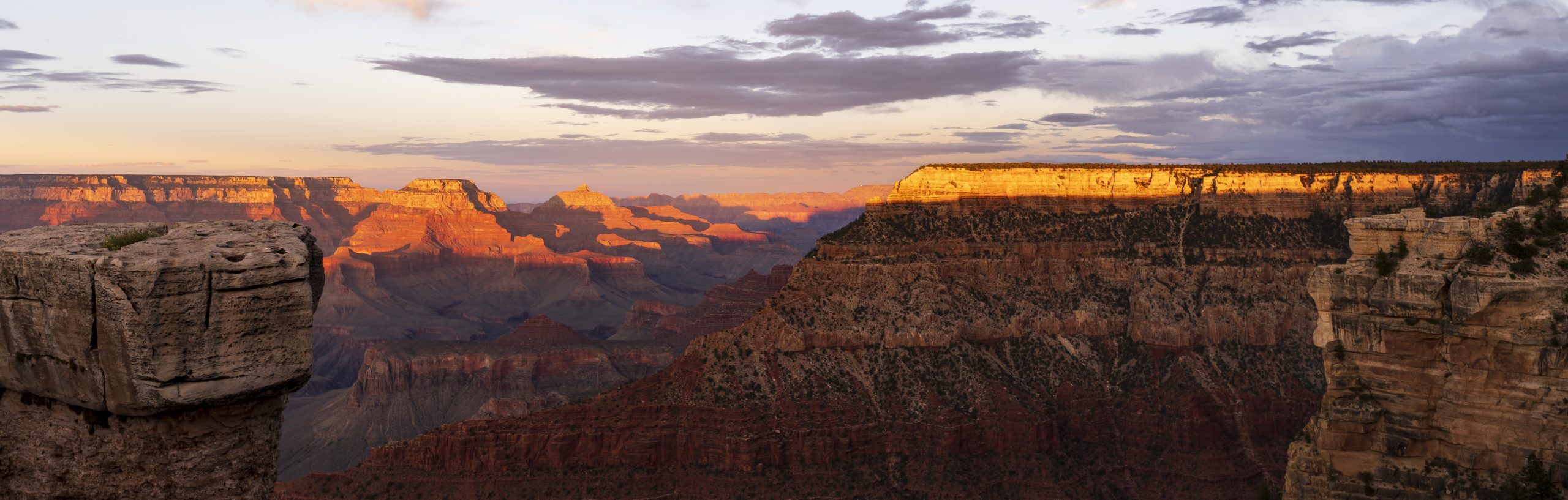
- Grand Canyon National Park (Arizona): The South Rim stays open year-round and delivers classic overlooks from Mather Point to Desert View. Check the National Park Service page for South Rim shuttle schedules and North Rim seasonal opening dates, which typically run from mid-May through mid-October.
- Yellowstone National Park (Wyoming, Montana, Idaho): Spanning 2.2 million acres, Yellowstone requires at least three full days to cover the Lower and Upper Loops, including Old Faithful, Grand Prismatic Spring, and Lamar Valley wildlife viewing. Driving speeds average 35 to 45 mph due to winding roads and bison crossings.
- Utah's Mighty 5 (Zion, Bryce Canyon, Capitol Reef, Arches, Canyonlands): Linked by scenic highways across southern Utah, these five parks sit within a 5-to-7-hour drive end to end. Arches National Park frequently uses timed-entry reservations during peak months, which you must secure on Recreation.gov.
Coastlines and islands
- California Coast: A drive between San Francisco and Los Angeles pairs Big Sur cliffs, Monterey Bay marine life, and Santa Barbara beaches. Always check California Department of Transportation (Caltrans) road conditions before finalizing your route, as winter landslides occasionally close sections of Highway 1.
- Hawaii: Each major island offers a distinct pace, Oahu combines Honolulu city dining with North Shore surf beaches, Maui centers on the Road to Hana and Haleakalā sunrise, Kauai prioritizes lush canyon trails, and the Island of Hawaii features active volcanic geology at Hawaiʻi Volcanoes National Park.
- Alaska: Distances in Alaska require deliberate routing. A classic 7-to-10-day summer loop combines Anchorage, glacier cruises in Seward or Whittier, and wildlife transit buses into Denali National Park.
Practical route combinations for 7 to 14 days
Because the continental United States spans four time zones, limiting your trip to one or two adjacent regions prevents losing days in airports.
- Northeast Rail Corridor (7–10 days): Fly into New York City (4 days), take Amtrak northeast to Boston (2–3 days) or southwest to Philadelphia and Washington, DC (3–4 days). Zero car rental needed.
- Southwest Red-Rock Loop (10–14 days): Fly into Las Vegas, drive to Zion and Bryce Canyon in Utah, continue east to Page, Arizona (Antelope Canyon and Horseshoe Bend), and finish at the Grand Canyon South Rim before looping back.
- California City-to-Coast (10 days): Start with 3 days in San Francisco without a car, pick up a rental car for a 4-day coastal drive through Monterey, Big Sur, and Santa Barbara, and finish with 3 days in Los Angeles or San Diego.
- Northern Rockies Parks (8–10 days): Fly into Bozeman, Montana or Jackson, Wyoming, spend 4 days in Yellowstone, and drive south into Grand Teton National Park for alpine lakes and mountain trails.
See how regional pacing and slower multi-stop itineraries fit current shifts in our travel trends 2026 overview.
Reservations, transport, and entry checklist
- Check entry authorization early: Travelers from Visa Waiver Program countries need an approved ESTA before boarding a U.S.-bound flight, while others require a B-1/B-2 tourist visa. Verify official requirements at the U.S. Department of State or U.S. Customs and Border Protection, and if you plan to work remotely from the U.S., review the rules in our digital nomad visa USA guide first.
- Reserve park passes and timed entries: Purchase an America the Beautiful interagency pass if visiting three or more fee-charging federal parks, and check Recreation.gov 3 to 6 months out for vehicle reservations, shuttle tickets, and campsites.
- Verify seasonal weather and road closures: Use NOAA forecasts and state transportation maps for mountain passes, desert flash-flood warnings, and coastal highway repairs.
- Account for realistic drive times: Add 20 to 30 percent to map estimates inside national parks and major metro rush hours.
Editorial review: Verified against official NPS, Recreation.gov, NOAA, and destination tourism guidance in November 2026.
Frequently asked questions
What is the best region in the US for a first-time visitor?
For a first trip without a rental car, the Northeast Corridor, combining New York City, Washington, DC, and Boston by Amtrak train, offers the easiest logistics. If you want iconic scenery and plan to rent a car, a Southwest loop linking Las Vegas, Utah's national parks, and the Grand Canyon gives the most variety in 10 days.
When is the best time of year to visit the United States?
April to May and September to October deliver the most balanced weather across the continental U.S., avoiding peak summer heat in the Southwest and snow closures in northern mountain parks. Visit Alaska between June and August for open roads and wildlife cruises, and target shoulder months in Hawaii for calmer crowds.
Do I need reservations to enter US national parks?
Several high-demand parks, including Arches, Rocky Mountain, Glacier, and Yosemite during peak months, require timed-entry vehicle reservations in addition to a standard park entrance pass. Always verify your specific dates on the National Park Service website and book permits through Recreation.gov before finalizing flights.
Do international travelers need an ESTA or visa to visit the US?
Citizens of Visa Waiver Program countries must apply for an approved Electronic System for Travel Authorization (ESTA) online before traveling to the United States. Travelers from non-participating countries must obtain a B-2 tourist visa from a U.S. embassy or consulate well ahead of departure.
Can you combine major US cities and national parks in one trip?
Yes, when you pair a gateway city with parks within a half-day drive. Practical pairings include San Francisco with Yosemite National Park, Las Vegas with Zion and the Grand Canyon, Seattle with Olympic and Mount Rainier National Parks, and Salt Lake City with Utah's Mighty 5.
Featured photo: Grand Canyon South Rim at sunset, CC0, via Wikimedia Commons.