
In 2026, flexible travellers are shaping trips around six core planning habits: multi-week stays in a single base, slower routes with fewer stops, shoulder-season dates, overland and rail legs, carry-on-only luggage, and verified remote-work setups. This guide breaks down how those habits work in practice and turns each one into concrete checks before you book.
For a concrete United States route, use the best places to visit in the US guide to compare cities, parks and coastlines by season.
What changed in planning
| Planning habit | Older default | Pattern now common in flexible trips | Check before booking |
|---|---|---|---|
| Trip length | One or two weeks | Three to eight weeks in a base | Visa length and insurance end date |
| Route | Many stops, short stays | Two to four bases, a week or more each | Transfer time between bases |
| Timing | Peak holidays | Shoulder-season windows | Weather, closures, local holidays |
| Transport | Flights between everything | Rail and overland where the line exists | Booking rules and passenger rights |
| Luggage | Checked bag | One carry-on plus a day bag | Airline size and weight limits |
| Work setup | Hope the Wi-Fi works | Verified 25+ Mbps connection and a backup | Speed, power, quiet workspace |
Design a trip around remote work
Schedule your trip around your working hours first, then fit sightseeing into your evenings and weekends. A base that suits work has a desk or café you can use every day, a plug within reach and a time zone that fits your calls.
- Ask the host for a speed test screenshot taken in the room, and keep a mobile connection as a fallback for important calls.
- Carry a local eSIM or SIM as a backup. Confirm your phone is unlocked before you leave.
- Check which days your calls fall on and book arrivals at least one day before a major deadline or client call.
- Look at the neighbourhood: a café, a grocery shop and a walkable route cut the daily friction.
Our remote work travel guide covers setups, routines and what to pack for a working trip.
Longer stays and slower routes
A longer stay changes the maths. Compare monthly and nightly rates for the same dates, and leave enough time to settle into a base before moving on. A practical starting range is two to six weeks per base, with two to four bases on a multi-month trip.
Before you commit to a month:
- Read the cancellation terms for stays over 28 days.
- Check whether the place includes laundry, a kitchen and a desk.
- Confirm the utilities policy for stays booked directly.
- Keep the first three nights flexible, then extend once you know the base works.
Shoulder-season planning
Shoulder months sit between peak and low season. Crowds and prices usually ease, while some seasonal services run on reduced schedules. Verify the local weather pattern, opening times for the places you want, and local festivals that fill transport for your exact dates.
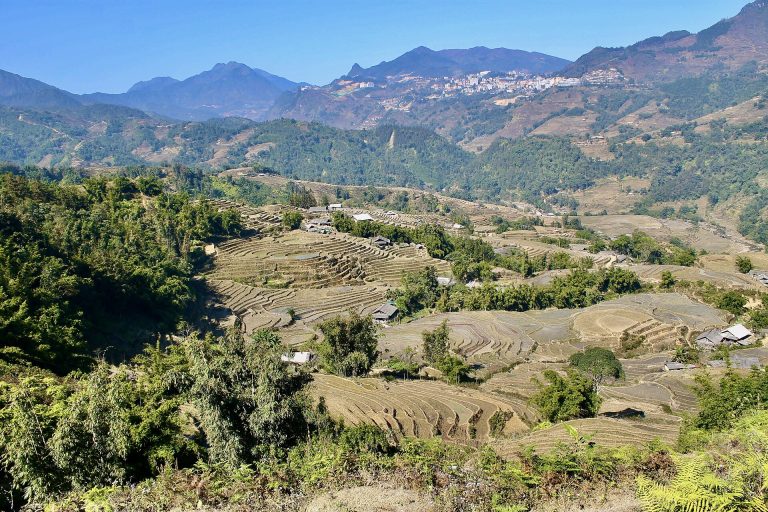
Country climate is rarely uniform. In Vietnam, the north, centre and south follow different rhythms, so the best month depends on the region. See the best time to travel to Vietnam for a region-by-region breakdown.
Rail and overland choices
Trains suit slow routes: centre to centre, a seat with a table, and no airport transfers. Overland can work well when the route links two nearby bases or when an overnight sleeper replaces a hotel night. Compare the full journey before you commit.
Checks for rail:
- Book the longer or busier legs first, and confirm whether reservations are compulsory.
- Compare the full door-to-door time with a flight, including airport transfers and check-in.
- For European rail, read the official EU rail passenger rights page for delay compensation and assistance rules, and keep your ticket and booking confirmation.
- Where tickets are sold by national operators, check whether a through-ticket protects missed connections.
Carry-on simplicity
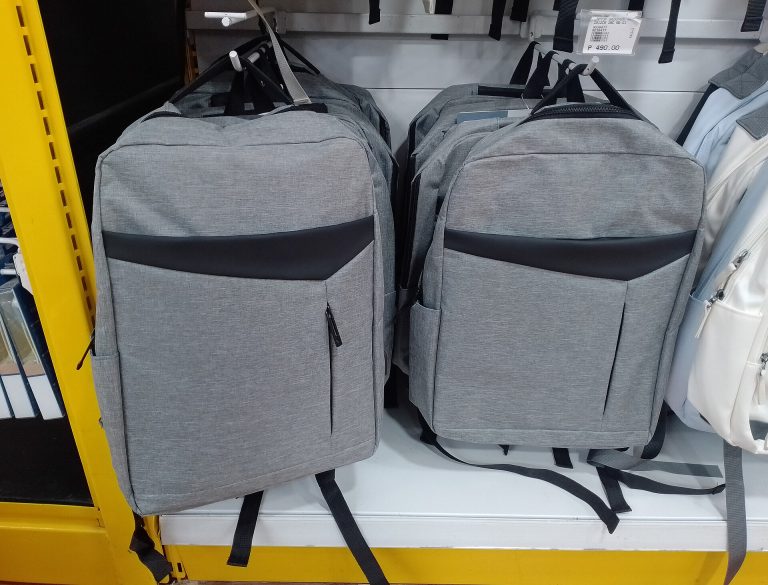
Moving between bases is easier with one bag. Pack for seven days, plan to do laundry weekly, and keep your work kit (laptop, charger, adaptor, headphones) in the day bag. Check each airline's carry-on dimensions and weight, since budget carriers often set stricter limits than full-service ones. Our best travel backpacks guide compares bags that fit common cabin rules.
Destination clusters
Pick a destination cluster: places close together with simple transport links. A cluster might be a coastal strip with three towns, a region served by one rail line, or a country's north or south. Clusters cut transit time, make a rail-first plan realistic and let you shift a base if the weather or the Wi-Fi lets you down.
For a worked example, our Vietnam travel guide groups the country into regions that suit a slow route.
Verify visa, entry, insurance and connectivity
Rules change and differ by passport, so confirm each item on an official source close to departure.
| Item | What to confirm | Where |
|---|---|---|
| Visa and entry | Permitted stay, extension rules, onward-ticket requirement, passport validity | The destination government's official immigration or e-visa site |
| Remote work permission | Whether a tourist stay allows remote work, or whether you need a dedicated visa | Official visa page for the country |
| Insurance | Covers the full length, remote-work use of a laptop, and medical care locally | Your policy wording and insurer |
| Connectivity | eSIM support, roaming charges, local SIM registration rules | Your carrier and the destination's official guidance |
| Tourism context | Broad international tourism data and policy notes | UN Tourism |
If you plan to work from abroad for months, compare countries with a dedicated option in our digital nomad visa countries guide, then follow its links to each government's official page before applying.
How to use these trends
- Pick a trip length and divide it into two to four bases.
- Choose dates in a shoulder window and check the weather by region.
- Test the work setup: speed, power, desk, backup connection.
- Compare rail or overland with flights using door-to-door time.
- Pack for one carry-on and confirm each airline's limits.
- Confirm visa, entry, insurance and connectivity on official pages.
- Book the first base with flexible terms, then extend.
FAQ
What are the main travel planning trends for 2026?
Among flexible travellers, the main planning habits are longer stays in fewer bases, shoulder-season dates, rail and overland legs, lighter luggage and verified remote-work connectivity.
Can I work remotely on a tourist visa?
It depends on the country and your passport. Some destinations do not allow work on a tourist entry, while others offer a dedicated remote-work visa. Read the official immigration page for your destination before you book.
How long should a longer stay be?
Many travellers settle on two to six weeks per base. That is long enough to get a routine and a monthly rate, and short enough to stay flexible. Make sure your visa and insurance cover the full length.
Is shoulder season a good time to travel?
Often yes, since crowds and prices tend to ease. Check regional weather, seasonal closures and local holidays for your exact dates, because conditions vary within a country.
What should I check about insurance for a remote-work trip?
Confirm that the policy covers your whole stay, medical care in the destination and the equipment you bring, such as a laptop. Read what the policy says about working abroad, since some plans treat it differently from leisure travel.
Next step
Start with our remote work travel guide to plan your daily workspace, verify internet speeds and pack your mobile office.
Reviewed: November 2026.
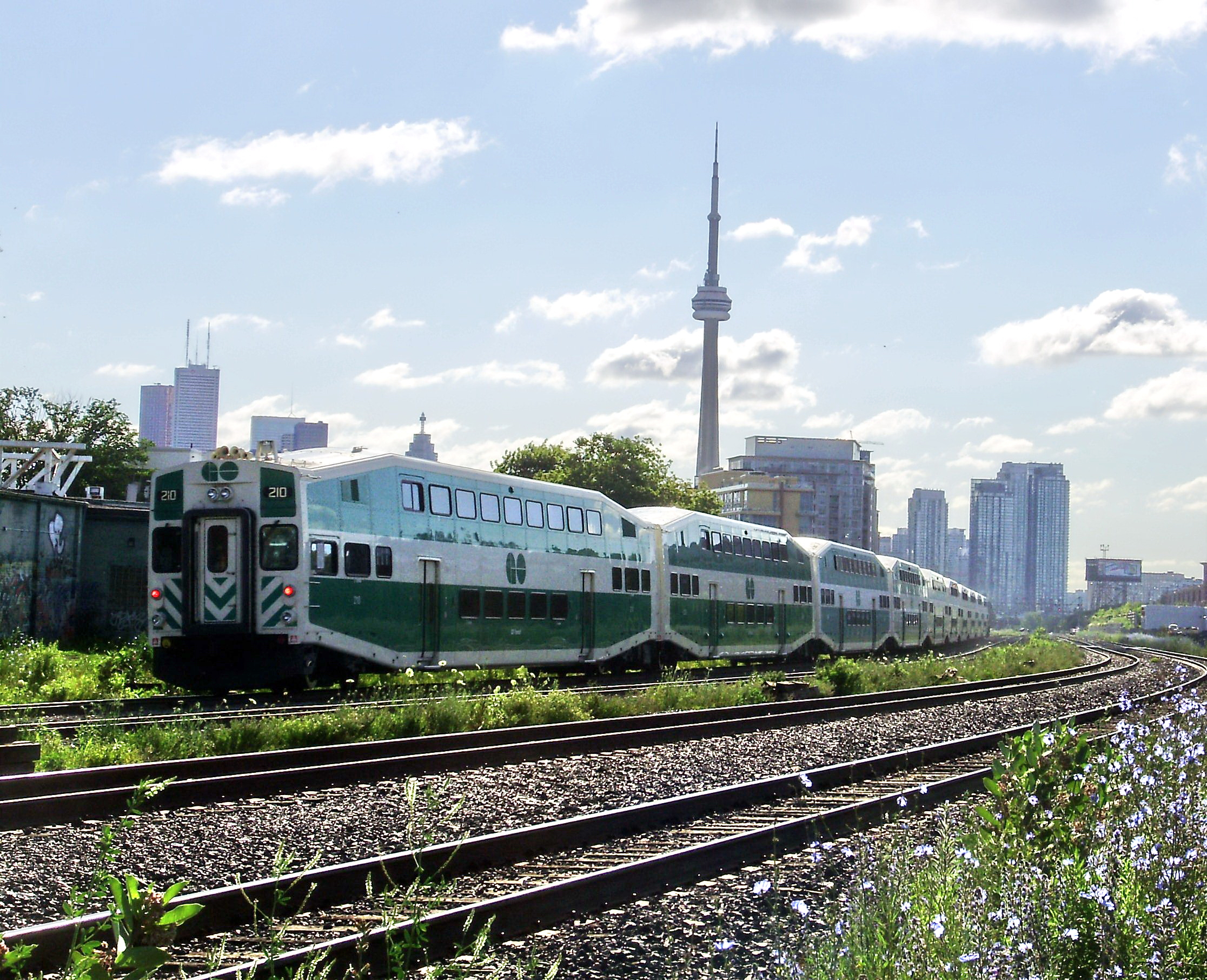
Featured photo: GO Transit train travelling toward Toronto by GTD Aquitaine, public domain, via Wikimedia Commons.
For a month-specific budget comparison, continue with the July routes guide.
For a month-specific budget comparison, continue with the August routes guide.
For a month-specific budget comparison, continue with the September routes guide.
Seasonal planning: October route planning.
Seasonal planning: November route planning.