Schengen Visa: Freelancers, Prepare for a Soul-Crushing Gauntlet
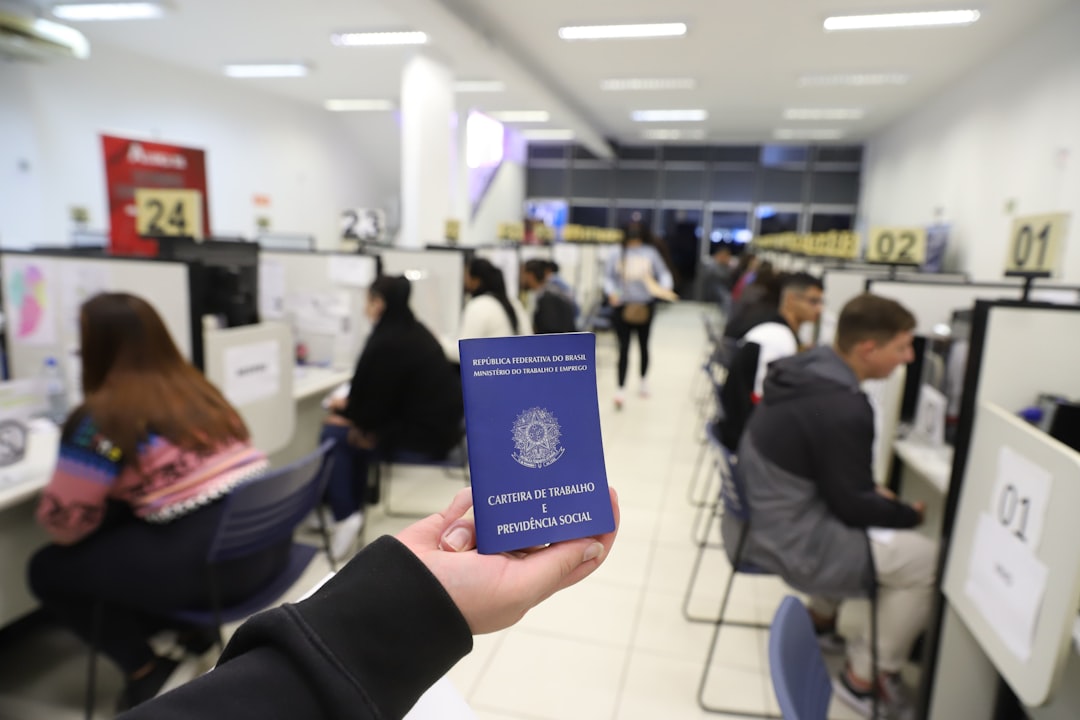
Let’s be brutally honest: securing a Schengen visa as a freelancer is like trying to herd cats through a bureaucratic minefield. Picture this: You’ve landed the dream gig – a remote project for a Berlin-based startup. Visions of sipping Glühwein at Christmas markets and exploring hidden Italian trattorias dance in your head. Then reality hits: the dreaded visa application.
Suddenly, your carefully constructed freelance life – the freedom, the flexibility, the diversified income streams – becomes your biggest liability. Banks statements showing a mosaic of payments from various clients? Suspicious. Lack of a permanent employment contract? Red flag. Proof of self-sufficiency? Prepare to justify every single transaction with the fervor of a tax auditor.
The consulates, often understaffed and overwhelmed, treat freelancers with a level of suspicion bordering on disdain. They want airtight guarantees, ironclad proof that you won’t overstay your welcome and become a burden on their social welfare system. Forget about explaining the nuances of your digital nomad existence; they want to see a neatly packaged, easily digestible profile that fits their pre-conceived notions of a "legitimate" applicant.
And the worst part? Even with meticulously prepared documentation, the outcome feels like a lottery. Rejection letters, often devoid of detailed explanation, are commonplace. Your dream project, your carefully planned European adventure, could be shattered by a simple bureaucratic stamp. So, freelancers, brace yourselves. The Schengen visa journey is not for the faint of heart. It’s a test of resilience, resourcefulness, and a healthy dose of blind faith.
Schengen Visa for Freelancers: Key Factors Affecting Your Approval
Obtaining a Schengen visa as a freelancer can be more complex than for employed individuals. Visa officers need to assess your financial stability, genuine intent to return to your home country, and the legitimacy of your freelance work. Here are 4-6 key factors that significantly influence their decision:
1. Financial Stability and Proof of Income:
- Impact: This is arguably the most crucial factor. Visa officers need to be convinced you can financially support yourself during your stay without relying on public funds or engaging in unauthorized work.
- Evidence:
- Bank Statements: Provide at least 6 months (ideally 12) of bank statements showing consistent income. The amount required varies by country, but aim for at least €50-€100 per day of intended stay. For example, a 30-day trip might require showing €1500-€3000 in available funds.
- Freelance Contracts: Present valid contracts with clients clearly outlining the scope of work, payment terms, and duration. This establishes the legitimacy of your income source.
- Invoices and Payment Receipts: Back up your contracts with invoices and payment receipts to demonstrate actual earnings. Consistent and documented income is key.
- Tax Returns: Submit your income tax returns for the past 1-2 years. This provides official confirmation of your declared income.
- Proof of Savings/Investments: If you have savings accounts, investments, or other assets, include documentation to further demonstrate your financial security.
- Constraints and Tradeoffs:
- Income Fluctuations: Freelance income can be unpredictable. If your income varies significantly month-to-month, explain the fluctuations in a cover letter and provide evidence of past periods of higher income to demonstrate your earning potential.
- New Freelancers: If you are a new freelancer with limited income history, you may need to provide a larger amount of savings to compensate for the lack of consistent earnings. You might also need a guarantor (family member) who can provide a financial guarantee.
- Insufficient Funds: If your bank statements don’t meet the required threshold, your application will likely be rejected. Consider postponing your trip until you have accumulated sufficient funds.
2. Proof of Established Freelance Business:
- Impact: Visa officers need assurance that your freelance work is a legitimate business and not just a temporary means of funding your trip.
- Evidence:
- Business Registration: If applicable in your home country, provide proof of business registration or licensing.
- Professional Website/Portfolio: A professional website or online portfolio showcasing your work and client testimonials adds credibility.
- Client Testimonials/References: Obtain letters of recommendation from satisfied clients.
- Membership in Professional Organizations: If relevant to your field, membership in professional organizations can demonstrate your commitment to your career.
- Constraints and Tradeoffs:
- Informal Freelancing: If you primarily work through informal channels without formal contracts or registrations, it can be challenging to prove the legitimacy of your business. Consider formalizing your business structure, even if it’s a simple sole proprietorship.
- Lack of Online Presence: In today’s digital age, a lack of online presence can raise suspicion. Invest in creating a basic website or online portfolio to showcase your work.
3. Travel History:
- Impact: A good travel history, especially with previous Schengen visas or visas to other developed countries, indicates that you are a responsible traveler who adheres to visa regulations and returns to your home country.
- Evidence:
- Copies of Previous Visas: Include copies of all previous visas, especially Schengen visas.
- Passport Stamps: Present your passport with stamps from previous trips.
- Constraints and Tradeoffs:
- Limited Travel History: If you have limited travel history, it doesn’t automatically disqualify you, but it may increase scrutiny. Focus on strengthening other aspects of your application, such as demonstrating strong ties to your home country and providing ample financial documentation.
- Visa Refusals: Previous visa refusals can negatively impact your application. Be transparent about any past refusals in your cover letter and explain the reasons for the refusal and any steps you have taken to address the issues.
4. Ties to Your Home Country:
- Impact: Visa officers need to be convinced you have strong reasons to return to your home country after your trip.
- Evidence:
- Property Ownership: Proof of owning property (house, land) in your home country.
- Family Ties: Marriage certificate, birth certificates of dependents, letters from family members
Schengen Visa Options for Freelancers: A Comparative Guide
Obtaining a Schengen visa as a freelancer can be more complex than for employed individuals, as you need to demonstrate stable income and a clear purpose of travel. This table compares the best options, routes, and approaches for freelancers seeking a Schengen visa, outlining their suitability and potential pitfalls.
| Option/Route | Best For | Why It Works | Watchout | Who Should Use It | Who Should Skip It |
|---|---|---|---|---|---|
| Tourist Visa (Proof of Funds & Itinerary) | Freelancers with a clear leisure travel plan and sufficient savings. | Relatively straightforward application process, focusing on demonstrating financial stability and a well-defined travel itinerary. Requires a detailed itinerary, confirmed accommodation, and return flight tickets. | Requires substantial proof of funds to cover all travel expenses. Emphasis on genuinely being a tourist with no intention of working illegally. A poorly defined itinerary or insufficient funds will lead to rejection. | Freelancers primarily wanting to travel for leisure and can demonstrably afford the trip without relying on income earned during the stay. Those with a consistent history of international travel and strong ties to their home country. | Freelancers planning to work extensively during their trip, those with limited savings, or those who cannot clearly articulate a leisure-based itinerary. |
| Business Visa (If Applicable) | Freelancers attending conferences, workshops, or client meetings related to their freelance work. | Allows for travel related to professional activities. Requires an invitation letter from the host organization and proof of your freelance work. | Requires strong documentation of the business purpose, including detailed agendas, contracts, and proof of registration as a freelancer. The business activity must be short-term and not constitute employment in the Schengen area. | Freelancers who can legitimately demonstrate a business-related reason for travel, such as attending a conference or meeting with clients. Those who have a registered business and can provide supporting documentation. | Freelancers primarily seeking leisure travel or those whose freelance work does not involve any specific business-related activities in the Schengen area. |
| Visa Sponsorship (If Applicable) | Freelancers invited by a Schengen-based company for a specific project or collaboration. | The sponsoring company takes responsibility for the freelancer’s stay and provides guarantees to the embassy. | Requires a strong relationship with the sponsoring company and a clear contract outlining the scope of work and duration of stay. The sponsoring company must be reputable and financially stable. | Freelancers who have a concrete project or collaboration with a company based in the Schengen area and can secure a formal sponsorship letter. | Freelancers without a specific invitation or sponsorship from a Schengen-based company. |
| Long-Stay National Visa (If Applicable) | Freelancers planning to reside in a specific Schengen country for more than 90 days (e.g., for a long-term project or remote work). | Allows for extended stays and potential eligibility for residency permits. Requirements vary significantly by country. | Requires extensive documentation, including proof of income, health insurance, accommodation, and a clear reason for the extended stay. The application process can be lengthy and complex. Not all Schengen countries offer specific visas for remote workers. | Freelancers seeking to relocate to a specific Schengen country for a longer period and meet the specific requirements of that country’s immigration laws. Those with a stable and substantial income and a clear plan for their long-term stay. | Freelancers planning short trips or those who do not meet the specific requirements for long-stay visas in their desired country. |
| Proof of Stable Income (Crucial for All Options) | Applicable to all visa types for freelancers. | Demonstrates financial stability and reduces the risk of overstaying. | Requires consistent and verifiable income documentation, such as bank statements, tax returns, client invoices, and contracts. Income must be sufficient to cover all travel and living expenses. | All freelancers applying for a Schengen visa, regardless of the chosen route. | N/A – This is a mandatory requirement for all freelancers. |
Key Considerations for Freelancers:
- Financial Stability: This is the most crucial aspect. Provide detailed bank statements showing consistent income over the past 6-12 months. Include tax returns, client contracts, and invoices to further support your income claims.
- Purpose of Travel: Clearly define your reason for travel. A vague or ambiguous purpose will raise red flags.
Who Should Skip This
While the allure of a Schengen visa for freelancers is strong, painting it as a universally perfect solution is misleading. For some, it’s simply the wrong choice, and chasing it can lead to frustration and wasted resources.
When the Schengen Freelancer Visa Is a Bad Idea:
- If you need long-term stability: The Schengen area is designed for short-term stays. While some countries offer national visas that allow longer stays, they often come with stricter requirements and integration demands (language proficiency, residence permits). If your goal is permanent relocation and building a life, explore options like digital nomad visas in countries outside the Schengen zone or skilled worker visas.
- If your income is unreliable or low: Many Schengen countries require proof of sufficient funds to support yourself without becoming a burden on their social welfare system. If your income fluctuates wildly or is barely enough to cover basic expenses, you’ll likely face visa denial. Budget travel within the Schengen area is still relatively expensive.
- If your work requires frequent travel outside the Schengen area: The "90/180 rule" (90 days in any 180-day period) severely restricts your time. If you need to travel to the UK, Eastern Europe (outside Schengen), or other continents frequently for work, a Schengen visa will quickly become a logistical nightmare.
- If you value simplicity and low bureaucracy: The Schengen visa application process can be notoriously complex, requiring extensive documentation, translations, and potential interviews. Other countries offer digital nomad visas with simpler application procedures and lower costs.
Who Should Skip It?
- The casual digital nomad: If you’re only planning a short-term digital nomad experience (a few months), consider tourist visas or visa-free entry options. The effort and cost of securing a freelancer visa might outweigh the benefits.
- The budget-conscious traveler: The Schengen area is generally more expensive than other regions. If you prioritize maximizing your travel budget, explore options in Southeast Asia, South America, or Eastern Europe.
- Those seeking a permanent base: As mentioned earlier, the Schengen visa isn’t designed for long-term residency. If you’re looking to settle down, explore alternative visa options that offer a pathway to residency or citizenship.
Hidden Costs and Annoyances:
- Travel Insurance: Mandatory and often expensive, especially if you require comprehensive coverage for pre-existing conditions.
- Translation Costs: Official translations of documents can quickly add up.
- Visa Extension Difficulties: Extending a Schengen visa is exceptionally difficult and often impossible.
- Limited Job Opportunities: While you can work remotely, actively seeking employment within the Schengen area on a freelancer
Schengen Visa for Freelancers: Common Mistakes, Edge Cases, and Caveats
Securing a Schengen visa as a freelancer presents unique challenges compared to salaried employees. Here’s a breakdown of common pitfalls, edge cases, and crucial caveats:
Common Mistakes:
- Insufficient Proof of Income: Freelancers often struggle to demonstrate consistent and reliable income. Bank statements showing large, infrequent deposits are less convincing than regular, predictable payments. Aim to provide a detailed income history, ideally spanning at least 6 months, showcasing consistent earnings. Include invoices, payment receipts, and client contracts.
- Vague Purpose of Visit: Simply stating "tourism" can be problematic. Freelancers are often perceived as potential "digital nomads" seeking to work illegally in the Schengen area. Clearly articulate your purpose, whether it’s attending a conference, meeting clients (with supporting documentation), or a genuine vacation with proof of sufficient funds.
- Inadequate Travel Insurance: Don’t skimp on insurance! Ensure it covers the entire duration of your stay, includes repatriation, and meets the minimum coverage requirements (typically €30,000). Pay attention to the fine print; some policies exclude certain activities or pre-existing conditions.
- Poorly Prepared Cover Letter: Your cover letter is crucial for explaining your freelance status, your travel plans, and how you intend to support yourself financially. Be concise, professional, and address any potential concerns proactively.
- Incorrect Visa Type: Applying for a tourist visa when your primary purpose is business-related (e.g., attending a conference, meeting clients) is a recipe for rejection. Research the appropriate visa type and provide supporting documentation accordingly.
Edge Cases:
- New Freelancers: Individuals with limited or no freelance income history face significant hurdles. Building a solid portfolio and demonstrating potential future earnings is crucial. Consider applying after several months of consistent income.
- Income from Cryptocurrencies: While increasingly accepted, income derived solely from cryptocurrencies can raise red flags. Convert cryptocurrency to fiat currency and provide bank statements showing these transactions. Transparency is key.
- Remote Work for Non-Schengen Companies: This is a gray area. Officially, you cannot "work" in the Schengen area on a tourist visa. If you’re simply maintaining existing projects for clients outside the Schengen zone, be prepared to justify that your primary purpose is tourism and that your work is minimal and incidental.
Caveats:
- Visa Decisions are Discretionary: Even with a perfect application, the consulate has the final say. Strong ties to your home country (family, property, long-term contracts) significantly improve your chances.
- Enforcement is Increasing: Schengen authorities are becoming more vigilant about detecting illegal work. Be prepared to answer questions about your work and financial situation upon arrival.
- Country-Specific Variations: Requirements and processing times can vary significantly between Schengen countries. Research the specific embassy or consulate where you’ll be
Related TTLG Resource
If you found the section on prioritization helpful, you might enjoy browsing TTLG’s guides on "Effective Task Management." It dives deeper into various prioritization techniques and workflows.
Consider this: What’s one tiny action you can take right now to move closer to your goals? It could be as simple as scheduling 15 minutes to declutter your desk or writing down three things you want to accomplish tomorrow.
Ultimately, finding a system that works for you is the goal. If you’re a visual thinker, maybe exploring a tool like Trello or Asana (both offer free tiers) would be a good fit to map out your tasks.
Next Read