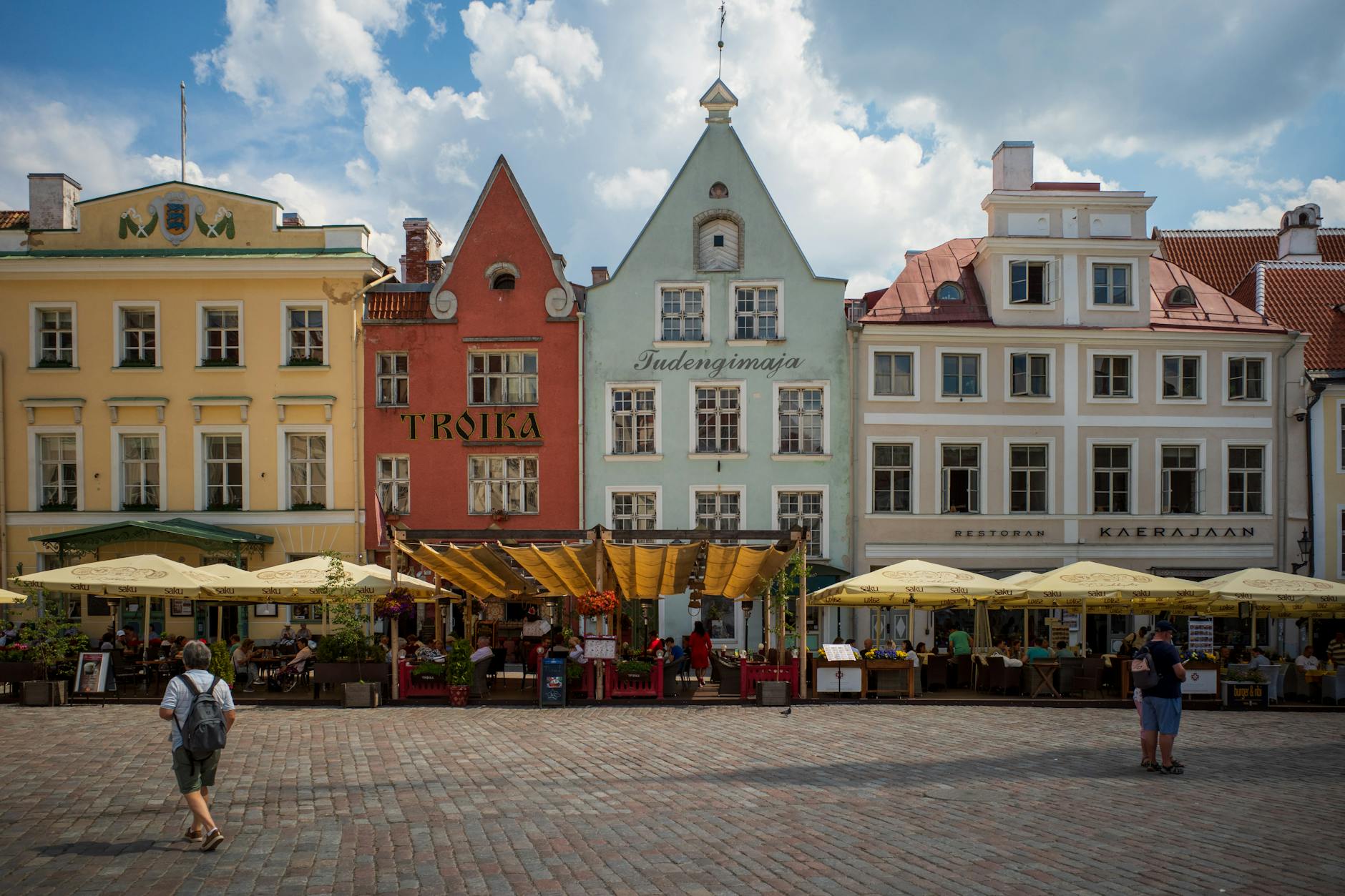
Yes, Tallinn is good for digital nomads on stays of a month or more. Many nationalities can work remotely for up to 90 days in any 180 without a visa. Longer stays need Estonia’s digital nomad visa, which sets a minimum monthly income. Budget about €1,200 to €1,800 a month for a lean setup and €2,500 or more in the centre.

Quick comparison
| Question | Short answer |
|---|---|
| Best for | Stays of one to six months with a fixed work routine |
| Internet | Fibre is widely available |
| Visa | Up to 90 days in 180 for many passports; the digital nomad visa for longer stays |
| Biggest cost swing | Central rent and eating out |
| Biggest comfort swing | Dark, cold winters (roughly November to March) |
Who Tallinn works for
Tallinn works best for people who like a small, orderly capital where most things are digital and nobody rushes you. Estonia’s startup scene and e-government reputation are the main reasons people come. The four choices that shape a stay are budget, visa, workspace and where you live.
1. Budget
These are my rough monthly estimates for one person.
- Lean setup, about €1,200 to €1,800: a one-bedroom outside the centre, cooking at home, public transport, modest entertainment.
- Central and comfortable, €2,500 and up: a modern flat in the centre, regular restaurant meals and taxis. At this level Tallinn costs about the same as many other European cities.
- Winter: heating pushes utility bills up between November and March. Ask the landlord what the cold-month bill looks like before you sign.
- Summer: short-term rents rise. Book early or stay flexible on neighbourhood.
My rule of thumb: if you earn around $5,000 a month and cook at home half the time, Tallinn leaves room to save. At $2,000 a month with a social, eat-out lifestyle, it gets tight.
2. Visa and residency
Rules and thresholds change, so confirm the current figures and documents on the official Estonian Police and Border Guard and e-Estonia pages before you plan around any of this.
- Short stays: many nationalities can enter Estonia visa-free for up to 90 days within any 180-day period under Schengen rules. For a one-to-three-month test, this is the simplest option.
- Digital nomad visa: Estonia offers one for remote workers employed by or running a business outside Estonia. It requires a minimum gross monthly income, assessed over the months before you apply.
- e-Residency: a digital ID that lets you register, run and manage an Estonian company online. Handle travel and residence questions separately.
- Tax: longer stays bring both your home country’s residency rules and Estonia’s into play. Talk to a tax adviser before staying beyond the 90-day short-stay limit. This is the one place where skipping the check can cost you real money.
3. Internet and workspace
Fibre internet is common in Tallinn. Outages happen in storms like anywhere else, so keep a local SIM or hotspot ready for call days.
Coworking spaces such as Lift99 and Workland offer memberships for hot desks and private offices. Ask each for its current rate. Cafés and hostels are fine for light work. For video calls and deep work, a desk you pay for beats a café.
4. Where to base yourself
| Setup | Best for | Watch out for |
|---|---|---|
| Coliving with coworking | First month, instant community, no logistics (1 to 3 months) | Higher cost, less privacy |
| Rented flat plus a coworking desk | Stays of 3+ months, privacy, a steady routine | You arrange utilities and internet yourself, and build your own social life |
| Hostel or short rental plus cafés | Very tight budgets, short stays | Patchy Wi-Fi, noise, lower productivity |
| Digital nomad visa plus long lease | A year or more, stable remote income | Application paperwork, deposit, proving income |
For neighbourhoods, start with Kalamaja, with its wooden houses and cafés, and Kadriorg, a quiet, leafy area near the park. The centre is convenient but louder and pricier. Both are an easy tram or bike ride from it.
Who should skip Tallinn
- –
Common mistakes
- –
Frequently asked questions
Is Tallinn good for digital nomads?
Yes, for stays of a month or more. You get fast internet, coworking spaces, a walkable city and a strong tech community. The trade-offs are winter darkness, reserved locals and rents that have risen.
How much does a month in Tallinn cost?
A lean setup is roughly €1,200 to €1,800 with a flat outside the centre and home cooking. A central flat with frequent restaurant meals and taxis can pass €2,500.
Do I need a visa to work remotely from Tallinn?
Many nationalities can stay up to 90 days in any 180 under Schengen rules. For longer, Estonia has a digital nomad visa with a minimum monthly income requirement set by the Estonian authorities.
Is e-Residency a visa?
No. e-Residency is a digital ID for running a company online. Living or staying in Estonia requires a separate visa or residence permit.
What is winter like for remote workers in Tallinn?
Long, dark and cold between roughly November and March. Heating raises utility bills, and many tourist-oriented businesses cut hours. Buy a daylight lamp, book a gym or coworking membership, and schedule weekly meetups before the dark months start.
Next step
Decide your length of stay first. Under 90 days, book a flat in Kalamaja or Kadriorg and a coworking day pass to test. For longer stays, read the visa requirements on the official Estonian pages before you book anything.