
Preparing for an island trip? Use this Hawaii packing list to split beach, trail, rain and elevation needs before you pack.
A backpacking packing list covers the core systems you carry on your back: backpack, shelter, sleep kit, layered clothing, food and stove, water treatment, navigation and first aid, waste supplies, and documents. Your exact kit shifts with trip length, forecast weather, water spacing, terrain, and land-manager rules for permits, fires, and food storage.
Master Backpacking Checklist
| System | Core Items | Route Factors |
|---|---|---|
| Pack and sleep | Backpack, liner, sleeping bag, pad | Trip length, canister bulk, low temp |
| Shelter | Tent or tarp, stakes, fly, bivy | Wind, elevation, bugs, soil |
| Clothing | Base layers, mid-layer, rain shell, footwear | Rain, wind, frost, stream crossings |
| Food and water | Bottles, filter, stove, fuel, storage | Dry stretches, fire bans, wildlife |
| Navigation and safety | Map, compass, headlamp, first aid, tools | Signage, remoteness, sun, elevation |
| Hygiene and waste | Trowel or pack-out bags, paper, soap | Soil depth, pack-out zones |
| Electronics and documents | Phone, power bank, permits, ID | Cell coverage, permit rules, borders |
Established campgrounds and hike-in tent pads often provide toilets, potable spigots, tent platforms, and metal food lockers (for drive-up frontcountry sites with vehicle storage, start with our camping packing list), while backcountry routes require pitching on natural ground, treating stream or lake water, managing human waste by local rules, and securing scented items from wildlife. Permits, fire restrictions, wildlife food-storage mandates, and waste pack-out zones vary by park, forest, and season (source guidance checked November 2026); confirm current rules with your land manager before departing.
Pack and Sleep System
Choose a backpack sized for your shelter, sleep kit, layers, food, and any required bear canister, with a hip belt and sternum strap adjusted to your torso length. To compare pack designs across different styles of travel, see our travel backpacks comparison.
Line the pack interior with a waterproof liner bag or pack cover to shield insulation in steady rain. Separate wet items from dry layers with lightweight dry sacks; for structured clothing compartments across longer trips, review our packing cubes guide.
Match your sleeping bag or quilt rating to the lowest forecast temperature at your highest camp elevation. Pair it with an insulated sleeping pad matched to ground temperatures, since the National Park Service notes that an insulated pad blocks cold from the ground. Seal your sleeping bag inside its own dry sack, and bring an inflatable pillow or stuff spare clothes into a dry bag.
Shelter
Pack a backpacking tent, tarp, or bivy suited to expected wind, rain, and biting insects. Stage every part before loading your bag: shelter body, rain fly, poles (or trekking poles for pole-supported pitches), guylines, stakes, and a lightweight groundsheet.
V-stakes and Y-stakes hold well in forest soil, while wider sand or snow stakes secure pitches in loose washes or alpine drifts. Keep an emergency reflective bivy or space blanket near the top of your pack for sudden weather drops. Pitch on durable surfaces (established tent pads, bare dirt, rock, or dry grass) following Leave No Trace guidance.
Clothing
Use modular layers that adapt between steep climbs and wind-chilled camps. Synthetic and merino wool fabrics dry quickly and insulate when damp.
- Base layers: Moisture-wicking hiking shirt and shorts or pants, plus a dry set reserved solely for sleeping.
- Mid-layer: Fleece pullover or lightweight insulated jacket sized to fit over base layers during breaks and evenings.
- Rain gear: Waterproof, breathable rain jacket and rain pants (or a rain kilt) packed near the top of your bag.
- Head and hands: Brimmed sun hat, UV sunglasses, warm beanie, and liner gloves.
- Socks and footwear: At least two pairs of cushioned hiking socks so one pair dries while you wear the second, dry sleep socks, and broken-in trail runners or boots suited to terrain roughness. Add lightweight camp sandals for routes with wide stream crossings.
Food and Water
Size your water bottles or hydration reservoir to the longest dry stretch between verified water sources, factoring in heat, elevation gain, and camp cooking. The U.S. Forest Service notes that natural backcountry water can carry Giardia lamblia and directs hikers to treat water by boiling or filtering. Chemical tablets and UV purifiers are additional field methods; match treatment to local water clarity and pathogen guidance, and carry a compact backup in case a primary filter clogs or freezes.
For cooked meals, pack a compact camp stove, compatible fuel canister, wind screen where allowed, pot, long-handled spoon, mug, and waterproof ignition (lighter and stormproof matches). Confirm whether local fire restrictions require a stove with an on-off shutoff valve.
Bring calorie-dense meals and snacks matched to trip length, terrain, and appetite, plus one extra day of no-cook food for unexpected delays. Store all food, trash, and scented toiletries (toothpaste, lip balm, sunscreen) using your land manager's required method: an approved bear canister, permitted hang kit, or campsite food locker.
Navigation and Safety
Build your safety kit around the core safety systems from National Park Service and U.S. Forest Service backcountry guidance:
- Navigation: Waterproof topographic paper map covering your route corridor, baseplate compass, and downloaded offline phone maps. Orient the paper map to terrain features before losing cell service.
- Illumination: Headlamp with fresh or fully charged batteries, plus spare batteries or charging backup.
- First aid: Adhesive bandages, sterile gauze, medical tape, blister dressings, antiseptic wipes, tweezers, small shears, and personal prescription medications.
- Tools and repair: Folding knife or multi-tool, duct tape wrapped around a trekking pole or lighter, spare cordage, and a sleeping-pad patch kit.
- Signaling and protection: Pealess whistle, signaling mirror, broad-spectrum sunscreen, SPF lip balm, and insect repellent matched to local pests.
Leave a written trip plan with a trusted contact listing your trailhead, vehicle details, planned camp areas, and expected return time.
Hygiene and Waste
Follow Leave No Trace Principle 3 (Dispose of Waste Properly) alongside specific land-manager rules for each corridor:
- Human waste: Pack a lightweight digging trowel, toilet paper, hand sanitizer, and double-layered zip-top bags to carry out used paper and hygiene products. Where catholes are allowed, Leave No Trace specifies digging 6 to 8 inches deep and at least 200 feet (about 70 adult paces) from water sources, trails, and camp areas, then covering and disguising the hole. Some land managers require solid-waste carry-out bags; check your route's rules.
- Dishwashing: Carry water at least 200 feet from lakes and streams, use tiny drops of biodegradable soap sparingly, strain food scraps into your trash bag, and scatter the strained gray water over durable ground.
- Personal care: Toothbrush, small toothpaste tube (stored with food in wildlife country), and quick-dry towel.
Electronics and Documents
Keep electronics simple and sealed against moisture:
- Phone and power: Switch your phone to airplane mode on trail, carry a power bank sized to trip length, pack short charging cables, and store everything inside a waterproof pouch.
- Off-grid communication: On remote routes beyond cell coverage, carry a registered two-way satellite communicator or personal locator beacon.
- Documents: Carry printed trail and camp permits, government photo ID, health insurance card, written emergency contacts, and small local cash or a card for shuttles.
If your route starts abroad or requires flying to the trailhead, pair this backpacking gear list with our international travel packing list for passports, border entry paperwork, and flight baggage restrictions.
Lightweight Versus Comfort Split
Every item on a list of things to pack for backpacking trades uphill carry effort for camp convenience. Match your load to your fitness, daily distance, and elevation gain by trimming spare clothing and duplicate tools first while keeping full weather, water, and navigation margins intact.
| Category | Lightweight Approach | Comfort Approach |
|---|---|---|
| Shelter | Tarp or trekking-pole tent | Freestanding double-wall tent |
| Sleep pad | Closed-cell foam pad | Thick air pad and pillow |
| Cooking | No-cook jar or single pot | Simmer stove, mug, and spoon |
| Seating | Folded foam pad or dry rock | Compact folding camp chair |
| Footwear | Single pair of trail runners | Trail footwear and camp sandals |
| Organization | Pack liner and two dry sacks | Category stuff sacks |
| Water filter | Squeeze filter and pouches | Gravity filter for camp |
On a one-night trip, a camp chair or thicker pad adds little carry time; on a multi-day route with steep climbs, each extra item adds up.
Compact Printable Backpacking Checklist
Print or copy this backpacking checklist before staging your gear, crossing off items provided at established sites.
- Pack and sleep: Fitted backpack, waterproof liner, dry sacks, sleeping bag or quilt, insulated pad, pillow
- Shelter: Tent, tarp, or bivy with poles, stakes, guylines, groundsheet, and emergency bivy
- Clothing: Wicking trail layers, dry sleep layers, insulated mid-layer, rain shell, sun and cold-weather headwear, gloves, hiking and sleep socks, trail footwear
- Food and water: Bottles or reservoir, primary and backup water treatment, stove, fuel, pot, spoon, ignition, meals, extra no-cook day, required food storage
- Navigation and safety: Paper map, compass, offline maps, headlamp with spares, first-aid kit, medications, knife, repair tape, cordage, whistle, mirror, sun and bug protection
- Hygiene and waste: Trowel or pack-out bags, toilet paper, zip bags, sanitizer, biodegradable soap, toothbrush, toothpaste, quick-dry towel
- Electronics and documents: Phone, power bank, cables, satellite communicator (if off-grid), permits, ID, insurance card, emergency contacts, cash or card
Frequently Asked Questions
How does a backpacking packing list differ from a car camping checklist?
Backpacking requires carrying every item on your back for the full route, so gear stays compact and multi-purpose. Car camping relies on vehicle storage and campground amenities like potable spigots and restrooms.
How do you choose a backpack size for an overnight or multi-day route?
Size your pack to your bulkiest items: sleeping bag, shelter, insulated layers, food supply, and any required bear canister. Warm overnights take less volume than cold multi-day trips or canister-mandated routes.
When do you need a bear canister for backpacking?
Carry an approved bear canister whenever the park, forest, or trail authority requires one for your corridor. Elsewhere, follow local hang or locker rules for all food, trash, and scented toiletries.
How much food and water should you carry on a backpacking route?
Size water capacity to the longest dry stretch between verified sources, factoring in heat, climbs, and cooking. Pack meals for your trip length and terrain, plus one extra day of no-cook food.
What waste supplies do you need on trails without toilets?
Pack a trowel, toilet paper, hand sanitizer, and sealed bags to carry out used paper. Dig catholes 6 to 8 inches deep and 200 feet from water, trails, and camp, or carry pack-out bags where required.
Next Step
Stage your full kit on the floor two days before departure, test your stove and water filter, and cut duplicates before packing. If you are still choosing a multi-day itinerary, browse our backpacking Europe routes to match your gear list to your chosen route.
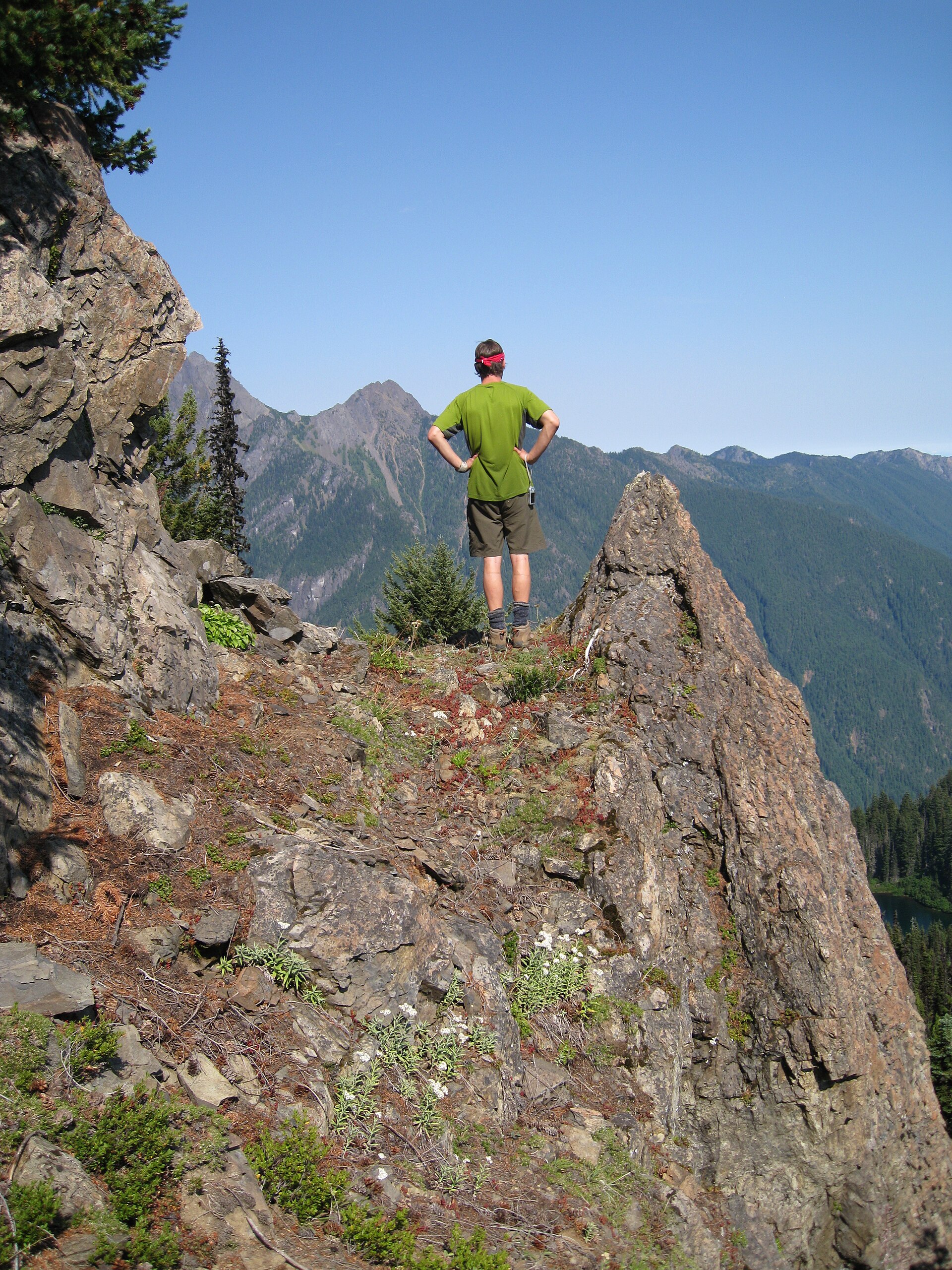
Featured photo: Hiking backpacking subalpine people, Olympic National Park photo by B. Baccus, via Wikimedia Commons (public domain).
For rainforest and beach planning, see the Costa Rica packing list.