
Corn Island is a two-island Nicaraguan municipality in the Caribbean Sea, about 70 km east of the mainland coast. It suits travelers planning a coastal trip centered on tourism, fishing communities, and protected terrestrial and marine areas. Big Corn Island holds the airport, while smaller Little Corn Island lies a panga ride away.
Big Corn vs Little Corn: Choosing Your Island Base
Nicaragua’s national tourism map lists two main islands in the Corn Island municipality: Great Corn Island, commonly called Big Corn (about 9.6 km²), and Little Corn Island (about 3.5 km²). Fishing, tourism, and trade anchor local life across both islands. Since October 2021, the municipality has held protected terrestrial and marine area status.
Corn Island Airport sits on Big Corn Island, giving you direct flight arrival from the mainland. Little Corn Island covers roughly a third of Big Corn’s area and requires an onward panga crossing from Big Corn.
| Option | Transfer from mainland | Island footprint | Best fit |
|---|---|---|---|
| Big Corn | Flight to Corn Island Airport | Larger island (about 9.6 km²) with Corn Island Airport | Keep the airport on your base island |
| Little Corn | Flight plus panga crossing | Smaller island (about 3.5 km²) | Travelers adding a panga crossing for a smaller island base |
| Split stay | Flight plus outbound and return panga | Both islands (about 9.6 km² and 3.5 km²) | Four or more nights with room for transfer days |
| Short stop | Single flight each way | Big Corn base only | Tight schedules using direct airport access |
Choose Big Corn when you want to avoid the extra sea crossing. Choose Little Corn when the smaller-island stay is worth adding a panga leg and transfer buffer.
How to Reach the Corn Islands
Reaching the Corn Islands follows three steps: mainland entry clearance, a domestic flight to Big Corn Island, and an onward panga crossing if you stay on Little Corn.
1. Clear Nicaraguan immigration on the mainland. Enter through an authorized border crossing before connecting onward. 2. Fly to Corn Island Airport on Big Corn Island. Nicaragua’s airport authority (EAAI) places Corn Island about 70 km east of the Caribbean coast and describes the flight from Bluefields as about 20 minutes. 3. Take a panga to Little Corn Island. From Big Corn, the EAAI page describes the panga ride as about 30 minutes.
Use those travel times as planning estimates. Checked November 2026: confirm current flight operations, panga departures, and marine weather locally with official authorities and your carrier before moving between islands.
Build margin into every transfer. Return from Little Corn well ahead of your Big Corn flight, and leave an overnight buffer on the mainland before an international departure.
Nicaragua Entry Requirements and Paperwork
Nicaragua’s entry rules set the baseline before you book domestic flights. Visita Nicaragua states that incoming travelers need a passport valid for at least six months from entry and must enter through an authorized border crossing. Visa rules depend on nationality: some nationalities qualify for short visa-exempt stays, regional CA-4 travelers follow regional documentation rules, and others require an advance consular visa.
Most visitors complete mandatory electronic immigration procedures and pay any applicable tourist card fee on arrival. Health rules depend on travel history: Visita Nicaragua requires an International Certificate of Vaccination Against Yellow Fever from travelers arriving from designated transmission-risk countries, with official age and medical exemptions. Official guidance also restricts drones and certain professional photography or broadcasting gear without prior permits.
Cross-check your home government’s travel advice alongside Nicaraguan tourism pages. Government of Canada advice states that regular Canadian passports must be valid for at least six months beyond expected departure from Nicaragua and notes that airlines may enforce stricter rules. Travelers carrying temporary, official, or “X” gender-identifier passports should confirm acceptance with a Nicaraguan diplomatic representative before flying.
Checked November 2026: confirm current passport, visa, health, and equipment rules for your exact nationality through official Nicaraguan channels and your airline before booking. For other entry routes, see digital nomad visa countries.
Beach, Water, Walking and Practical Logistics
Pack light and waterproof your documents; you will move by plane and panga.
- Protect gear for flight and sea transfers. Carry a soft-sided bag that moves easily between the airport and panga dock. Seal passports, electronics, and spare clothes in a waterproof dry bag before boarding.
- Dress for coastal walking and tropical weather. Bring comfortable walking sandals or light closed shoes, sun protection, and a light rain layer for sudden Caribbean showers.
- Respect the protected area. Since October 2021, the municipality has held protected terrestrial and marine area status. Carry out all trash and keep distance from marine wildlife.
- Match water plans to daily conditions. Check local wind and swell before swimming or booking boat trips, adjusting plans when seas turn choppy.
Trip costs depend on clear planning levers. Travel dates, domestic flight timing, island base, and transfer legs drive most budget swings, while meals and trip length set daily spending. Staying on one island trims transfer overhead. For broader budget context, compare cheap Latin American countries and cheap places to travel.
Three-Day Corn Island Sample Plan (Flexible Planning Example)
Treat this three-day outline as a flexible planning example, shifting each day around confirmed flight operations and local sea conditions.
Day 1: Arrive on Big Corn Island
Land at Corn Island Airport, settle into your Big Corn base, and spend the afternoon near the coast. Check weather forecasts and next-day boat operations in the evening if continuing to Little Corn.
Day 2: Cross to Little Corn or Stay on Big Corn
Board a panga to Little Corn Island when sea conditions allow, with valuables in a dry bag. Swim when water is calm and explore the smaller island at an unhurried pace. Travelers staying on Big Corn use Day 2 for coastal time and swimming.
Day 3: Return With Buffer Time
Cross back to Big Corn with ample margin before your outbound flight so wind or swell shifts do not disrupt onward connections.
Frequently Asked Questions
Where is Corn Island, Nicaragua?
Corn Island is a two-island municipality in Nicaragua’s Caribbean Sea, about 70 km east of the mainland coast. It comprises Great Corn Island (Big Corn) and Little Corn Island, and holds protected terrestrial and marine area status.
What is the difference between Big Corn Island and Little Corn Island?
Big Corn Island covers about 9.6 km² and holds Corn Island Airport for direct flight arrival. Little Corn Island covers about 3.5 km² and sits roughly a 30-minute panga ride away, offering a smaller second-island base.
How do you reach Little Corn Island?
Fly domestically from mainland Nicaragua to Corn Island Airport on Big Corn Island; EAAI describes the flight from Bluefields as about 20 minutes. From Big Corn, take a local panga sea taxi to Little Corn, described as about 30 minutes.
How long should you stay on the Corn Islands?
Two to three nights suit a focused Big Corn stay with minimal transfers. Plan four or more nights to visit Little Corn or split your stay while keeping buffer time for weather-dependent boat crossings.
What are the entry requirements for Nicaragua?
Visita Nicaragua requires a passport valid for at least six months from entry, arrival through an authorized border crossing, electronic immigration procedures, and any applicable tourist card fee or nationality-specific visa. Travelers from designated yellow fever risk countries also need vaccination proof.
Official Sources
- EAAI Corn Island Airport Information
- Mapa Nacional de Turismo: Corn Island Municipality
- Visita Nicaragua: Immigration Requirements
- Visita Nicaragua: Frequently Asked Questions
- Government of Canada Travel Advice: Nicaragua
For a broader regional comparison, see our cheap Latin American countries guide.
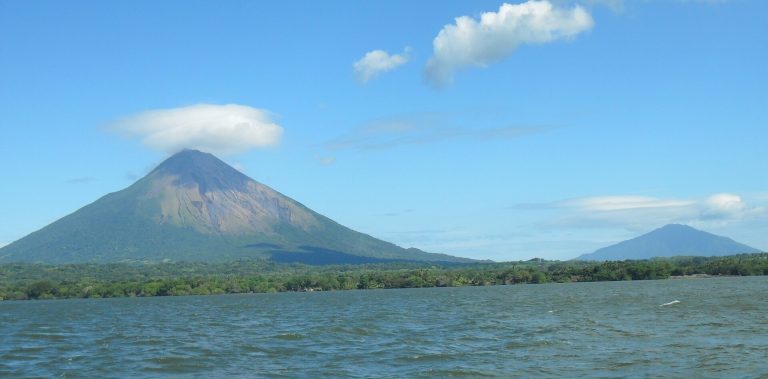
Featured photo: Big Corn Island, Nicaragua, by Ridiculopathy, CC0, via Wikimedia Commons.