
The cost of a Nepal trek depends on route length, altitude, permits, guide and porter support, transport, accommodation and the season you choose. A realistic worksheet starts with fixed costs, then adds a daily band for lodges, meals and local transport, plus insurance, gear and a contingency for weather or itinerary changes.
Build your Nepal trek cost worksheet
Price each line for your route and dates before booking flights. Keep quotes in the same currency and record whether tax, meals, transport or equipment is included.
| Cost category | What to include | What changes the total |
|---|---|---|
| Entry and permits | Nepal entry visa, trekking permits, conservation-area or national-park fees | Nationality, route, duration and the current fee schedule |
| Guide and porter | Licensed guide, porter support, tips and insurance for staff where applicable | Group size, route difficulty, baggage weight and whether a local operator bundles the service |
| Flights and ground transport | International flight, Kathmandu airport transfer, buses, jeeps and mountain flights | Departure city, season, road conditions and whether you choose a flight to Lukla or a road route |
| Accommodation | Kathmandu hotel, teahouses, lodges and extra nights for acclimatisation or delays | Room type, altitude, availability and whether you share a room |
| Food and water | Meals, hot drinks, snacks, bottled or treated water and charging | Altitude, remoteness, dietary needs and the number of meals included in a package |
| Insurance | Trekking cover, medical treatment, evacuation and the maximum altitude named in the policy | Route altitude, activities, age, trip length and exclusions |
| Gear | Boots, layers, sleeping bag, poles, pack and technical items | What you already own, rental quality and the season |
| Contingency | Weather delays, extra nights, damaged gear, medication and route changes | A high-altitude route and a tight flight connection need a larger buffer |
Fixed costs and daily costs
Separate the costs you pay before departure from the costs you manage each day. Permits, insurance, international flights and guide arrangements belong in the fixed-cost column. Lodges, meals, snacks, showers, charging and local transport belong in the daily column. This makes it easier to compare a short trek with a longer route that spreads the flight and gear cost over more days.
Use the official Nepal Tourism Board information and the Department of Immigration before paying for a visa or permit. Conservation-area and national-park offices publish route-specific rules. A trekking company can explain logistics, but the government pages remain the reference for eligibility and current fees.
Route comparison: where the budget changes
The route determines altitude, transport, permit requirements and the length of your support team’s work. Use this table as a first filter, then open the detailed guide for the itinerary and current source links.
| Route | Typical planning window | Main cost drivers | Continue with |
|---|---|---|---|
| Poon Hill | 4–5 days | Road transfer from Pokhara, lodges, permits and a short guide arrangement | [Poon Hill trek guide](/poon-hill-trek/) |
| Annapurna Base Camp | 7–12 days | Road access, sanctuary permits, teahouses and altitude planning | [Annapurna Base Camp guide](/annapurna-base-camp-trek/) |
| Langtang Valley | 7–10 days | Road transfer from Kathmandu, Langtang permits, lodges and a guide or porter | [Langtang Valley guide](/langtang-valley-trek/) |
| Annapurna Circuit | 10–14 days | Long ground transfers, conservation permits, guide support and the high-pass section | [Annapurna Circuit guide](/annapurna-circuit-guide/) |
| Everest Base Camp | 12–16 days | Lukla or road-and-trail logistics, Sagarmatha fees, guides, porters and acclimatisation days | [Everest Base Camp cost guide](/everest-base-camp-trek-cost/) |
| Manaslu Circuit | 14–18 days | Restricted-area paperwork, licensed guide requirement, transport and longer remote sections | [Manaslu Circuit guide](/manaslu-circuit-trek/) |
| Everest Three Passes | 18–21 days | Multiple high passes, longer support, acclimatisation days and weather flexibility | [Everest Three Passes guide](/everest-three-passes-trek/) |
Route duration varies with acclimatisation, road closures, weather and the pace of your group. A shorter itinerary can cost more per day when it uses flights and private transport. A longer route can lower the average daily transport cost while increasing nights, meals and staff days.
Planning a seven-day trek
A seven-day plan suits Poon Hill, a compact Langtang itinerary or an abbreviated Annapurna Base Camp route. Start with two columns:
- Add the Kathmandu hotel nights, road transfers and permit fees.
- Price seven trekking days of lodging, meals, water, charging and showers.
- Add a guide or porter quote with the number of working days and the agreed baggage limit.
- Check the insurance policy’s altitude and evacuation wording.
- Add a spare night in Kathmandu and a weather buffer before an international departure.
Seven-day routes need careful transport timing. A road delay can remove a full trekking day, so leave space for an overnight return to Kathmandu rather than booking a same-day international connection.
Planning 10 to 14 days
Ten to fourteen days covers the Annapurna Circuit, Annapurna Base Camp, Langtang Valley or a standard Everest Base Camp plan depending on acclimatisation. The biggest planning differences are transport and staff days.
- Compare a road transfer with a flight by looking at total time, baggage and the cost of an extra hotel night.
- Ask whether the guide quote includes permits, transport, accommodation and meals for the guide, or whether those appear as separate lines.
- Add acclimatisation days at the altitude shown in the route plan.
- Price an extra two or three nights for weather and road delays.
- Keep a separate emergency reserve that is accessible in cash and by card where possible.
The route page for each trek gives a more useful itinerary than a single national average. Start with the [Best Treks in Nepal comparison hub](/best-treks-in-nepal/) if you are deciding between regions.
Planning 18 to 21 days
The Everest Three Passes route and longer Manaslu plans need more flexibility. High passes can close because of snow, and remote sections have fewer accommodation choices. Your Nepal trek cost should therefore include extra staff days, additional meals, a route contingency and a plan for transport changes.
Confirm these items in writing with the operator:
- the exact route and maximum altitude;
- the permit and conservation-area documents they will arrange;
- guide and porter insurance and the baggage limit;
- accommodation standards and meal coverage;
- the weather or illness policy for delays;
- the rescue process and the insurer details they expect you to carry.
The [Manaslu Circuit guide](/manaslu-circuit-trek/) explains its restricted-area planning, while the [Everest Three Passes guide](/everest-three-passes-trek/) sets out the longer Khumbu route and altitude sequence.
Gear, insurance and cash planning
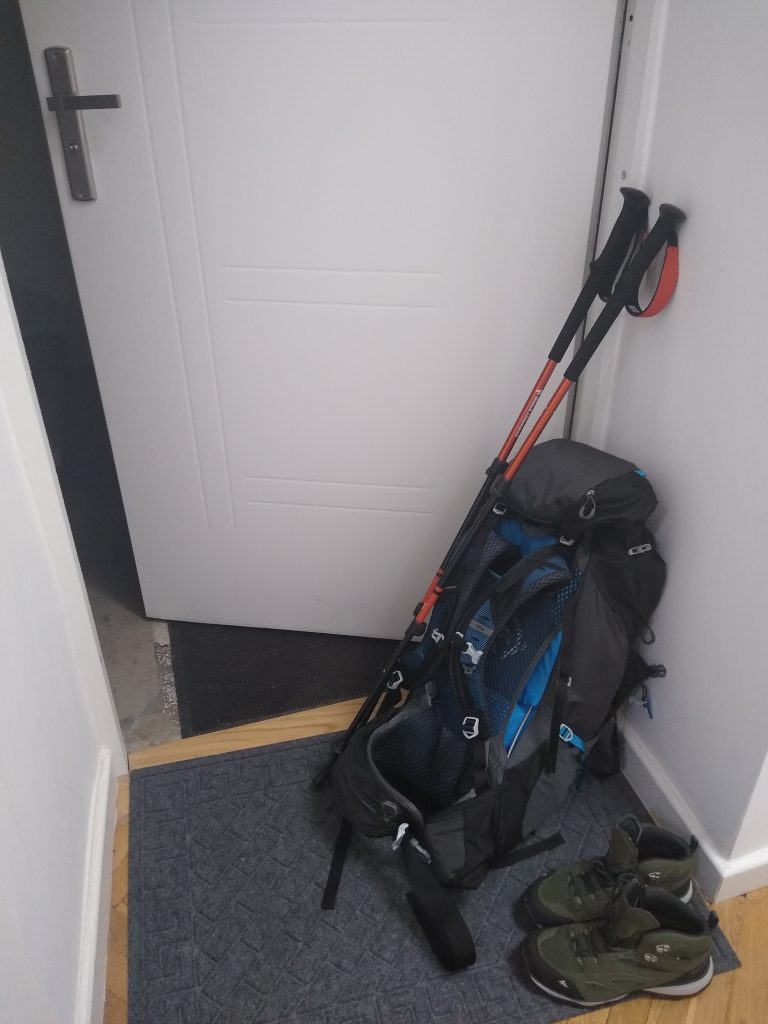
Gear is a one-time cost for many travellers, so show it separately from the trek package. Boots, layers, gloves, a sleeping bag, poles and a pack can be bought, borrowed or rented. Check the rental return policy and inspect footwear before committing to a high-altitude route.
Insurance needs a specific trekking and evacuation clause. Read the maximum covered altitude, whether a guide is required, how the insurer defines a pre-existing condition and which activities are excluded. Save the policy number and emergency instructions offline.
Carry a mix of payment methods. Remote lodges may have limited connectivity and card acceptance. Ask the operator how much cash is practical for the route, then keep a separate reserve for an extra night, a vehicle change or medicine.
Official planning sources
- Nepal Tourism Board for destination and trekking information.
- Department of Immigration for entry visas and current immigration guidance.
- Nepal Tourism Board trekking information for government updates and route administration.
- The relevant conservation-area or national-park office for current permits and local notices.
Review these pages close to departure because visa, permit, weather and transport rules can change. Keep a copy of every permit, insurance document and operator contact in your phone and in a separate offline file.
Frequently Asked Questions
How much does a Nepal trek cost in 2026?
There is no single Nepal trek cost because a four-day Poon Hill route and a three-week high-pass itinerary have different permits, transport, staff days and accommodation. Build a worksheet from fixed costs, daily costs and a contingency, then use official fees and a current operator quote for your route.
Is a guide required for trekking in Nepal?
Guide requirements depend on the route and current Nepalese rules. Restricted areas and some protected routes require licensed local support, while other routes have different arrangements. Check the current Nepal Tourism Board and conservation-area guidance before booking, then confirm the requirement in writing with your operator.
What are the biggest costs on a Nepal trek?
International and domestic transport, permits, guide and porter support, accommodation, meals, insurance and gear make up most budgets. Flights to remote trailheads and longer high-altitude routes usually raise the total. A route with road access can change the transport line while adding road time.
How much cash should I carry on a Nepal trek?
The right amount depends on the route, package inclusions and current lodge payment options. Ask the operator for a daily estimate and a delay reserve, then carry a mix of cash and backup payment methods. Keep enough for an extra night, food, transport changes and medicine.
Does travel insurance cover high-altitude trekking?
Some policies cover trekking only up to a named altitude and may require a licensed guide or exclude certain activities. Read the altitude limit, evacuation terms, medical exclusions and claim process before departure. Keep the policy details and emergency number accessible offline.
Which Nepal trek is best for a lower budget?
Shorter routes with road access often reduce flight and staff costs, while longer or remote routes add nights, permits and transport. Compare Poon Hill, Langtang Valley and Annapurna Base Camp first, then match the route to your available days, altitude comfort and required support.
Reviewed November 2026. Official fees, permits, visa rules, weather and transport can change; check the linked government sources for your route and dates.
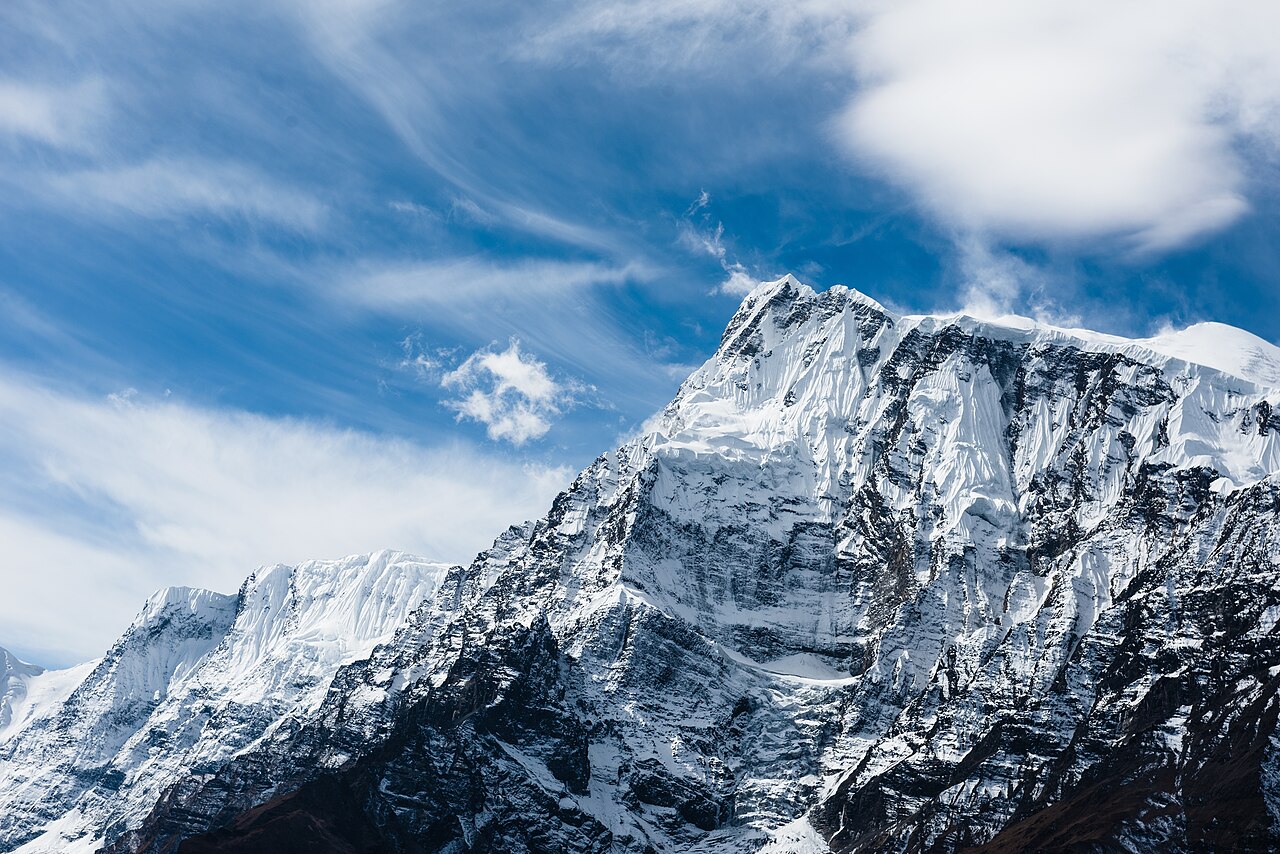
Featured photo: Annapurna II seen during the Annapurna Circuit Trek by Udhabkc, CC BY-SA 4.0, via Wikimedia Commons.