
Travel Vietnam by motorbike only when your licence, helmet, insurance and riding experience match the route. The current U.S. advisory says riding a moped or motorbike without a Vietnamese driver’s licence is illegal and insurance may not pay after an accident. Check the legal requirements first, then choose a short, weather-aware route.
Guided, passenger or self-riding: which fits you
Guided ride with your own bike. A guide leads and handles route choices. This suits riders with some experience who want mountain roads without planning every stop.
Passenger (back-of-bike) tour. A local rider drives and you sit behind. This is the simplest way to see the Ha Giang loop if you have never ridden in Vietnam, and it keeps the licence question off your plate. Ask the operator how long each riding day is and whether helmets are supplied.
Self-riding. You rent a bike and ride on your own. This gives the most freedom and asks the most of you: a valid licence for the vehicle class, comfort with mixed traffic of trucks, buses, scooters and animals, and confidence on wet, narrow roads. If you have never ridden a geared bike, learn at home before you come.
If you would hesitate to ride a similar road at home, take a guide or ride as a passenger.
Three route shapes
Ha Giang loop (about 3 to 5 days)
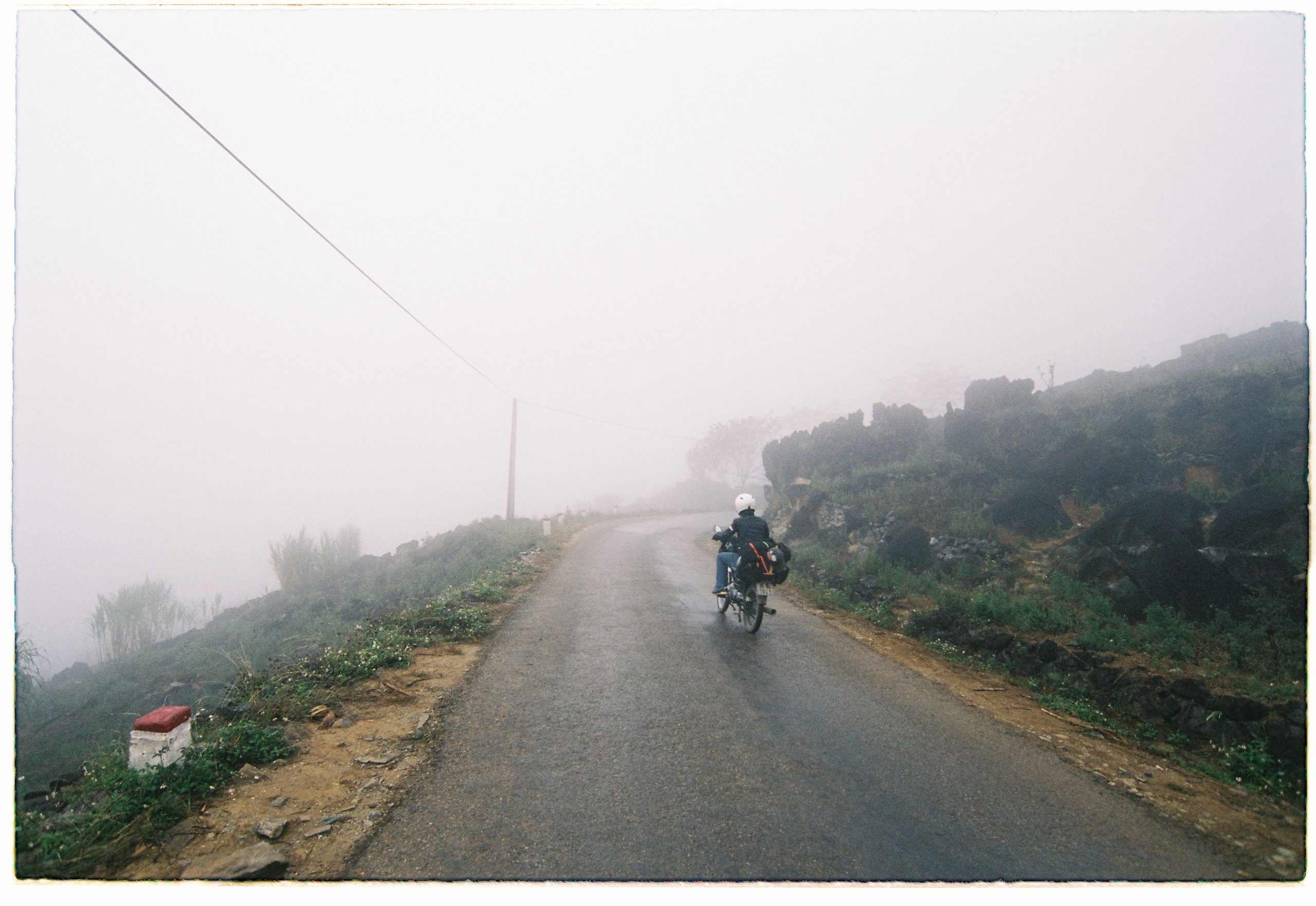
A mountain circuit in Vietnam's far north, known for steep passes, tight bends and long days in the saddle. Ma Pi Leng Pass is the section to plan around: give it daylight, dry weather and a rested rider. Most people allow three days at the quick end and four or five if they want time to stop and walk. Fog and rain can slow the road, so build in a spare day. Our full write-up is in the Ha Giang loop guide.
Central Vietnam: Da Nang, Hoi An and Hue (about 1 to 2 days of riding)
The roughly 130 km from Da Nang through Hoi An to Hue is the easiest first ride in this guide: the roads are less steep than in the north and towns are close together for breaks. Ride Da Nang to Hoi An first, then north to Hue over Hai Van Pass, and spend your remaining days in the cities. Read up on Hoi An and Hue to decide how long to stay at each end. Traffic around Da Nang and on the main highway can be heavy, so leave early and finish before dark.
North to south (about 10 to 14 days)
A long plan that links Hanoi, the central coast and the south. At this length you ride on most days, so fatigue, weather and bike reliability decide how the trip goes. Break it into stages and take a bus or train past the busiest highway sections. One-way rentals and bike drop-offs need arranging in advance with the operator. Compare it with the wider Vietnam travel itinerary.
Route comparison
| Route | Best for | Typical days | Main planning issue |
|---|---|---|---|
| Ha Giang loop | Mountain scenery, guided or passenger trips | 3 to 5 | Steep, wet roads and fog; hire a guide if inexperienced |
| Da Nang – Hoi An – Hue | First ride, coast and culture | 1 to 2 | Heavy traffic near cities; short daylight riding windows |
| North to south | Experienced riders with time | 10 to 14 | Bike reliability, fatigue and one-way logistics |
Licence and legality
Vietnam's rules for road users changed with the Law on Road Traffic Order and Safety (No. 36/2024/QH15), and separate rules cover foreign-registered vehicles brought in for tourism: the Law on Road Traffic Order and Safety 2024 and Decree 30/2024/ND-CP.
- Licence class. Bikes above 50cc need a motorcycle class on your national licence: A1 for bikes up to 125cc, A above that.
- IDP. Carry an IDP issued under the 1968 Vienna Convention together with your national licence.
- Insurance. Riding without valid papers can void your insurance and leave you exposed after an accident, even when a rental shop hands over the keys without checking.
Rules and enforcement change, so confirm the details with your rental or tour operator and your insurer before you pay a deposit.
Pre-departure checklist
- Helmet. Wear a properly fitted, certified helmet on every ride, as rider and passenger. Check the chin strap and the padding.
- Licence documents. National licence, IDP, passport and visa or entry stamp, plus the bike's registration papers. Keep photos on your phone.
- Insurance. Policy wording that explicitly covers motorcycle riding in Vietnam, in your licence class.
- Rain layer. A jacket and trousers that fit over your riding gear, plus waterproof bags or covers.
- Offline map. Download your route in your maps app so it works without signal in the mountains.
- Emergency contact. Save the local emergency numbers, your embassy details, your operator's phone number and one person at home who knows your plan.
- Bike inspection. Before leaving, check brakes, tyres, lights, horn, mirrors, chain and oil. Photograph any existing damage and ask for a spare key.
- Fuel. Fill up at towns before mountain sections. Stations can be far apart on remote stretches.
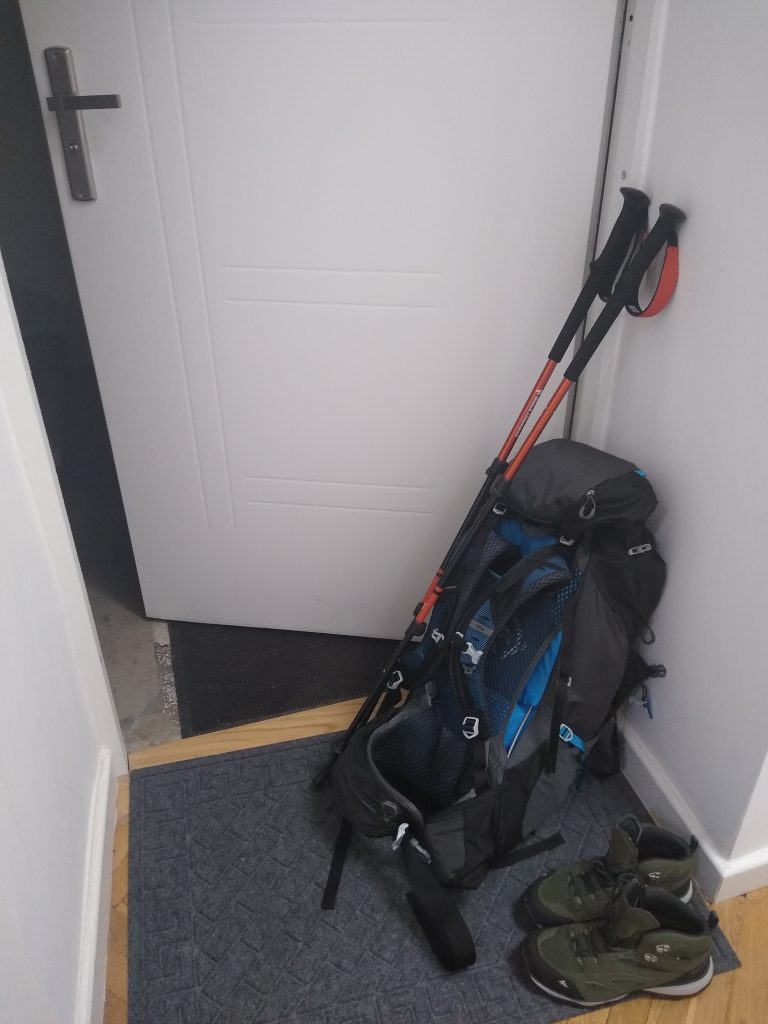
- Luggage. Pack light and strap bags low and centred. A heavy backpack tires you quickly on long days.
Riding safely on Vietnamese roads
Ride slower than you think you need to. Use your horn to announce yourself, and expect others to do the same. Keep to daylight hours, since unlit vehicles and animals on the road make night riding risky. After heavy rain, watch for mud, gravel and landslide debris on mountain roads. Take a break every hour or two and skip the day's last leg if you are tired. Never ride after drinking.
Official sources
- Vietnam Tourism: Transport within Vietnam
- Law on Road Traffic Order and Safety 2024 (No. 36/2024/QH15)
- Decree 30/2024/ND-CP on foreign-brought road motor vehicles for tourism
Next step
Read the Ha Giang loop guide for day-by-day planning on Vietnam's best-known motorbike route.
FAQ
What licence do I need to ride a motorbike in Vietnam?
You need your national licence with a motorcycle class (A1 for bikes up to 125cc, A above that), carried with an IDP issued under the 1968 Vienna Convention. A car-only licence does not allow you to ride a bike above 50cc.
What is the safest route for a first ride?
The central coast between Da Nang, Hoi An and Hue. The roads are less steep than in the north and towns are close together. Ride in daylight, keep days short and avoid city rush hours.
How long does the Ha Giang loop take?
Plan 3 to 5 days. Three days covers the main circuit at a brisk pace. Four or five days leave time for stops, weather delays and shorter riding hours.
Should I rent a bike or take a guided tour?
Take a guided tour or ride as a passenger if you are new to Vietnamese roads, or if you do not hold a matching licence. Rent only if you have the right licence, riding experience, and insurance that covers the trip.
What should motorbike insurance cover?
Look for cover for motorcycle riding in Vietnam in your licence class, medical treatment and evacuation, third-party liability and damage to or theft of the rented bike. Read the exclusions on licence, engine size and alcohol before you travel.
Featured photo: Hà Giang, Vietnam by Khánh Hmoong, CC BY 2.0, via Wikimedia Commons.