
Reviewed November 2026.
Where to travel in Vietnam depends on the season, the number of days and the experience you want. Hanoi and Ninh Binh suit a first northern route, Hoi An and Hue make a strong central section, and Ho Chi Minh City and the Mekong Delta work well in the south. Choose two regions for a 10-day trip.
Start with the shape of your trip
Vietnam rewards a route built around geography. The country is long, and overland travel between the north, centre and south takes time. Pick one region for a short break, or connect two regions with a flight and a slower ground leg. Use Vietnam Tourism for destination context, then compare our Vietnam travel guide and Vietnam itinerary for route choices.
| You want | Start with | Add next |
|---|---|---|
| Old streets and food | Hanoi | Ninh Binh or Ha Long Bay |
| Limestone scenery | Ninh Binh | Ha Long Bay or Hanoi |
| Lantern streets and beaches | Hoi An | Da Nang or Hue |
| Imperial history | Hue | Hoi An or Da Nang |
| Big-city food and museums | Ho Chi Minh City | Can Tho or the Mekong Delta |
| Island downtime | Phu Quoc | Ho Chi Minh City |
Northern Vietnam
Hanoi
Hanoi is the easiest starting point for a first northern trip. The Old Quarter, lakes, museums and food streets give you a full introduction without long transfers. Use the city for two or three nights, then decide whether your next stop should be the karst landscapes of Ninh Binh or a longer bay and island route.
Ninh Binh
Ninh Binh is the practical choice for limestone scenery, river landscapes and a slower pace close to Hanoi. Base yourself near Tam Coc or Trang An and allow time for a boat trip, viewpoints and Hoa Lu. Our Ninh Binh guide explains how to fit the area into a short northern route.
Ha Long Bay and Lan Ha Bay
Choose a bay cruise when the water, limestone islands and an overnight boat are central to the trip. Compare the sailing route, transfer time and weather policy before booking. A bay stop works as a two-day addition to Hanoi, with the final schedule shaped by sea conditions and operator updates.
Ha Giang
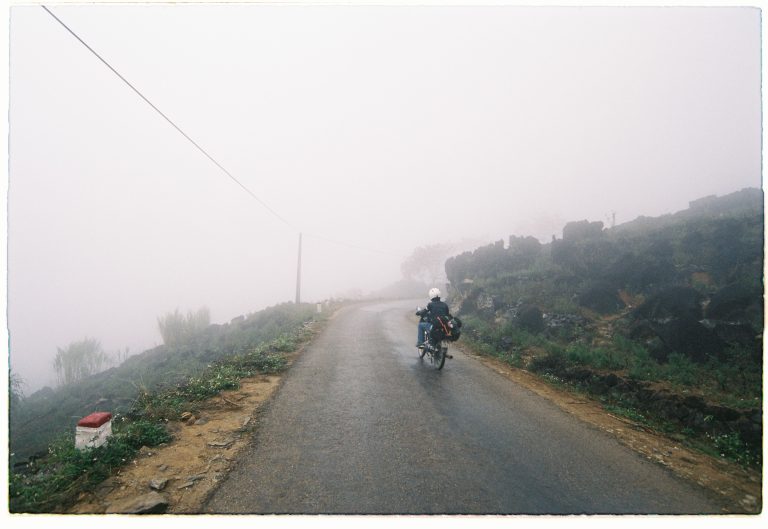
Ha Giang suits travellers who want mountain roads, highland scenery and a multi-day loop with a local operator. The roads and weather require preparation, and the route deserves more time than a quick day trip. Read our Ha Giang loop guide before choosing a self-drive or guided plan.
Central Vietnam
Hoi An
Hoi An combines a preserved trading-town centre, riverside evenings, food, craft villages and nearby beaches. It is one of the most flexible stops in Vietnam: stay for a short cultural visit or use it as a base for a longer central route. Our Hoi An guide covers the town, coast and nearby heritage sites.
Da Nang
Da Nang is the central transport hub for beaches, city food and day trips to Hoi An, the Marble Mountains and the Hai Van Pass. It suits visitors who prefer a modern base with easy onward connections. Add it to Hoi An when you want more beach time or a shorter transfer between central sights.
Hue
Hue is the right choice for imperial history, river walks and a slower food-focused stop. The citadel, royal tombs and local dishes give the city a clear identity. Combine Hue with Da Nang and Hoi An on a central itinerary, checking road and weather conditions for the Hai Van crossing.
Phong Nha
Phong Nha is for cave landscapes, national-park scenery and active days. It needs more planning than the major cities because tours, park access and weather shape what is possible. Choose it when caves and outdoor time are a priority, then allow a travel buffer before your next region.
Southern Vietnam
Ho Chi Minh City
Ho Chi Minh City brings together museums, markets, neighbourhood food and a busy urban rhythm. It works as a southern gateway or a stand-alone long weekend. Spend time on both central sights and a neighbourhood food route, then use the city as the starting point for the Mekong Delta.
Can Tho and the Mekong Delta
Can Tho is a useful base for river life, markets and a slower contrast to Ho Chi Minh City. Confirm the timing of any floating-market visit with your operator, then keep the route flexible around river and weather conditions. Our Can Tho guide includes a practical two-day framework.
Phu Quoc
Phu Quoc suits a beach-led finish with a separate island rhythm. Check the season, transfer plan and accommodation location before adding it to a packed mainland itinerary. Pair the island with Ho Chi Minh City when you want a short city-and-coast trip rather than a cross-country route.
Choosing a route by trip length
- 5–7 days: stay in one region. Hanoi–Ninh Binh or Ho Chi Minh City–Can Tho keeps transfers manageable.
- 10 days: connect two regions. Hanoi–Ninh Binh–Hoi An or Ho Chi Minh City–Can Tho–Phu Quoc are clear combinations.
- Two weeks: add a third region only if one long flight replaces several long road legs. Leave a weather buffer around boat and mountain days.
The best time to travel to Vietnam guide helps you choose between north, centre and south for your dates. The Vietnam travel tips page covers entry, transport, money, connectivity and packing checks before you book.
Official planning sources
Use Vietnam Tourism for destination context and seasonal planning, and check the official transport guidance before fixing long transfers. UNESCO also lists the Trang An Landscape Complex and Hoi An Ancient Town; use those records for heritage-site context and current visitor information.
Where to travel in Vietnam: frequently asked questions
Where should first-time visitors travel in Vietnam?
Hanoi, Ninh Binh, Hoi An and Ho Chi Minh City create a balanced first route with food, history, scenery and easy transport links. Choose two regions for 10 days and add a third only when a flight makes the schedule comfortable.
Is northern or southern Vietnam better?
Northern Vietnam suits limestone scenery, historic streets and mountain routes. Southern Vietnam suits city food, the Mekong Delta and a beach finish. The best choice follows your season, trip length and preferred pace.
How many places should I visit in 10 days?
Plan two main bases and one short add-on. This leaves time for transfers, weather changes and the activities that make each place worthwhile. A north-and-centre or south-and-island pairing is easier than crossing the entire country by road.
What is the best beach destination in Vietnam?
Phu Quoc is a straightforward island choice, while Da Nang and Hoi An combine beaches with city and cultural stops. Check the seasonal weather and transfer time for your dates before choosing the coast.
Should I visit Vietnam north to south or south to north?
Either direction works. Choose the arrival airport with the best connection and build the route around the season. A domestic flight can connect distant regions, while trains and shorter transfers are better for seeing the landscape between nearby stops.
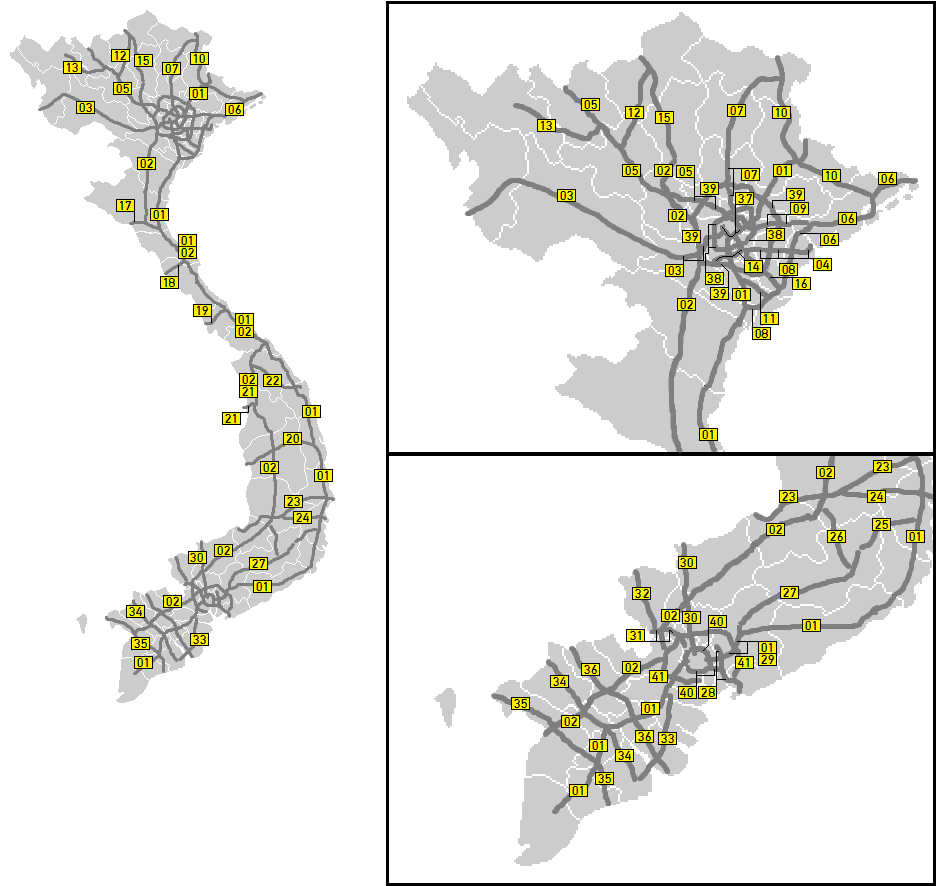
Featured map: Vietnam Expressway Map by Nima Farid, CC0, via Wikimedia Commons.
Riding option: travel Vietnam by motorbike with the licence, insurance and route checks in one place.