
Planning a colder sailing? Use this Alaska cruise packing list to add deck layers, rain gear and shore-excursion items to a general cruise bag.
Packing for a short break? Use this weekend trip packing list to plan a two- or three-night bag without carrying a full holiday load.
Planning a coast-focused break? Use this beach vacation packing list to separate swim, sun and water-safety essentials from your everyday bag.
Heading into the snow? Use this ski trip packing list to separate slope layers, travel bags and backcountry safety kit.
Pack for a road trip in two layers: shared gear that stays in the car (roadside tools, water, first-aid supplies, and paper backups) and one compact personal bag per passenger for overnight stops. Route weather, local driving laws, your vehicle owner's manual, and destination health guidance set the exact items you add.
Master Road Trip Packing Checklist (Printable)
Dividing shared car gear from personal bags keeps the cabin uncluttered and turns hotel or rental check-ins into one trip from the trunk. Soft-sided duffels and structured daypacks compress cleanly into tight trunk spaces; compare cabin-friendly options in our best travel backpacks guide. Copy or print this checklist and tick off each zone as you pack.
Trunk and Cargo Area (Vehicle and Roadside)
- Flashlight with spare batteries
- Jumper cables or portable jump starter
- Reflective warning triangles or road flares, plus a bright cloth or white flag
- Tire pressure gauge and spare tire tools (or factory inflator kit)
- Work gloves, clean rags, ground mat, multi-tool, duct tape, and tie-down straps
- Extra drinking water and emergency blankets
- Insulated cooler with ice packs (for chilled food)
- Route weather gear (rain shells, warm layers, rated washer fluid, ice scraper)
Glovebox and Cabin
- Driver's license, vehicle registration, proof of insurance, owner's manual, roadside assistance number
- Downloaded offline phone maps and a folded paper road map
- Phone mount, multi-port car charger, charging cables, and portable power bank
- Refillable water bottles, dry snacks, utensils, napkins, wet wipes, and sealable trash bag
- Sunglasses, tissues, toll pass, backup cash and coins, and a spare vehicle key (carried by a second passenger)
Health Kit (Inside Cabin)
- Prescriptions in original labeled containers, extra supply for delays, and generic drug list
- First-aid supplies (bandages, sterile gauze, medical tape, elastic wrap, antiseptic wipes, ointment, tweezers, blunt-tip scissors, digital thermometer)
- Over-the-counter basics (pain reliever, antihistamine, antacid, anti-diarrheal, motion-sickness tablets)
- Hand sanitizer (at least 60% alcohol), broad-spectrum sunscreen (SPF 15 or higher), lip balm, and insect repellent
Personal Bag (Per Passenger)
- Layered clothes, flat-soled driving shoes, sleepwear, and shared laundry bag
- Toiletries and a multi-port wall charger
- Paper copies of ID, health insurance card, and emergency contacts
Vehicle and Roadside Safety
The roadside kit, vehicle checks, and travel health items in this guide reflect National Highway Traffic Safety Administration (NHTSA) and Centers for Disease Control and Prevention (CDC) guidance checked on November 28, 2026.
- Signaling and visibility: Carry a flashlight with spare batteries, reflective warning triangles or road flares, and a bright cloth or white flag to mark a stopped vehicle.
- Tire and battery tools: Pack jumper cables or a portable jump starter, a tire pressure gauge, a spare tire with a working jack and lug wrench (or your vehicle's factory inflator kit), work gloves, clean rags, and a ground mat for kneeling on wet pavement.
- Basic tools and cargo security: Bring a multi-tool or screwdriver set, duct tape, and tie-down straps to keep roof boxes, racks, or trailer loads secured.
- Weather backups: Pack one emergency blanket per passenger, windshield washer fluid rated for your route's coldest temperatures, plus an ice scraper and snow brush for winter or mountain passes.
Mandatory vehicle safety equipment (such as high-visibility vests, warning triangles, or tire chains) varies by country, state, and mountain corridor, so check local driving laws and your roadside assistance coverage for your exact route before leaving.
Navigation and Documents
Cell service drops in national parks, rural highways, and mountain corridors. Store digital and paper backups together in the glovebox or a slim zippered pouch.
- Driver and vehicle papers: Carry a valid driver's license for every planned driver, current vehicle registration, proof of auto insurance, your rental agreement (when driving a rental), and the vehicle owner's manual.
- Offline route backups: Download offline map regions on each driver's phone, and keep a folded highway map or regional road atlas in the glovebox.
- Health and emergency records: Pack physical and digital copies of health insurance cards, written emergency contacts, and a short medical summary noting allergies and generic prescription names (aligned with CDC pre-travel advice).
- Payment and access backups: Bring primary and backup payment cards, small bills and coins for cash-only tolls, parking meters, or remote fuel stops, plus a spare vehicle key carried by a second passenger.
For cross-border drives, use our international travel packing list.
Clothing and Comfort
Long stretches behind the wheel reward flexible layers and soft bags that pack neatly into the trunk.
- Driving clothes: Wear breathable base layers, UV-blocking sunglasses, flat-soled shoes that grip pedals cleanly, and a light fleece or cardigan for strong cabin air conditioning.
- Trunk weather backups: Pack a rain jacket, sun hat, and one warm mid-layer per passenger.
- Stop-to-stop organization: Use packing cubes, one shared laundry bag for worn clothes, and slip-on sandals for rest stops. For two- or three-night loops focused on towns and cities, our 3-day one-bag packing list lays out compact outfits that leave trunk space open.
- Cabin comfort: Bring a compact travel pillow, a throw blanket for resting passengers, and a reusable tote for groceries.
Sleeping outdoors along the way adds tents, sleeping pads, and camp kitchen gear covered in our camping packing list.
Food, Water, and Health
- Water: Keep one refillable bottle per passenger in the cabin, plus extra drinking water stored in the trunk for delays or hot stretches.
- Road snacks: Pack low-mess options such as nuts, trail mix, crackers, whole fruit, and protein bars. For chilled food, pack a soft insulated cooler with ice packs in the trunk, and keep reusable utensils, napkins, wet wipes, and a sealable trash bag in the cabin.
- Prescription medicines: Following CDC Pack Smart and Yellow Book guidance, keep every prescription medicine in its original labeled pharmacy container, pack enough for the full trip plus extra days for delays, and carry copies of prescriptions showing generic drug names. Store medicines inside a durable, water-resistant pouch in the temperature-controlled cabin.
- First-aid and over-the-counter kit: Pack assorted adhesive bandages, sterile gauze, medical tape, elastic wrap, antiseptic wipes, antibiotic ointment, tweezers, blunt-tip scissors, a digital thermometer, pain and fever relievers, antihistamines, antacids, anti-diarrheal medicine, and motion-sickness tablets.
- Personal protection: Carry alcohol-based hand sanitizer (at least 60% alcohol), broad-spectrum sunscreen (SPF 15 or higher), lip balm, and insect repellent containing DEET, picaridin, or oil of lemon eucalyptus for wooded or coastal stops.
Electronics and Cabin Power
Group charging gear inside one console pouch so cables stay tidy and clear of the gearshift.
- Hands-free driving: Mount your phone on the dashboard or air vent clear of airbags and sightlines, paired with a short charging cable.
- Road and overnight power: Pack a multi-port USB car charger (matching your group's USB-A and USB-C cables), a charged portable power bank for roadside calls or walking stops, and a multi-port wall charger for hotel rooms.
- Offline audio: Pre-download playlists, podcasts, and audiobooks for dead zones, and bring headphones for resting passengers.
Traveling With Children or Pets
- Children: Confirm every child rides in an age- and size-appropriate car seat or booster seat, and seat children age 13 and under in the back seat per NHTSA guidance. Keep a window sunshade, spill-proof cups, wet wipes, spare outfits, and quiet screen-free activities within arm's reach.
- Pets: Pack a crash-tested pet harness or secured travel crate, collapsible water bowl, extra pet food, leash, waste bags, familiar blanket, vaccination records, and an updated ID tag.
- Parked-car heat safety: Take every child and pet out of the vehicle at every stop. Cabin temperatures climb to dangerous levels within minutes, even on mild days.
Final Before-Leaving Check
Complete these five checks before leaving, using your vehicle owner's manual for exact fluid types and service intervals.
- Check for open recalls: Enter your vehicle identification number in NHTSA's free lookup tool (NHTSA.gov/Recalls) to confirm your vehicle, tires, and car seats have no open safety recalls.
- Inspect tires and the spare: Check tread wear and measure tire pressure when tires are cold, matching the PSI listed on the placard inside the driver's door frame. Check the spare tire too.
- Verify fluids, wipers, lights, and hoses: Top off washer fluid, check oil and coolant levels per your owner's manual, test headlights, brake lights, and turn signals, and inspect wiper blades, belts, and hoses for cracks or bulges.
- Test battery and cabin safety systems: Confirm the air conditioning or heater works properly and secure the driver's floor mat clips so the mat stays clear of the pedals.
- Load with visibility intact: Place heavy bags low and forward in the trunk, lash exterior loads tightly, and keep the rear window clear.
Frequently Asked Questions
What should stay in the car versus a personal bag on a road trip?
Keep roadside tools, backup water, the cooler, paper maps, charging cables, and the first-aid kit in the vehicle. Pack clothes, toiletries, sleepwear, personal electronics, and ID copies inside each passenger's overnight bag so check-ins take one trip.
How much water and food should you pack for a road trip?
Pack one refillable water bottle per passenger in the cabin, plus extra drinking water and nonperishable food in the trunk for rural stretches or road delays.
How should you pack prescription medications for a car trip?
Keep prescription medications in their original labeled pharmacy containers with enough supply for the trip plus extra days for delays, alongside written copies listing generic drug names. Store them in a water-resistant pouch inside the cabin.
What vehicle checks should you do before leaving on a road trip?
Check NHTSA.gov/Recalls for open recalls, match cold tire pressure to the driver's door-frame placard, inspect the spare tire, check oil, coolant, and washer fluid per your owner's manual, test lights and wipers, and clip the driver's floor mat securely.
What extra items are needed when driving across a border or camping?
For cross-border routes, follow our international travel packing list. For overnight stops outdoors, add the shelter and outdoor gear covered in our camping packing list.
Next Step
Pack the trunk roadside kit first, load each passenger's personal bag the evening before, and check route weather the morning you pull out. If you are still picking a budget-friendly destination to match your drive, browse our guide to cheap places to travel.
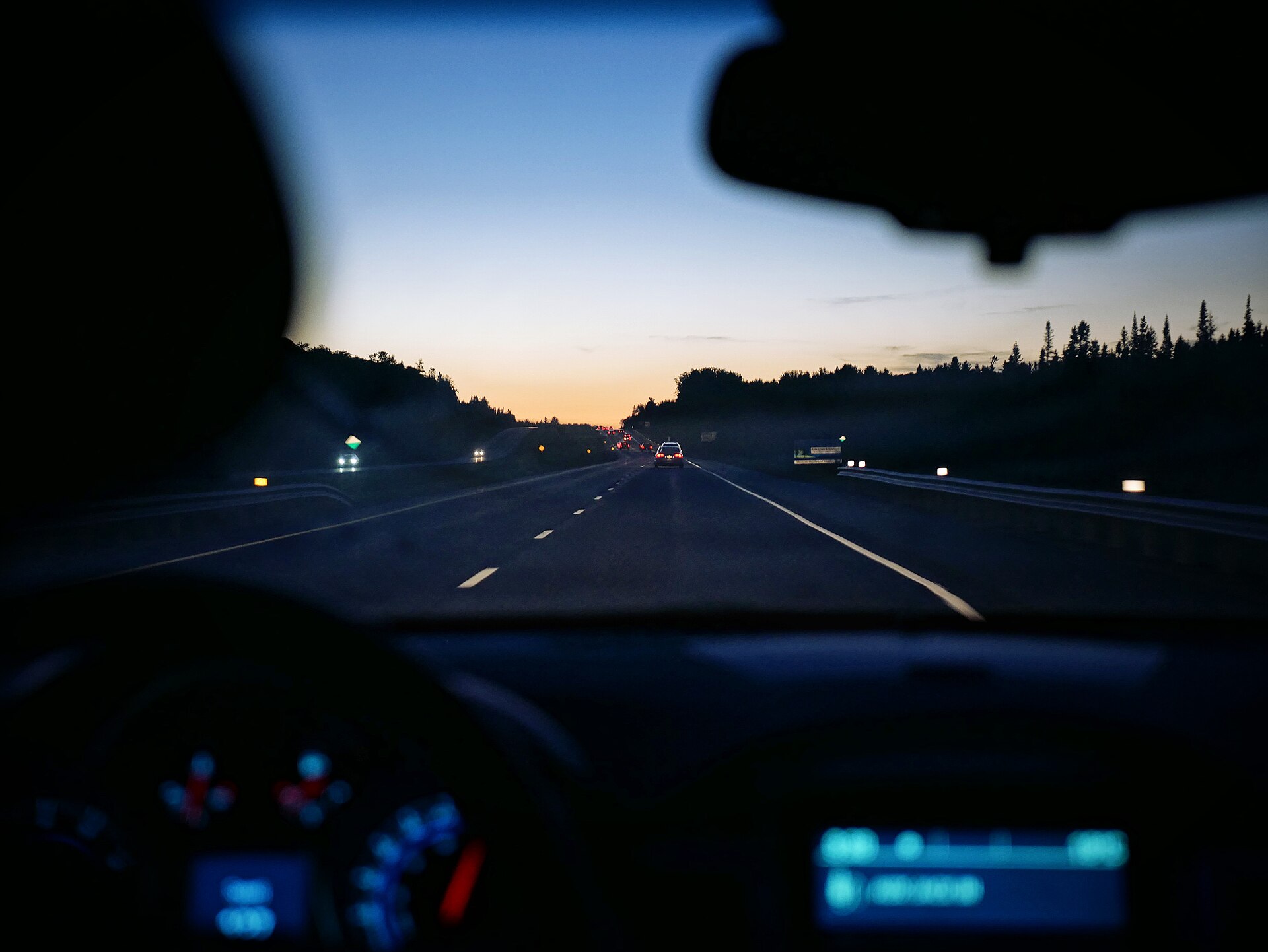
Featured photo: Evening car trip, by Patrick Tomasso, via Wikimedia Commons (CC0).