
Updated November 26, 2026
A practical first-time Vietnam travel itinerary runs north to south, starting in Hanoi and ending in Ho Chi Minh City. With 10 days, focus on four bases: Hanoi, Ninh Binh, Hoi An or Da Nang, and Ho Chi Minh City. With two weeks, add Hue or swap in an overnight Ha Long Bay trip while keeping travel days manageable.
We built both routes around official regional highlights from the Vietnam National Authority of Tourism and its Vietnam Highlights 10-day framework. Both plans use open-jaw international flights (arriving in Hanoi, departing from Ho Chi Minh City) to maximize your time on the ground.
For a first-trip checklist covering entry, transport, money and daily planning, see the Vietnam travel tips guide.
Choose your stops with our guide to where to travel in Vietnam, then check the Vietnam travel safety guide before booking transfers.
10-Day Vietnam Travel Itinerary at a Glance
Ten days covers three distinct regions if you keep your stops tight and fly between the north, center, and south.
| Days | Base | Main Focus | Transport |
|---|---|---|---|
| Days 1–2 | Hanoi | Old Quarter, Hoan Kiem Lake, Temple of Literature, street food | Airport transfer into central Hanoi |
| Days 3–4 | Ninh Binh | Trang An boat route, Tam Coc, Bich Dong Pagoda, Hang Mua viewpoint | Train or private van from Hanoi (about 2 hours) |
| Days 5–7 | Hoi An / Da Nang | Ancient Town, Marble Mountains, My Khe Beach, Ba Na Hills or Cham Islands | Return to Hanoi airport, fly to Da Nang (DAD), road transfer to Hoi An |
| Days 8–10 | Ho Chi Minh City | District 1 landmarks, War Remnants Museum, Cu Chi Tunnels or Mekong Delta day trip | Fly Da Nang (DAD) to Ho Chi Minh City (SGN) |
2-Week Vietnam Travel Itinerary at a Glance
A 14-day schedule adds central Vietnam’s former imperial capital, Hue, following the Heritage Sites of Vietnam route.
| Days | Base | Main Focus | Transport |
|---|---|---|---|
| Days 1–3 | Hanoi | Old Quarter, museums, French Quarter, coffee culture, recovery from jet lag | Airport transfer into central Hanoi |
| Days 4–5 | Ninh Binh | Trang An Landscape Complex, Bai Dinh, cycling through karst valleys | Train or van from Hanoi |
| Days 6–7 | Hue | Imperial City, Perfume River, royal tombs | Overnight train from Ninh Binh or flight from Hanoi to Hue (HUI) |
| Days 8–10 | Hoi An / Da Nang | Hai Van Pass road transfer, Hoi An Ancient Town, Da Nang coastline | Private car or train from Hue to Da Nang/Hoi An (about 3 hours) |
| Days 11–14 | Ho Chi Minh City | City districts, food markets, Cu Chi Tunnels, Mekong Delta day trip | Fly Da Nang (DAD) to Ho Chi Minh City (SGN) |
Day-by-Day Route Breakdown
Hanoi (2 to 3 Days)
Start in Hanoi to adjust to the time zone and learn how Vietnamese cities move. Walk the Old Quarter early in the morning before traffic peaks, circle Hoan Kiem Lake, and visit the Temple of Literature and the Ho Chi Minh Mausoleum complex. On a two-week trip, use the extra day for the Vietnam Museum of Ethnology and a slower afternoon around West Lake. See our Hanoi travel guide for neighborhood picks and local logistics.
Ninh Binh (2 Days)
Travel two hours south of Hanoi to Ninh Binh for limestone karsts, river caves, and rural lanes. Book a morning sampan boat trip at Trang An, a UNESCO World Heritage site highlighted by Vietnam Tourism’s Ninh Binh guide. Spend your second day cycling between Tam Coc and Bich Dong Pagoda, then climb the steps at Hang Mua in the late afternoon. Staying overnight lets you beat the day-trip buses from Hanoi. Read our Ninh Binh guide to choose between staying in Tam Coc or Trang An.
Hue (2 Days on the 14-Day Route)
On the two-week itinerary, head south to Hue for Vietnam’s royal history. Dedicate one morning to the Imperial City inside the Citadel, then visit the tombs of Minh Mang and Khai Dinh along the Perfume River. From Hue, travel south to Da Nang and Hoi An via the coastal Hai Van Pass. Plan your stops with our Hue guide.
Hoi An and Da Nang (3 Days)
Base yourself in either Hoi An for pedestrian-friendly lantern streets and tailoring shops, or Da Nang for wide beaches and direct airport access. They sit about 45 minutes apart by car. Use one day for Hoi An’s Ancient Town and riverside markets, one day for Marble Mountains and My Khe Beach in Da Nang, and one flexible day for a cooking class, cycling to Tra Que Vegetable Village, or resting.
Ho Chi Minh City (3 to 4 Days)
Fly south into Tan Son Nhat International Airport (SGN) to finish in Ho Chi Minh City. Spend your first full day in District 1 covering the War Remnants Museum, Independence Palace, Ben Thanh Market, and the Central Post Office. Use your second day for a half-day trip to the Cu Chi Tunnels or a full-day excursion into the Mekong Delta. On a 14-day trip, keep your final day free for District 3 cafes, Chinatown (Cholon), and packing before your flight home.
Swapping in Ha Long Bay on the 2-Week Route
If limestone islands at sea are a priority, add a 1-night Ha Long Bay or Lan Ha Bay cruise to the 14-day itinerary. To keep the pace realistic, remove Hue from the schedule. Run the northern loop as Hanoi (2 days), Ha Long Bay (2 days / 1 night), and Ninh Binh (2 days), then fly from Hanoi (HAN) directly to Da Nang (DAD). Trying to squeeze Ha Long Bay, Ninh Binh, and Hue into a single 10-day trip turns half your vacation into highway transfers.
Best Time to Travel to Vietnam
Vietnam stretches more than 1,600 kilometers from north to south, so weather varies sharply by region at any given time of year.
- Northern Vietnam (Hanoi, Ninh Binh, Ha Long Bay): Expect four distinct seasons. Autumn (September to November) and spring (March to April) generally bring milder temperatures and lower rainfall. Winter (December to February) can be cool and overcast, while summer (May to August) is hot and humid with heavier rain.
- Central Vietnam (Hue, Da Nang, Hoi An): Dry, warm weather typically runs from February through August. Heavy rain and typhoon risk peak between September and December, when flooding can affect low-lying streets in Hoi An and Hue.
- Southern Vietnam (Ho Chi Minh City, Mekong Delta): Temperatures stay warm year-round. The dry season generally runs from December to April, and the wet season from May to November brings short, heavy afternoon downpours.
March and April often offer the most balanced conditions across all three regions at once, though every month has workable windows if you adjust your regional focus.
Vietnam Travel Budget Planning
Build a Vietnam travel budget around the parts of the trip that vary most: international flights, domestic transport, accommodation, food, activities, visa costs and insurance. Prices change by season, city, baggage allowance and booking date, so check the live fare or booking page before you commit.
- Flights and ground transport: Compare an open-jaw ticket with a return flight, then price domestic flights, trains, sleeper buses and airport transfers as one route. Include baggage and the time needed to reach each airport.
- Accommodation: Compare the same room type across Hanoi, Ninh Binh, Hoi An or Da Nang, and Ho Chi Minh City. Add taxes, breakfast, cancellation terms and the distance to your planned transport.
- Food: Use a mix of local meals, cafés and a few sit-down restaurants. Keep a separate allowance for drinks, market snacks and the days when you choose convenience near a station or airport.
- Activities: List entrance tickets, boat trips, museums, guided day trips and any cruise before you choose a route. Check whether transport and meals are included in a tour listing.
- Entry and cover: Confirm the current visa route for your passport on the official immigration portal, then price travel insurance that covers medical care, trip interruption and the activities you plan to do.
For regional cost context and a comparison with nearby countries, see our cheap Asian countries guide.
Practical Transport: Flights vs. Trains and Buses
- Domestic flights: Best for long hops like Hanoi to Da Nang or Da Nang to Ho Chi Minh City. Check baggage allowances carefully on budget carriers, as carry-on weight limits are strictly enforced. Add 60 to 90 minutes for airport transfers and check-in at Hanoi (HAN) and Ho Chi Minh City (SGN).
- Trains: Ideal for Hanoi to Ninh Binh (about 2 hours) and Hue to Da Nang (about 3 hours along the coast). Overnight sleeper trains between Ninh Binh and Hue save a hotel night; book 4-berth soft-sleeper cabins early during holidays.
- Buses and private vans: Limousine vans run frequently between Hanoi and Ninh Binh with hotel pickup. For Hue to Hoi An, a private car lets you stop at Hai Van Pass and Lang Co Beach along the way.
Visa and Entry Checkpoint
Many travelers qualify for a visa exemption or apply online for a tourist e-visa through the official Vietnam National Portal on Immigration at evisa.gov.vn or evisa.xuatnhapcanh.gov.vn. Always apply directly on the government portal and confirm your entry and exit ports match your flight tickets.
Vietnam issues tourist e-visas for short-term travel. If you plan to work remotely during your trip, review our Vietnam visa guide for remote workers before you book.
Frequently Asked Questions
Is 10 days enough for a Vietnam travel itinerary?
Yes, 10 days is enough to see northern, central, and southern Vietnam if you limit your bases to Hanoi, Ninh Binh, Hoi An or Da Nang, and Ho Chi Minh City, and use domestic flights between regions.
What should I add to a 2-week Vietnam itinerary?
With 14 days, add two nights in Hue to explore the Imperial City and drive the Hai Van Pass, plus an extra night in Hanoi and Ho Chi Minh City to slow down your pace.
When is the best time to travel to Vietnam?
March and April usually offer the most consistent weather across north, central, and south Vietnam at the same time. Outside spring, match your dates to your priority region since central Vietnam peaks in rainfall from September to December.
How should I plan a Vietnam travel budget?
Split your budget into international flights, domestic transport with baggage fees, accommodation, food, activity tickets, and visa plus insurance costs. Check live rates for your travel dates to lock in accurate totals.
Should I include Ha Long Bay on a first trip to Vietnam?
Include an overnight Ha Long Bay or Lan Ha Bay cruise on a two-week itinerary by swapping out Hue. On a 10-day trip, prioritize Ninh Binh for similar limestone karst scenery with shorter transfer times from Hanoi.
Next step: Start mapping your first three days with our Hanoi travel guide.
If you want to ride part of the route, compare the licence, weather and daylight checks in our Vietnam motorbike guide before choosing a leg.
\n
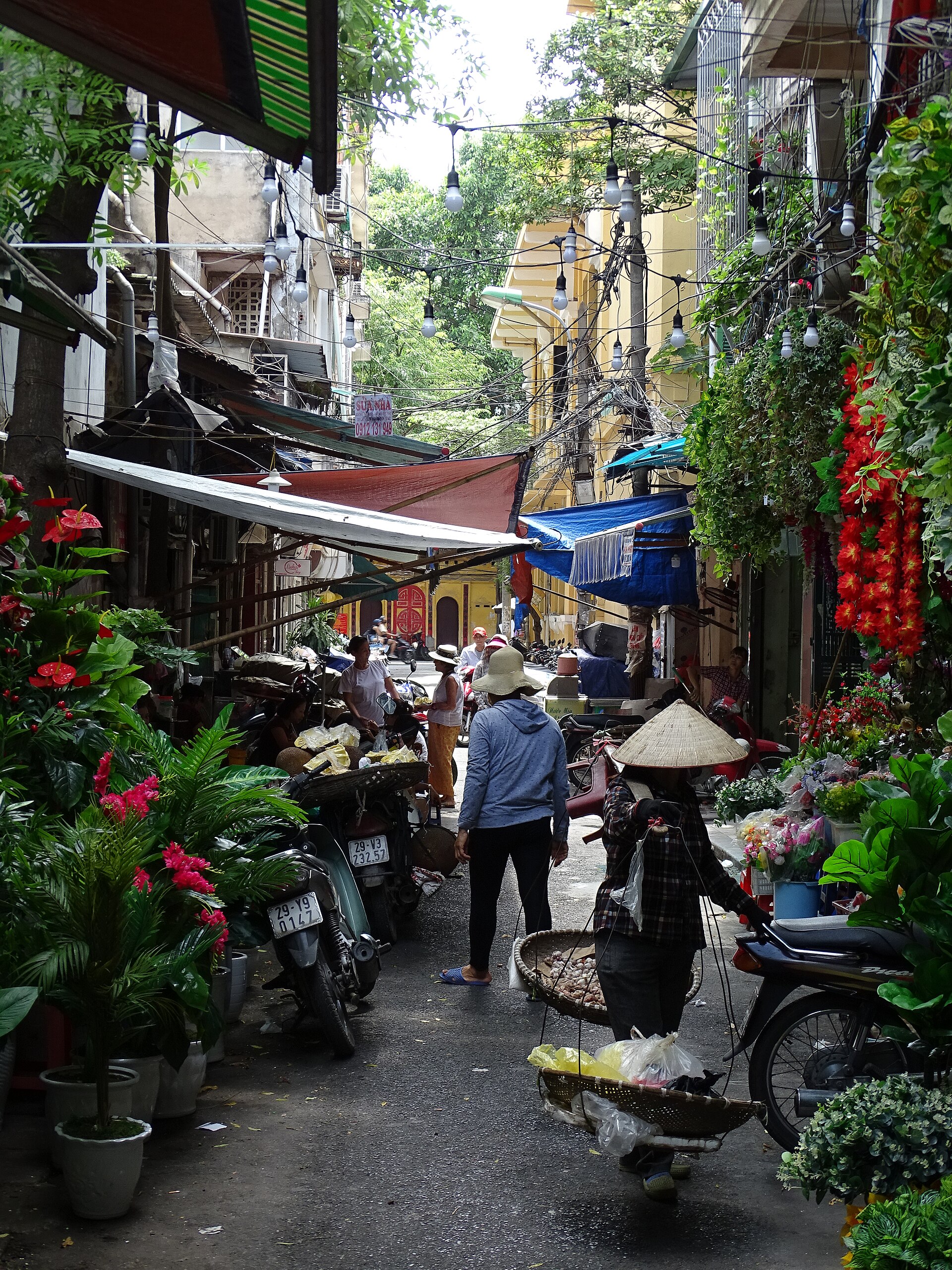
Featured photo: Old Quarter street scene in Hanoi by Adam Jones, CC BY-SA 2.0, via Wikimedia Commons.
Choosing dates? Use our best time to travel to Vietnam guide for regional weather and month-by-month planning.
Building a route? Use our Vietnam travel budget worksheet to price each stop before booking.
Start with our Vietnam travel guide for the regional overview, then choose a route.