
Da Nang is a practical base for central Vietnam. Spend two or three days combining the city’s beaches, Son Tra Peninsula and Marble Mountains, then add Hoi An or Hue if you have more time. The airport is close to the centre, and official tourism sources place the city between several major heritage sites.
Editorial review: This guide was checked against Vietnam Tourism, the Da Nang tourism information portal and UNESCO pages on 25 November 2026.

Why visit Da Nang?
Da Nang combines a working coastal city with long beaches, mountain viewpoints and easy connections to central Vietnam. Vietnam Tourism describes it as a commercial and tourism hub on the central coast, with Hoi An Ancient Town, My Son Sanctuary and the former imperial city of Hue within reach.
The city works well for different travel styles. A short stay can focus on the beach, food and Marble Mountains. A longer visit can use Da Nang as a base for Hoi An, Son Tra, Ba Na Hills or a route north toward Hue. Keep an eye on official opening information for attractions, because admission arrangements and operating hours change.
How many days do you need?
| Time | Good use of the days |
|---|---|
| One day | Sunrise or a beach walk, Marble Mountains, a central market or riverside evening, then an early night. |
| Two days | Add Son Tra Peninsula and keep a relaxed beach or food block in the evening. |
| Three days | Use the extra day for Hoi An, a second beach morning or a carefully checked Ba Na Hills visit. |
| Four or more days | Build a slower central-Vietnam base with Hoi An, Hue or My Son, checking transfer times before booking. |
A practical two-day Da Nang itinerary
Day 1: beach, city and Marble Mountains
Start along the coast while the air is cooler. My Khe and the wider beach frontage are the city’s easiest introduction, with cafés and accommodation close by. Leave enough time for a proper breakfast before heading south to Marble Mountains.
Vietnam Tourism describes Marble Mountains as five limestone peaks near the city, with caves, pagodas and viewpoints. Wear shoes with grip, carry water and allow time for steps and uneven surfaces. Check the official visitor information before travelling, especially if you plan to use an elevator or visit a particular cave.
Return to the city for the Han River and an evening meal. The city’s bridges are part of its modern identity, while the markets and neighbourhood restaurants make a better evening than trying to cover another distant attraction.
Day 2: Son Tra and a flexible afternoon
Use the morning for Son Tra Peninsula and the Linh Ung Pagoda area. Vietnam Tourism’s Da Nang guides recommend the peninsula for its coastal views and forested landscape. Travel slowly, follow local road and weather advice, and avoid treating a viewpoint as a guaranteed wildlife sighting.
Keep the afternoon flexible. Choose a second beach block, a food-focused walk or a short museum visit. If Hoi An is a priority, make it a separate day when possible; the old town is a living heritage site with its own crowd patterns and entry arrangements.
Best places to visit in Da Nang
- My Khe and the central beaches: an easy place to start a morning, swim where conditions permit and stay close to the city.
- Marble Mountains: caves, temples and limestone viewpoints south of the centre; use the official visitor information for current access details.
- Son Tra Peninsula: coastal roads, forested hills and the Linh Ung Pagoda area; allow extra time for weather and traffic.
- Han River: a useful evening walk with bridges, restaurants and a clear sense of the modern city.
- Hoi An: a separate heritage-town visit that pairs naturally with Da Nang; read our Hoi An travel guide before planning the transfer.
When is the best time to visit?
Da Nang’s coast, mountains and city streets create different conditions on the same day. Vietnam Tourism is the right place to check current seasonal guidance, while the city tourism portal publishes current attraction information. Plan outdoor viewpoints with a weather buffer, and avoid building a tightly timed day around a single cable car, cave or mountain road.
Beach time is easiest when the sea and weather cooperate. The wetter months can still support a city break, but a flexible schedule is more useful than a promise of clear skies. Check warnings and local advice before riding into the hills.
Getting around and choosing a base
Da Nang International Airport is close to the city centre. The official city tourism portal recommends using clearly marked taxis and checking the route before leaving the airport. Accommodation around the beach is convenient for early starts, while the central riverfront is better for restaurants, markets and evening walks.
For Marble Mountains, Son Tra or Hoi An, compare the full door-to-door journey rather than just the map distance. A short-looking route can take longer in traffic. If you rent a motorbike, follow local licensing and helmet rules and choose roads that match your experience.
Da Nang, Hoi An or Hue?
| Base | Best for | Choose it when |
|---|---|---|
| Da Nang | Beaches, city food, airport access and day trips | You want a practical, connected base. |
| Hoi An | Historic streets, riverside evenings and a slower town rhythm | The heritage town is the main reason for the trip. |
| Hue | Imperial history, river scenery and a quieter cultural stay | You want to spend more time on the former imperial capital. |
Many travellers combine them. Start with the base that matches your arrival and departure, then allow enough time for each place instead of counting three cities as one rushed itinerary.
Official sources and planning links
- Vietnam Tourism: Da Nang overview
- Vietnam Tourism: places to visit in Da Nang
- Vietnam Tourism: Marble Mountains
- Da Nang tourism portal: airport arrival guide
- UNESCO: Hoi An Ancient Town
Da Nang travel FAQs
How many days are enough for Da Nang?
Two full days cover the main city, a beach morning, Marble Mountains and Son Tra. Add a third day if you want Hoi An or a slower schedule.
Is Da Nang a good base for Hoi An?
Yes. Da Nang has the airport, a broad choice of accommodation and straightforward road connections. Give Hoi An its own block of time rather than treating it as a quick photo stop.
What is Da Nang best known for?
Da Nang is known for its beaches, Han River bridges, Son Tra Peninsula and Marble Mountains, as well as its position between Hoi An, Hue and My Son.
Can you visit Marble Mountains independently?
Many visitors plan it independently, but check the current official visitor information for access, opening arrangements and any paid sections before leaving the city.
Is Da Nang easy to reach from the airport?
Da Nang International Airport is close to the city centre. Use the airport’s official guidance and clearly marked transport, then allow extra time for traffic.
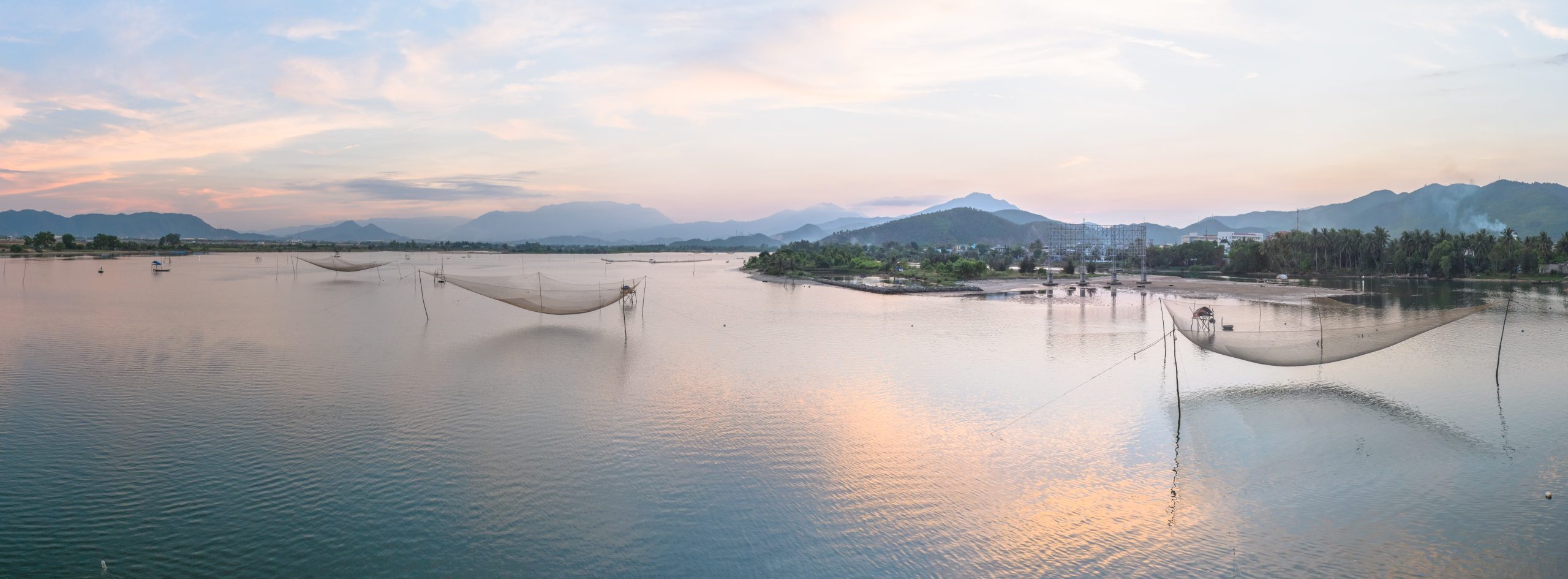
Featured photo: “Cu Đê River, Da Nang” by Christopher Crouzet via Wikimedia Commons, CC BY-SA 4.0.
Planning a longer route? Use our Vietnam travel itinerary for 10 days or two weeks to connect these stops.
Choosing dates? Use our best time to travel to Vietnam guide for regional weather and month-by-month planning.