
Updated: 26 November 2026
March to May is the strongest overall window for a whole-country Vietnam trip, with warm skies in the north, dry beach weather in the centre, and sunny days in the south. Because Vietnam stretches more than 1,600 kilometres from north to south, the best month depends on whether your itinerary centres on northern cities, the central coast, southern cities or Phu Quoc.
Vietnam has three distinct regional weather patterns.
Vietnam Weather Month by Month
Use this table to compare regional conditions and match each month to a trip style.
| Month | Northern Vietnam (Hanoi, Ha Long Bay, Sa Pa) | Central Vietnam (Hue, Da Nang, Hoi An) | Southern Vietnam & Phu Quoc | Best Trip Style |
|---|---|---|---|---|
| January | Cool to cold, misty, cloudy; cool and often misty in the mountains | Cool, rainy, cloudy; mist in Hue | Hot, dry, clear skies | Phu Quoc beaches, Mekong Delta, Ho Chi Minh City |
| February | Cool to cold, misty, cloudy | Cool and rainy early, warming toward late month | Hot, dry, clear skies | Southern beaches, city food travel, Mekong Delta |
| March | Cool to mild, misty; warming up | Warm, sunny, clear skies | Hot, dry, clear skies | Whole-country routes, Vietnam–Cambodia trips |
| April | Warm to hot, clear skies, sunny | Warm to hot, sunny, clear skies | Hot, dry, clear skies | Whole-country routes, Ha Long Bay, Sa Pa blooms |
| May | Warm to hot, clear skies | Warm to hot, sunny, clear skies | Hot and humid; afternoon rain starts in HCMC; Phu Quoc stays sunny | Whole-country routes, central coast beaches |
| June | Hot, humid, stormy/rainy in mid-to-late month | Hot, sunny, clear skies | Hot, humid, afternoon showers; Phu Quoc still sunny | Da Nang and Hoi An beaches, Phu Quoc |
| July | Hot, humid, rainy, stormy | Hot, sunny, clear skies (highs near 35°C) | Hot, humid, afternoon rain; stormy in Phu Quoc | Central Vietnam beaches (Da Nang, Hoi An, Hue) |
| August | Hot, humid, rainy, stormy | Hot, sunny, clear skies | Hot, humid, afternoon rain; stormy in Phu Quoc | Central Vietnam beaches and coastal cities |
| September | Warm to cool, clear skies, sunny | Cooler, rainy, cloudy; storm and flood risk begins | Hot, humid, afternoon rain; stormy in Phu Quoc | Northern cities, Ha Long Bay, Sa Pa trekking |
| October | Cool, clear skies, sunny, dry | Rainy, cloudy; high storm and flood risk | Afternoon rain in HCMC; Phu Quoc turns dry and sunny | Hanoi, Ninh Binh, Ha Long Bay, early-October Sa Pa harvest |
| November | Cool, clear skies, dry | Rainy, cloudy; continued flood risk | Rain easing in HCMC; Phu Quoc dry and sunny | Northern cities, Ha Long Bay, Phu Quoc |
| December | Cool to cold, misty, cloudy | Cool, rainy, cloudy | Hot, dry, clear skies | Phu Quoc, Ho Chi Minh City, Mekong Delta |
Northern Vietnam: Hanoi, Ninh Binh, Ha Long Bay, and Sa Pa
Northern Vietnam has four distinct seasons. April to June and September to November are the most reliable periods for Hanoi, Ninh Binh, and Ha Long Bay, with clearer skies and comfortable temperatures.
- April to June: Warm to hot days with clear skies. Days become warmer from April; check current conditions for the dates you plan to travel.
- June to August: Hot, humid, and rainy, with summer storms affecting Ha Long Bay and the northern mountains.
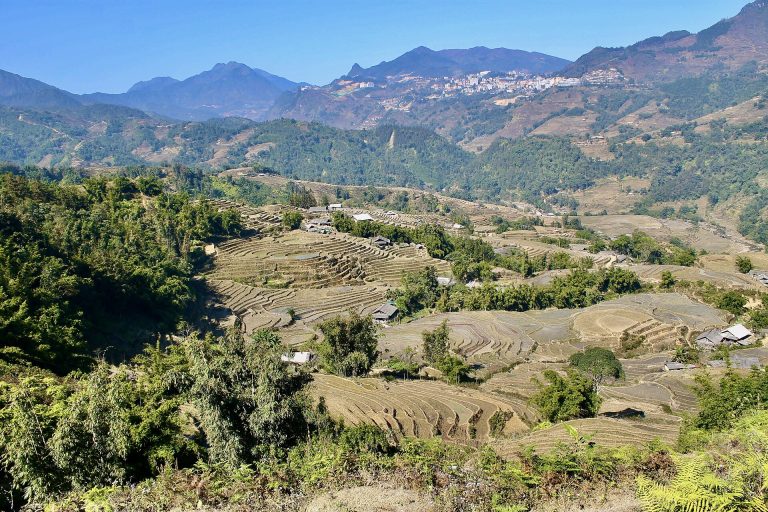
- September to November: Cool, clear, and mostly dry. In early October, the terraced rice paddies in Sa Pa turn golden before harvest.
- December to March: Cool to cold, misty, and cloudy. Northern winters are cool and can be misty; pack warm layers for mountain areas.
Central Vietnam: Hue, Da Nang, and Hoi An
Central Vietnam follows a later rain cycle than the north and south. March to August is the dry, sunny window for Hue, Da Nang, and Hoi An, with a generally drier beach season.
- March to August: Warm to hot with clear skies and reliable beach conditions along the central coast.
- September to November: Peak storm and rain season. Expect heavy rain, storms, and occasional flooding in Hue, Da Nang, and Hoi An during these months.
- December to February: Cool, cloudy, and damp and mist common in January.
Southern Vietnam: Ho Chi Minh City and the Mekong Delta
Southern Vietnam stays warm year-round, with a warm climate year-round. The region splits into two main seasons.
- December to April (dry season): Hot, sunny, and clear in Ho Chi Minh City and Can Tho. This is generally the drier period for city walking and Mekong Delta boat trips.
- May to November (wet season): Hot and humid with dependable afternoon downpours that usually last a few hours. Plan outdoor visits around the forecast during these months.
Phu Quoc Island
Phu Quoc is hot, sunny, and clear from October through June, with December and January bringing the driest, sunniest beach days.
From July through September, Phu Quoc enters its stormy, humid rainy season. Storms can disrupt ferry crossings and boat trips, so check current marine conditions before travelling.
Choosing Your Dates by Trip Style
- Whole-country route (north to south): March to May gives the best balance across all three regions before northern summer storms and southern monsoon rains settle in.
- Beaches: Choose December to April for Phu Quoc, or March to August for Da Nang and Hoi An.
- Trekking in the northern mountains: Late April (clear skies and blooming flowers) and September to November (cool, dry trails and early-October rice harvest) offer the best visibility in Sa Pa.
- Food and city travel: October to April works well for Hanoi and Ho Chi Minh City if you pack a light jacket for northern winter evenings.
- Vietnam and Cambodia combination: December to April aligns dry weather in southern Vietnam and the Mekong Delta with Cambodia’s dry season. March and April add warm, clear conditions in central and northern Vietnam if you are covering both countries in one trip.
Planning Around Tet (Vietnamese Lunar New Year)
Tet follows the lunisolar calendar, so its dates move each year, usually between late January and mid-February. Check the current dates before planning transport and opening hours.
Transport and opening hours can change around Tet. Check domestic connections, hotels, restaurants, markets and attractions directly before the holiday week. If your trip overlaps with Tet, confirm transport and opening hours with hotels, tour operators and specific attractions before you travel.
Frequently Asked Questions
What are the best overall months to travel to Vietnam?
March to May is the strongest whole-country window: northern Vietnam is warming, central Vietnam is generally drier, and southern Vietnam is still in its drier season. September to November can work well for Hanoi, Ha Long Bay and northern mountain routes, with a different rainfall pattern in central Vietnam.
When is the rainy season in Vietnam?
Rainfall varies by region. Northern Vietnam is wetter in the summer, central Vietnam has its main storm and rain period in the autumn, southern Vietnam sees more afternoon rain from May to November, and Phu Quoc is stormier from July to September.
When is the best time to visit Ha Long Bay?
April to June and September to November are useful planning windows for Ha Long Bay. Summer storms can disrupt cruises, while December to March is cooler and often misty. Check the cruise operator and current weather before travelling.
When is the best time for beaches and Phu Quoc?
Phu Quoc is generally clearest from October through June; July to September is the stormier period. Da Nang and Hoi An have a different central-coast pattern, with their drier beach season generally running from March through August.
Does March to May work for a whole-country Vietnam route?
Yes. March to May is the most balanced choice for a north-to-south route because it avoids the main wet or storm periods in several regions. Match the route to current regional guidance, then confirm transport and attraction conditions before booking.
These seasonal choices fit into the wider travel trends and longer-stay planning guide.
Next Step
Once you have picked your travel window, map out your stops and transport links with our Vietnam travel itinerary.
Sources: Vietnam Tourism: Weather and climate in Vietnam | Vietnam Tourism: Frequently Asked Questions | Vietnam Tourism: Can Tho | Vietnam National Authority of Tourism.
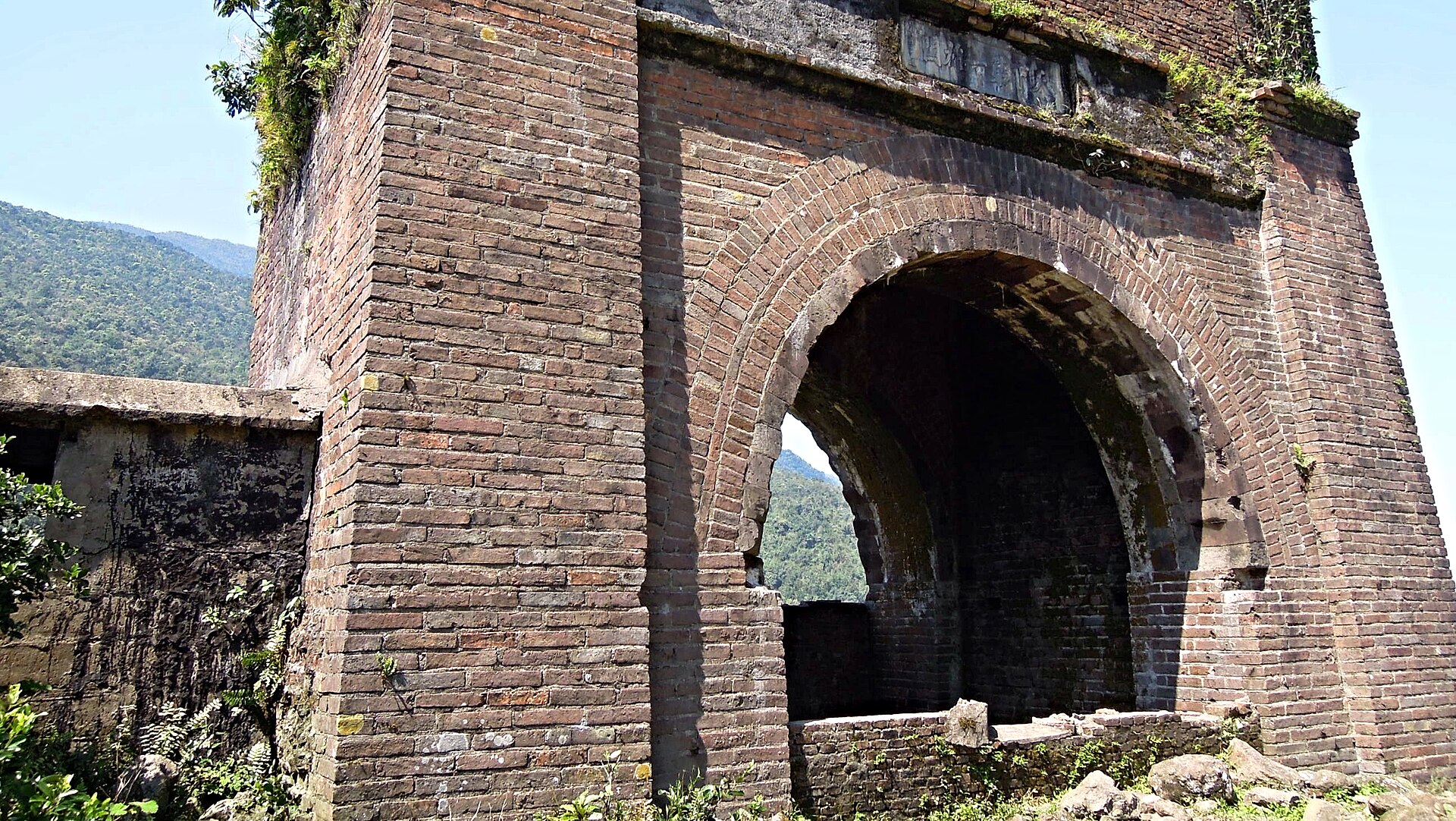
Featured photo: Hải Vân Pass in Vietnam by David McKelvey, CC BY 2.0, via Wikimedia Commons.
After choosing a season, use our Vietnam travel budget guide to price the route.
For the wider route map, open our Vietnam travel guide before fixing dates.