
Phu Quoc is Vietnam’s easiest island escape for beaches, seafood and nature. Plan three days for a beach base, one south-island boat or snorkelling day and time in the north for forest, farms or fishing villages. The island has an international airport and ferry links from the mainland.
Editorial review: This guide was checked against Vietnam Tourism pages on 25 November 2026.

Why visit Phu Quoc?
Phu Quoc combines long beaches with fishing, pepper, fish sauce, forest and island-hopping traditions. Vietnam Tourism describes more than half of the island as protected through the Phu Quoc UNESCO Biosphere Reserve, while the island’s everyday economy still includes fishing and agriculture.
It is a useful contrast to Vietnam’s historic cities. Pair it with our Ho Chi Minh City guide for a south-Vietnam route, or fly north and combine the island with the city guides in our Vietnam destination hub.
How many days do you need?
| Time | Good use of the days |
|---|---|
| Two days | One beach day and one south-island or island-hopping day, with a flexible evening for the night market. |
| Three days | Add northern forest, a pepper or fish-sauce visit, or a slower beach morning. |
| Four or more days | Split time between a beach base and the north, with weather flexibility for boats and snorkelling. |
A practical three-day Phu Quoc itinerary
Day 1: settle into the coast
Choose one beach area as your base rather than trying to cross the island repeatedly. Sao Beach is one of the island’s best-known stretches, while Long Beach is convenient for sunsets and a broad range of accommodation. Vietnam Tourism also highlights Ong Lang and Ganh Dau for travellers looking beyond the busiest areas.
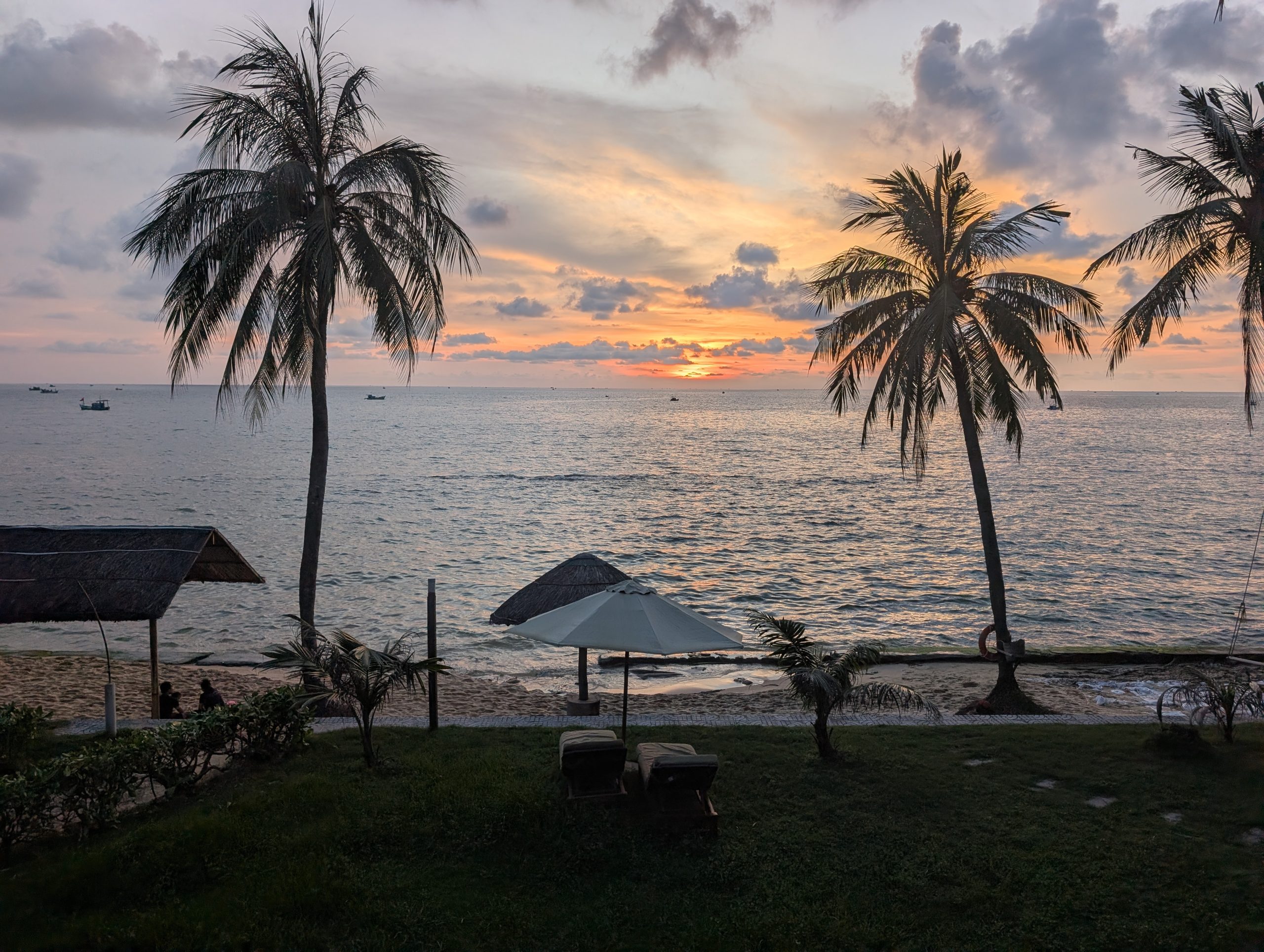
Use the first day to learn the island’s road rhythm, find a reliable meal and check the next day’s sea conditions. Sunsets are a west-coast strength, while early mornings often make the warmest beaches easier to enjoy.
Day 2: sea and the southern islands
Use a boat or guided island-hopping trip for the An Thoi archipelago if the weather and sea conditions are suitable. Snorkelling and reef visits are seasonal activities; confirm the operator, safety arrangements and departure point before paying.
Keep a backup plan for rough seas. A beach morning, the night market or a local food route is better than forcing a boat day in poor conditions.
Day 3: north-island nature and local products
Head north for forest, viewpoints, fishing villages or a pepper and fish-sauce visit. Vietnam Tourism identifies Phu Quoc National Park, Ham Ninh, Ganh Dau and pepper farms as ways to see the island beyond resort beaches.
Plan the return with traffic and weather in mind. Keep airport or ferry transfers separate from a far-north excursion, especially when the journey is tied to a flight.
Best places to visit in Phu Quoc
- Sao Beach: a popular south-island beach for swimming and a boat-day connection.
- Long Beach: a convenient west-coast base with sunset access and many accommodation choices.
- Phu Quoc National Park: forest trails, viewpoints and streams in the north; check current access before setting out.
- An Thoi archipelago: boat trips, beaches and snorkelling when sea conditions allow.
- Duong Dong Night Market: grilled seafood, fruit and local snacks in the evening.
- Pepper farms and fish-sauce houses: local products that explain the island’s working economy.
When is the best time to visit Phu Quoc?
Vietnam Tourism lists November to April as the island’s best beach-weather window, with calmer seas and clearer skies. May to October brings heavier showers and rougher seas at times. Use the official seasonal guidance as a starting point, then check the forecast immediately before boat activities.
The dry season is also the busier season. Book the parts of the trip that are hard to replace, but keep outdoor days flexible. A short shower does not ruin an island visit; a fixed boat schedule in poor sea conditions can.
Getting to and around Phu Quoc
Phu Quoc International Airport connects the island with Hanoi, Ho Chi Minh City and other routes. Ferries run from mainland ports including Rach Gia and Ha Tien. Confirm current sailing times, baggage rules and the terminal before travelling.
Distances on the island are longer than the map can suggest. A scooter, taxi, private car or organised excursion can each work depending on the route and your experience. Use a licensed driver or rental provider, wear a helmet and avoid planning a long ride immediately before a flight.
Official sources and planning links
- Vietnam Tourism: Phu Quoc overview
- Vietnam Tourism: beaches and local food
- Vietnam Tourism: island hopping
- Vietnam Tourism: Phu Quoc nature
- Vietnam Tourism: a day in Phu Quoc
Phu Quoc travel FAQs
How many days are enough for Phu Quoc?
Three days gives you a beach base, one southern boat or snorkelling day and time for northern nature or local products. Add days if you want a slower resort stay.
What is Phu Quoc best known for?
Phu Quoc is known for beaches, sunsets, seafood, fish sauce, pepper, island-hopping and protected forest landscapes.
When is the best time to visit Phu Quoc?
Vietnam Tourism lists November to April as the drier period with calmer seas and clearer beach weather. Check the current forecast before boat trips.
Is Phu Quoc easy to reach?
Phu Quoc has an international airport with routes from Hanoi, Ho Chi Minh City and elsewhere, plus ferries from mainland ports such as Rach Gia and Ha Tien.
Do you need a boat tour in Phu Quoc?
No. Beaches, markets, farms and northern nature can fill a trip without a boat. Choose a boat day when sea conditions, operator quality and your schedule all work.
Featured photo: “1 Phu Quoc sunset” by Elmschrat via Wikimedia Commons, CC0.
Choosing dates? Use our best time to travel to Vietnam guide for regional weather and month-by-month planning.