
Hanoi is Vietnam’s best city base for history, street food and northern routes. Spend two or three days around Hoan Kiem, the Old Quarter and the Thang Long Imperial Citadel, then use the capital to start trips toward Ninh Binh, Ha Giang or Sapa.
Editorial review: This guide was checked against Vietnam Tourism and UNESCO pages on 25 November 2026.

Why visit Hanoi?
Hanoi combines a dense historic centre with museums, lakes, food streets and the political history of Vietnam. Vietnam Tourism describes the capital through its Old Quarter, Hoan Kiem Lake, colonial architecture and street-food culture. UNESCO’s Central Sector of the Imperial Citadel of Thang Long adds a much older layer, tracing a seat of power with almost thirteen centuries of continuity.
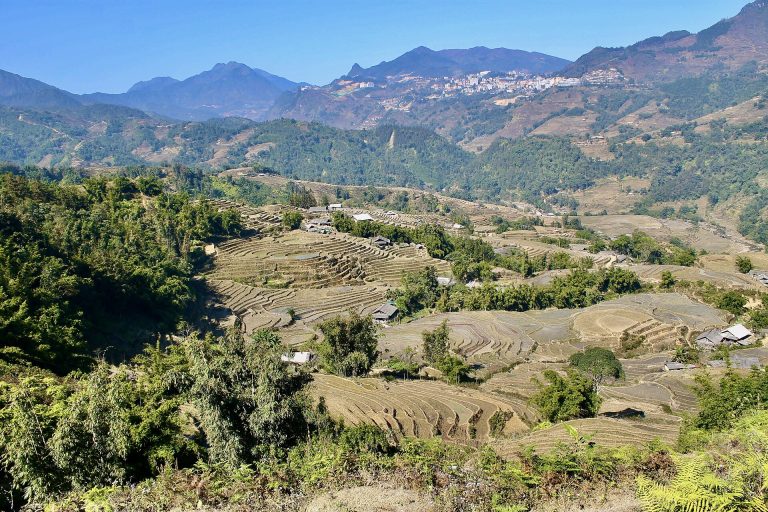
The city is also a useful starting point. Ninh Binh is a natural next stop, while Ha Giang and Sapa suit longer northern routes. Build in a slower half-day: Hanoi’s best details are often in a lane, market stall or lakeside walk rather than at the end of a rushed attraction list.
How many days do you need?
| Time | Good use of the days |
|---|---|
| One day | Hoan Kiem Lake, the Old Quarter, a meal-led walk and one carefully chosen museum or heritage site. |
| Two days | Add the Thang Long Imperial Citadel, the Temple of Literature and time for a slower food or café route. |
| Three days | Keep a flexible day for museums, neighbourhood walks and a northern day trip if transport timing works. |
A practical two-day Hanoi itinerary
Day 1: Hoan Kiem and the Old Quarter
Start at Hoan Kiem Lake and walk north into the Old Quarter. Vietnam Tourism describes the historic centre as a neighbourhood of 36 streets, traditional shopfronts, green spaces and street food. Go slowly, cross roads carefully and use a café break to let the city’s pace settle.
Choose food by the places that are busy with local diners, then check any current opening arrangements before you set out. The Old Quarter is best treated as a living neighbourhood rather than a collection of photo stops. Keep the evening open for a second walk around the lake.
Day 2: Thang Long and the city’s deeper history
Use the morning for the Central Sector of the Imperial Citadel of Thang Long. UNESCO describes the site as a long-running political centre built on earlier fortifications, with archaeological layers and surviving monuments in the heart of Hanoi.
Continue to the Temple of Literature or a museum that matches your interests. Vietnam Tourism’s attraction guides cover the Temple of Literature, women’s history, the Opera House and other options. Leave the afternoon flexible for heat, rain or a neighbourhood you discovered on day one.
What to see in Hanoi
- Hoan Kiem Lake and Ngoc Son Temple: the city’s most useful orientation point and a good place for an early or late walk.
- Old Quarter: historic streets, small shops, cafés and food stalls; explore on foot with patience.
- Thang Long Imperial Citadel: the key UNESCO heritage stop for Hanoi’s long political history.
- Temple of Literature: a quieter architectural and educational history stop near the centre.
- French Quarter and Opera House: wider streets and colonial-era buildings south of the lake.
Hanoi as a northern-Vietnam base
Hanoi is the natural planning point for northern trips, but distance and road conditions matter. For a short add-on, our Ninh Binh guide explains how to combine river scenery and heritage. For longer mountain routes, compare the logistics in our Ha Giang Loop guide and Sapa trekking guide.
Do not stack several long transfers back to back. Keep a night in Hanoi before a flight or international train, and confirm departure points with the operator rather than relying on an old blog timetable.
When is the best time to visit Hanoi?
Hanoi’s seasons change the feel of a walking itinerary. Check Vietnam Tourism’s current seasonal guidance, then choose a plan with indoor alternatives for rain and shaded stops for hotter days. The Old Quarter works in many conditions, while long outdoor heritage visits are easier when the temperature is comfortable.
Popular holiday periods can change opening hours and transport demand. Check official attraction pages before travelling, especially for museums, the Imperial Citadel and special events around the lake.
Getting around Hanoi
The Old Quarter and Hoan Kiem are easiest to understand on foot in short blocks. For longer trips, compare official taxi apps, clearly marked taxis and public transport with current local guidance. Roads are busy; cross predictably and avoid blocking traffic for photographs.
Choose accommodation by the days you will actually spend. Old Quarter rooms reduce walking for food and lake routes, while a quieter base can make an early departure easier. Airport and station transfers deserve their own time buffer.
Official sources and planning links
- Vietnam Tourism: Hanoi overview
- Vietnam Tourism: Hanoi Old Quarter
- Vietnam Tourism: Hanoi attractions
- UNESCO: Thang Long Imperial Citadel
- Vietnam Tourism: Hanoi walking tours
Hanoi travel FAQs
How many days are enough for Hanoi?
Two full days cover Hoan Kiem, the Old Quarter, the Thang Long Imperial Citadel and one or two additional heritage or museum stops. Add a third day for a slower city rhythm.
What is Hanoi best known for?
Hanoi is known for its Old Quarter, Hoan Kiem Lake, street food, lakeside walks, museums and the UNESCO-listed Thang Long Imperial Citadel.
Is Hanoi a good base for Ninh Binh?
Yes. Hanoi is a practical starting point for Ninh Binh, provided you allow enough transfer time and confirm the operator’s current departure point and schedule.
Can you walk around Hanoi Old Quarter?
Yes, short walking routes work well around the Old Quarter and Hoan Kiem Lake. Cross roads carefully, take breaks and treat the area as a living neighbourhood.
Should you visit Hanoi before Ha Giang or Sapa?
Many travellers use Hanoi as their arrival and planning base before a longer northern route. Keep a buffer night before and after long transfers, and confirm current transport details.
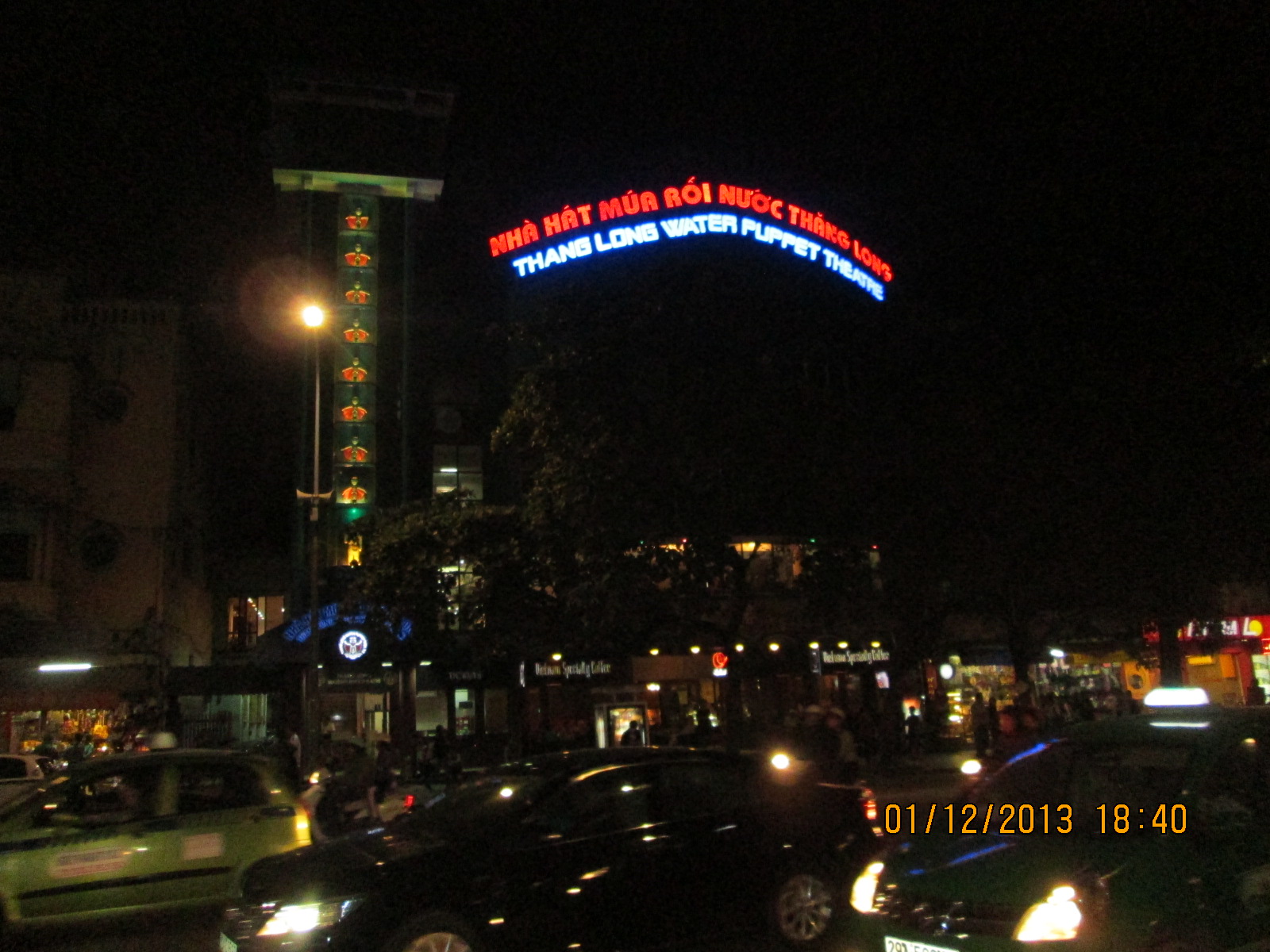
Featured photo: “Hanoi at night near Hoan Kiem lake” by Rudolph.A.Furtado via Wikimedia Commons, CC0.
Planning a longer route? Use our Vietnam travel itinerary for 10 days or two weeks to connect these stops.
Choosing dates? Use our best time to travel to Vietnam guide for regional weather and month-by-month planning.
Use the Vietnam travel guide to connect Hanoi with central and southern stops.