
A Vietnam travel guide map is most useful when it shows the country as three connected regions rather than a checklist of pins. Start in Hanoi for the north, move through Hue, Da Nang or Hoi An in central Vietnam, and finish in Ho Chi Minh City or the Mekong Delta in the south. Allow time for the transfer between each region.
Reviewed November 26, 2026.
How to read a Vietnam travel map
Vietnam stretches a long way from north to south, so distance on a map can understate travel time. The main airports and railway line make a north-to-south route possible, while mountain roads, islands and rural areas need extra margin. Use the map to choose a shape for the trip, then check the official transport information before booking each leg.
| Region | Good first stops | What the map helps you plan |
|---|---|---|
| North | Hanoi, Ninh Binh, Ha Long Bay, Ha Giang or Sapa | Short loops from Hanoi and longer mountain transfers |
| Central coast | Hue, Da Nang, Hoi An and Phong Nha | Rail, road and airport links along the coast |
| South | Ho Chi Minh City, the Mekong Delta and Phu Quoc | City-to-delta day trips and island connections |
North Vietnam: build a loop from Hanoi
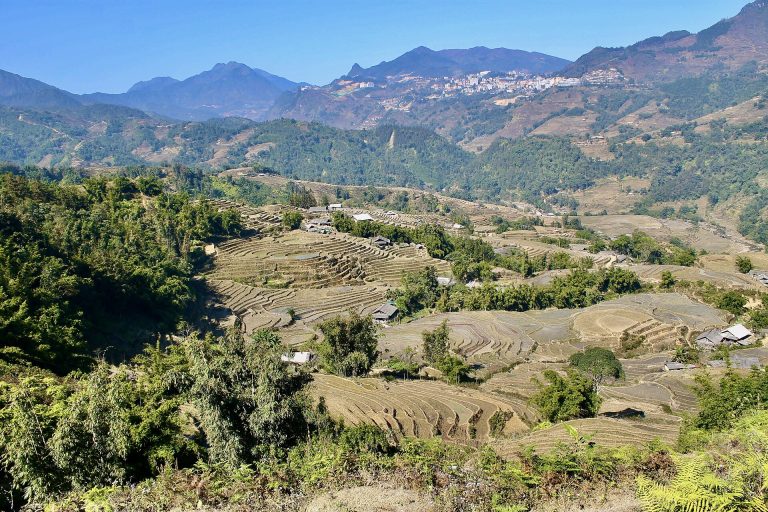
Hanoi is the practical starting point for a northern route. Ninh Binh works as a short extension, while Ha Long Bay, Sapa and Ha Giang need different amounts of time and road travel. A first trip can combine Hanoi and Ninh Binh in a few days, then add one mountain or bay region instead of trying to reach every northern pin.
Use the Hanoi guide, Ninh Binh guide, Ha Long Bay guide and Ha Giang Loop guide as separate planning notes. Check the official Vietnam Tourism northern Vietnam pages before deciding on a boat, mountain road or national-park visit.
Central Vietnam: connect heritage and coast
Central Vietnam is the easiest part of the map to understand as a coastal chain. Hue, Da Nang and Hoi An are close enough to combine, while Phong Nha sits farther north and inland. The Hai Van Pass and the rail line create a scenic connection between Hue and Da Nang, but weather and road conditions can change the timing.
Plan at least two nights in a base before adding another stop. The Hue, Da Nang and Hoi An guides explain what each stop is best suited to. UNESCO’s pages for the Complex of Hué Monuments and Hoi An Ancient Town are useful primary references for heritage sites.
South Vietnam: use Ho Chi Minh City as the hub
Ho Chi Minh City is the usual southern anchor. The Mekong Delta works as a day trip or a slower multi-day route, while Phu Quoc requires a separate island connection. Keep the delta and island days flexible if your international flight leaves from Ho Chi Minh City.
Read the Ho Chi Minh City guide and Phu Quoc guide alongside Vietnam Tourism’s southern Vietnam information. A map is a planning aid, not a promise that every road, ferry or flight runs on the same schedule.
Three useful map shapes for a first trip
- North-only loop: Hanoi, Ninh Binh and one of Ha Long Bay, Sapa or Ha Giang. This keeps transfers manageable for a week.
- Central coast route: Hue, Da Nang and Hoi An, with Phong Nha only when the schedule allows. This suits travellers who want food, beaches and heritage without a long north–south transfer.
- North-to-south line: Hanoi, one or two northern stops, a central base and Ho Chi Minh City. Use a flight or overnight train for the longest link and leave a buffer day before an international departure.
The Vietnam travel itinerary guide compares ten-day and two-week routes. The Vietnam travel budget guide helps you price flights, trains, rooms, food, activities and contingency instead of treating the map as a list of free transfers.
Check weather before fixing the route
Vietnam has several regional weather patterns. Northern winter can be cool, central Vietnam has a wetter storm season, and the south has a distinct rainy period. The best route on a map can be uncomfortable on the dates you have, so compare the best time to travel to Vietnam guide with current forecasts and official travel information.
Build one weather-flexible day into a mountain, boat or island plan. Heavy rain can affect roads, caves, boats and flights. Recheck the forecast and the provider’s current notice before leaving rather than relying on an old itinerary screenshot.
Vietnam travel guide map: frequently asked questions
What is the best route through Vietnam for a first trip?
A practical first route is Hanoi with one northern side trip, Hue, Da Nang or Hoi An, and Ho Chi Minh City. Ten days usually requires fewer stops; two weeks gives more room for a north-to-south route and weather changes.
How many days do you need to travel across Vietnam?
Allow at least ten days for a selective north-to-south route and two weeks for a more comfortable first visit. Vietnam is long, and each transfer takes time that a simple map does not show.
Is it better to travel north to south or south to north in Vietnam?
Either direction works. Choose the direction that fits your international flights, seasonal weather and preferred arrival city, then protect the final airport transfer with a buffer day.
Which Vietnam destinations are close together?
Hue, Da Nang and Hoi An are the most straightforward central cluster. Hanoi and Ninh Binh also combine well. Ha Giang, Sapa, Phong Nha, the Mekong Delta and Phu Quoc need more dedicated travel time.
Can you travel around Vietnam by train?
Trains connect major cities along the north–south corridor and can be useful for scenic or overnight journeys. Check the current timetable, station, berth and total journey time through an official or reputable booking source before committing.
Plan from the map, then confirm the details
Start with the route shape that matches your days, choose fewer stops, and then verify entry rules, transport, weather and current safety advice. Keep the Vietnam travel guide open for the regional overview and use each destination guide for the practical next step.
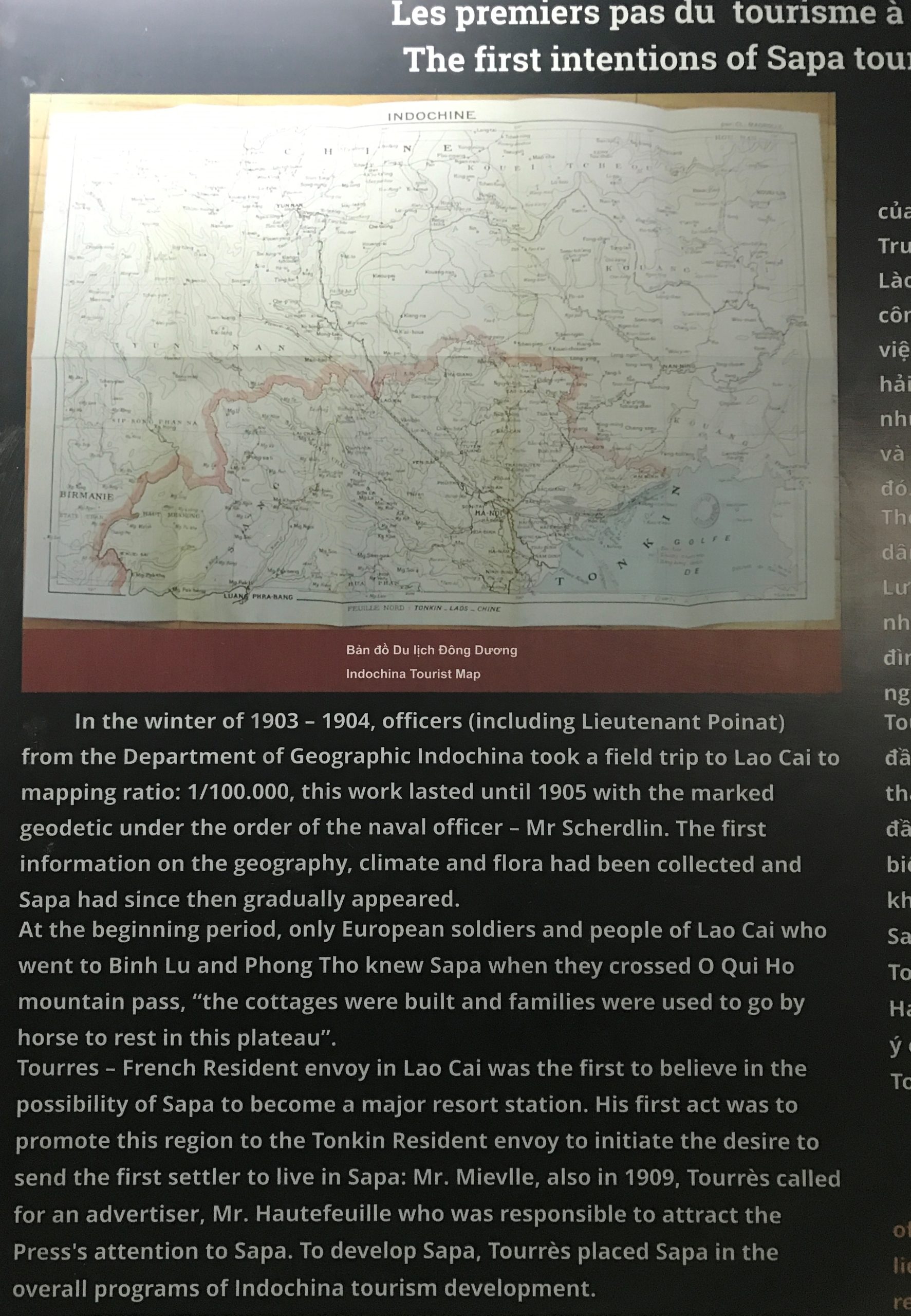
Featured photo: IndoChina tourist map photographed at the Sapa Museum by Bùi Linh Ngân, CC BY-SA 4.0, via Wikimedia Commons.