
Traveling to Vietnam in 2026 starts with a route that respects the country’s 1,600-kilometre north-to-south shape. Most first-time visitors split the country into three regions: North, Central, and South. With 10 to 14 days, fly into Hanoi, travel through Ninh Binh or Ha Long Bay, continue to Hoi An and Hue, and finish in Ho Chi Minh City. Shorter trips work best in one region.
For a city-level budget comparison, continue to the cheap places to travel guide.
For a first-trip checklist covering entry, transport, money and daily planning, see the Vietnam travel tips guide.
Use the Vietnam travel guide map to compare regional route shapes before choosing stops.
Continue planning with our Vietnam travel safety guide and where to travel in Vietnam guide.
Travelling on a U.S. passport? Check our Vietnam travel visa guide for US citizens for the official e-visa route and passport checks.
For general entry questions, use our Vietnam travel visa guide before booking flights.
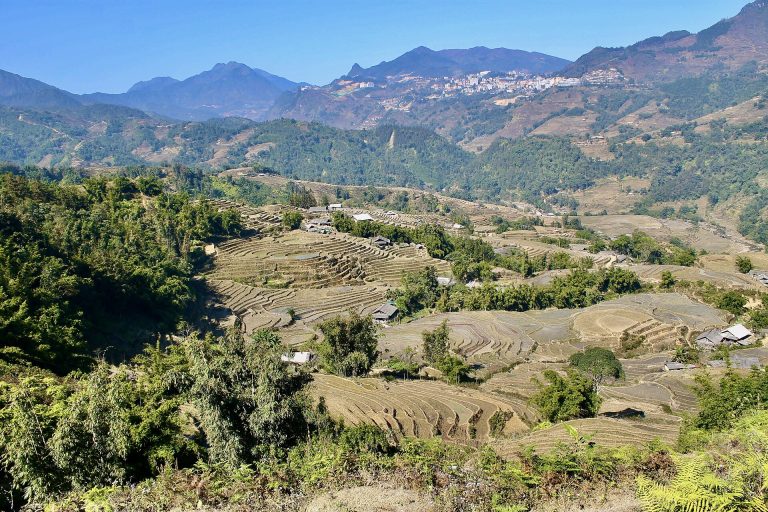
The northern route also pairs well with a few days in Sapa; use the Sapa travel guide for town, valley and arrival planning.
Vietnam Regions at a Glance
Each region has its own climate, food, and pace. Use this table to match your trip length and interests before booking flights.
| Region | Best For | Signature Stops | Useful Time | Seasonal Checkpoint |
|---|---|---|---|---|
| North | Karst landscapes, mountain trekking, street food, historic quarters | Hanoi, Ninh Binh, Ha Long Bay, Sapa | 5 to 7 days | Cool, dry winters; hot, rainy summers; check mountain fog in winter |
| Central | Imperial history, beaches, lantern-lit towns, coastal drives | Hue, Da Nang, Hoi An | 4 to 6 days | Dry spring and summer; heavy rain and typhoon risk in autumn |
| South | Fast-paced city life, modern history, river markets | Ho Chi Minh City, Can Tho (Mekong Delta) | 3 to 5 days | Warm year-round; dry season roughly December to April |
| Islands | Beach stays, snorkelling, slower pace at the end of a trip | Phu Quoc | 3 to 4 days | Calmest seas during the southern dry season |
Check our best time to travel to Vietnam guide for month-by-month regional planning before locking in dates.
Choosing a Route
Vietnam rewards open-jaw flights: arrive in Hanoi and depart from Ho Chi Minh City, or run the route in reverse. This saves a full travel day compared to flying round-trip from the same airport.
- 7 to 9 days: Focus on one region. Pair Hanoi with Ninh Binh and Ha Long Bay, or pair Ho Chi Minh City with Can Tho and Phu Quoc.
- 10 to 14 days: Cover two or three regions using one or two short domestic flights. A standard route links Hanoi, Ha Long Bay or Ninh Binh, Hoi An, and Ho Chi Minh City.
- 3 weeks or more: Add Sapa in the northern mountains, Hue and Da Nang in the centre, and a slower Mekong Delta loop.
For day-by-day schedules and pacing, open our Vietnam travel itinerary guide. To plan daily spending across accommodation, food, and transport, see the Vietnam travel budget guide.
North Vietnam
The north combines Vietnam’s capital with limestone peaks, terraced valleys, and coastal bays.
- Hanoi: Base yourself near Hoan Kiem Lake or the Old Quarter for walking access to cafes, street food stalls, and museums. Allow two to three days.
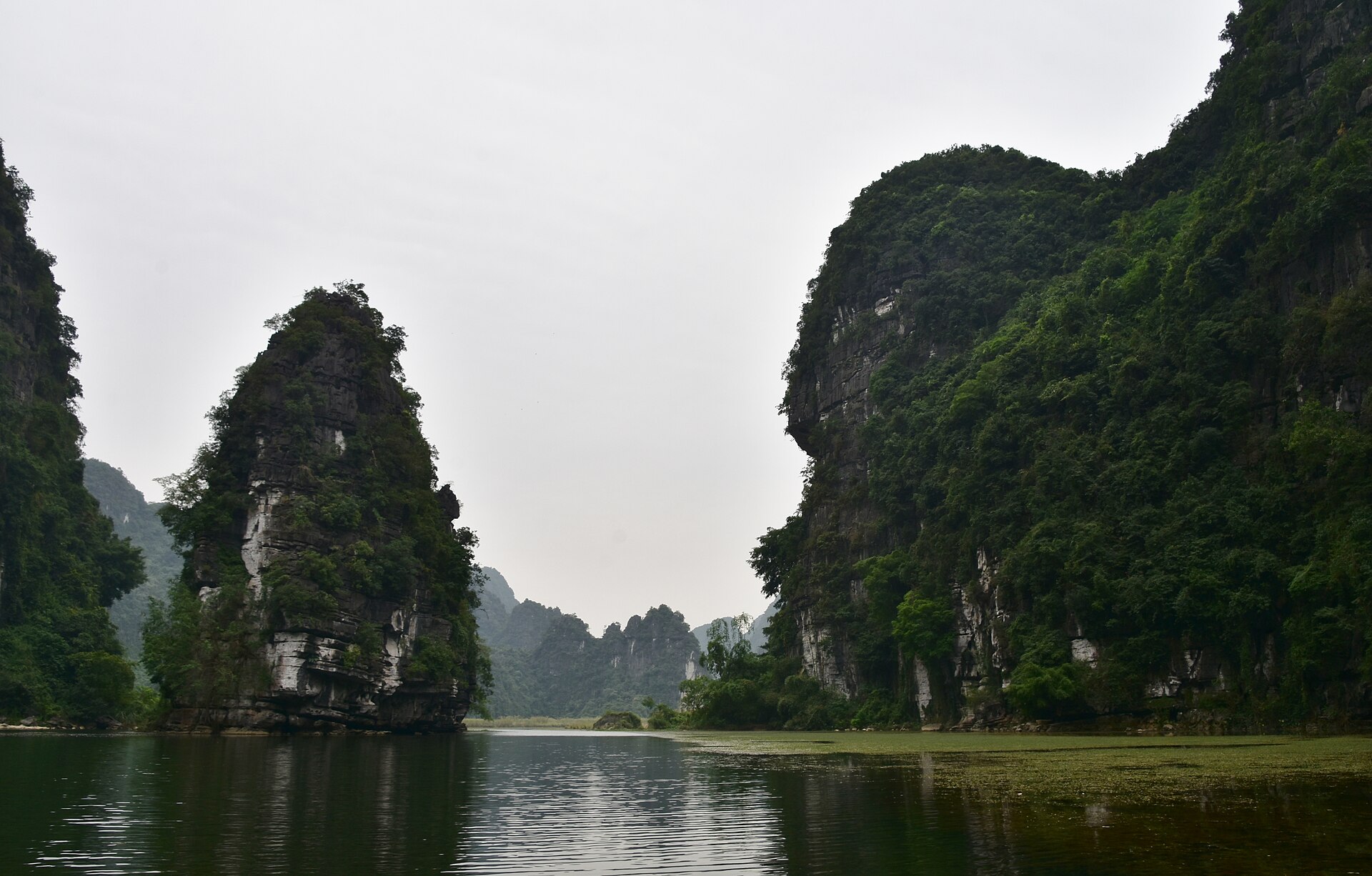
- Ninh Binh: Two hours south of Hanoi by road or rail, Ninh Binh is home to the UNESCO-listed Trang An Scenic Landscape Complex. Plan one or two nights for river boat rides, cycling through rice fields, and limestone viewpoints.
- Ha Long Bay: Most visitors join an overnight boat cruise to see the limestone islands, caves, and lagoons. Choose a two-day, one-night or three-day, two-night itinerary to spend less time in transit.
- Sapa: Located in the Hoang Lien Son mountains, Sapa is the main starting point for multi-day treks through terraced valleys and ethnic minority villages. Reach it by overnight train to Lao Cai or highway bus from Hanoi.
Central Vietnam
Central Vietnam packs heritage sites, mountain passes, and long sandy beaches into a compact stretch of coast.
- Hue: The former imperial capital sits along the Perfume River. Key stops include the Imperial City, royal tombs, and local dishes such as bun bo Hue.
- Da Nang: A modern coastal city with an international airport, the 30-kilometre stretch of My Khe Beach, and easy access to the Marble Mountains and Hai Van Pass.
- Hoi An: Located 45 minutes south of Da Nang, Hoi An’s preserved trading port is packed with lantern-lit streets, custom tailoring shops, flat cycling paths through rice paddies, and An Bang Beach 15 minutes away.
South Vietnam
The south runs on a tropical schedule with warm temperatures, dense river networks, and southern islands like Phu Quoc.
- Ho Chi Minh City: Vietnam’s largest commercial city mixes French-era buildings like the Central Post Office and Opera House, rooftop bars, and major historical sites such as the War Remnants Museum and the Cu Chi Tunnels outside the city.
- Can Tho and the Mekong Delta: Can Tho is the main base for exploring the Mekong’s river channels, fruit orchards, and the Cai Rang Floating Market, which peaks between 5:30 AM and 7:30 AM.
- Phu Quoc: Vietnam’s largest island lies off the southwest coast and connects to Ho Chi Minh City and Hanoi by direct flights. It suits travellers looking for resort beaches and snorkelling at the end of a trip.
Getting Around Vietnam
Long distances make transport planning an early decision. Confirm current schedules and baggage allowances directly with operators when booking.
- Domestic flights: The fastest way to link Hanoi, Da Nang, Ho Chi Minh City, and Phu Quoc. Book early during national holidays such as Tet.
- Trains: The Reunification Express runs along the coast between Hanoi and Ho Chi Minh City. Scenic segments include Da Nang to Hue, and overnight sleeper trains work well for medium-distance hops.
- Buses and private transfers: Sleeper buses and limousine vans connect cities like Hanoi to Ninh Binh, Sapa, and Ha Long Bay. Private cars are practical for short transfers such as Da Nang to Hoi An or Hue.
- City transport: Use official metered taxis or established ride-hailing apps, check the fare before confirming, and allow for airport transfers and luggage when comparing route costs.
Entry Requirements and Visas
Entry rules depend on your passport nationality and trip length. Some nationalities qualify for visa-free entry for set periods, while others apply online for an e-visa before departure.
Vietnam’s official e-visa system operates through the government immigration portal at evisa.xuatnhapcanh.gov.vn (which directs applicants to the active government domains evisa.gov.vn and thithucdientu.gov.vn). Use official .gov.vn domains directly to avoid third-party markups. Check passport validity requirements, approved entry checkpoints, and current processing times on the official portal and the Vietnam Tourism FAQ well ahead of your flight.
For longer stays or remote work planning, review our Vietnam digital nomad visa guide.
Safety and Health Checks
Standard travel preparation covers most day-to-day risks in Vietnam:
- Road traffic: Crossing busy city streets requires steady, predictable walking so motorbikes can steer around you. Wear a helmet if riding as a passenger, and check licensing and insurance rules before renting any vehicle.
- Travel insurance: Confirm your policy covers medical evacuation, hospital care, and any planned activities such as trekking or motorbike riding.
- Health preparation: Consult a qualified travel health clinic or your doctor before departure for up-to-date vaccine and health recommendations for your itinerary.
- Official updates: Review your home government’s travel advisory and Vietnam Tourism for current local guidance, storm alerts, and public holiday schedules.
Responsible Travel
- Respect local customs: Cover shoulders and knees when entering temples, pagodas, and mausoleums. Ask permission before photographing people, especially in rural villages.
- Reduce plastic waste: Carry a refillable water bottle where safe refill stations are available, and decline single-use bags at markets.
- Support local guides: Book treks, boat tours, and cooking classes through licensed local operators and community-run homestays.
- Protect natural sites: Stay on marked trails in national parks and follow boat crew guidelines in marine areas such as Ha Long Bay and Phu Quoc.
Frequently Asked Questions
How many days do you need in Vietnam?
Ten to fourteen days gives a first-time visitor room to connect northern, central and southern highlights. With a week or less, stay within one region so transfers do not consume the trip.
What is the best route for a first trip to Vietnam?
A practical first route starts in Hanoi, adds Ninh Binh or Ha Long Bay, continues to Da Nang for Hoi An and Hue, and finishes in Ho Chi Minh City. It can also run south to north.
When is the best time to visit Vietnam?
March to May is a balanced whole-country window, but regional weather differs. Check the seasonal guide for northern, central, southern and Phu Quoc conditions before fixing dates.
Do you need a visa to travel to Vietnam?
Entry depends on passport and stay. Check the Vietnam Immigration Department e-visa portal and Vietnam Tourism FAQ before booking because eligibility and application details can change.
Is Vietnam expensive to visit?
Vietnam can suit different budgets. Local meals, public transport and simple rooms support a lower-cost plan, while flights, cruises, private transfers and resort stays raise the total. Use the budget guide to price your chosen route.
For a broader view of longer stays, rail choices and remote-work planning, see Travel Trends 2026.
Considering a two-wheeled route? Use our Vietnam motorbike planning guide for licence, route and safety checks.
\n
Next Step
Next Step
Use our Vietnam travel itinerary to choose your route and pacing.
Featured photo: Trang An Scenic Landscape Complex in northern Vietnam by Richard Mortel, CC BY 2.0, via Wikimedia Commons.