
Reviewed November 2026.
Travel Vietnam by motorbike only when your licence, helmet, insurance and riding experience match the route. The current U.S. advisory says riding a moped or motorbike without a Vietnamese driver’s licence is illegal and insurance may not pay after an accident. Check the legal requirements first, then choose a short, weather-aware route.
The legal check comes first
The U.S. Department of State Vietnam advisory warns that renting a moped or motorbike without a Vietnamese driver’s licence is illegal. It also warns that travel insurance may not cover medical bills after a crash when the rider lacks the required licence.
Your nationality, licence and insurance terms determine what you can legally ride. Read the policy wording, confirm the licence requirement with the relevant Vietnamese authority and carry the documents you need. A rental desk’s approval does not replace the legal or insurance check.
Choose the right type of trip
| Trip shape | Planning question |
|---|---|
| City riding | Can you handle dense traffic, parked scooters and unfamiliar junctions? |
| Short countryside loop | Does the weather allow a return route with daylight left? |
| Multi-day mountain ride | Do you have the licence, experience, equipment and a local access plan? |
| Passenger trip | Does the bike, helmet and insurance cover two people? |
Start with a route that leaves room to stop. A short practice ride near your accommodation can reveal whether the bike, traffic and controls feel manageable before a longer road day.
Choose a route that matches your riding time
\n
Three route shapes cover most first motorbike trips in Vietnam. Choose the one that fits your experience, daylight and weather rather than trying to cross the whole country on a tight schedule.
\n
| Route | Typical time | Best fit | Plan around |
|---|---|---|---|
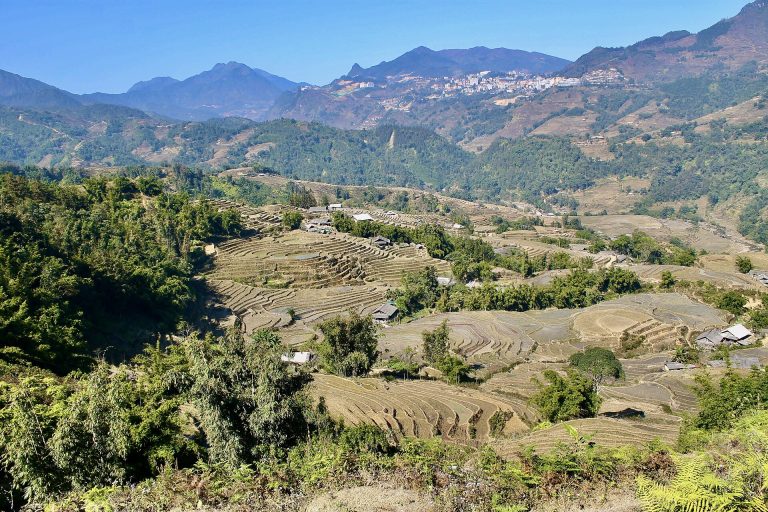
| Ha Giang loop | 3–5 days | Mountain scenery and a guided or passenger ride | Steep passes, fog, rain and daylight |
| Da Nang–Hoi An–Hue | 1–2 riding days | A first central-coast ride with towns close by | City traffic and Hai Van Pass weather |
| North to south | 10–14 days | Experienced riders with flexible time | Fatigue, bike reliability and one-way logistics |
\n
Use the Vietnam Tourism transport guide for the country-wide context, then compare the Ha Giang loop, Hoi An, Hue and Vietnam itinerary guides before booking.
\n
Vietnam Tourism describes motorbikes as a practical way to cover short distances and recommends helmets and secure parking. For the legal framework, read the Law on Road Traffic Order and Safety 2024 and the rules on foreign-brought vehicles in Decree 30/2024/ND-CP. Confirm the licence class, IDP and insurance wording for your nationality before renting.
\n
Traffic and road habits
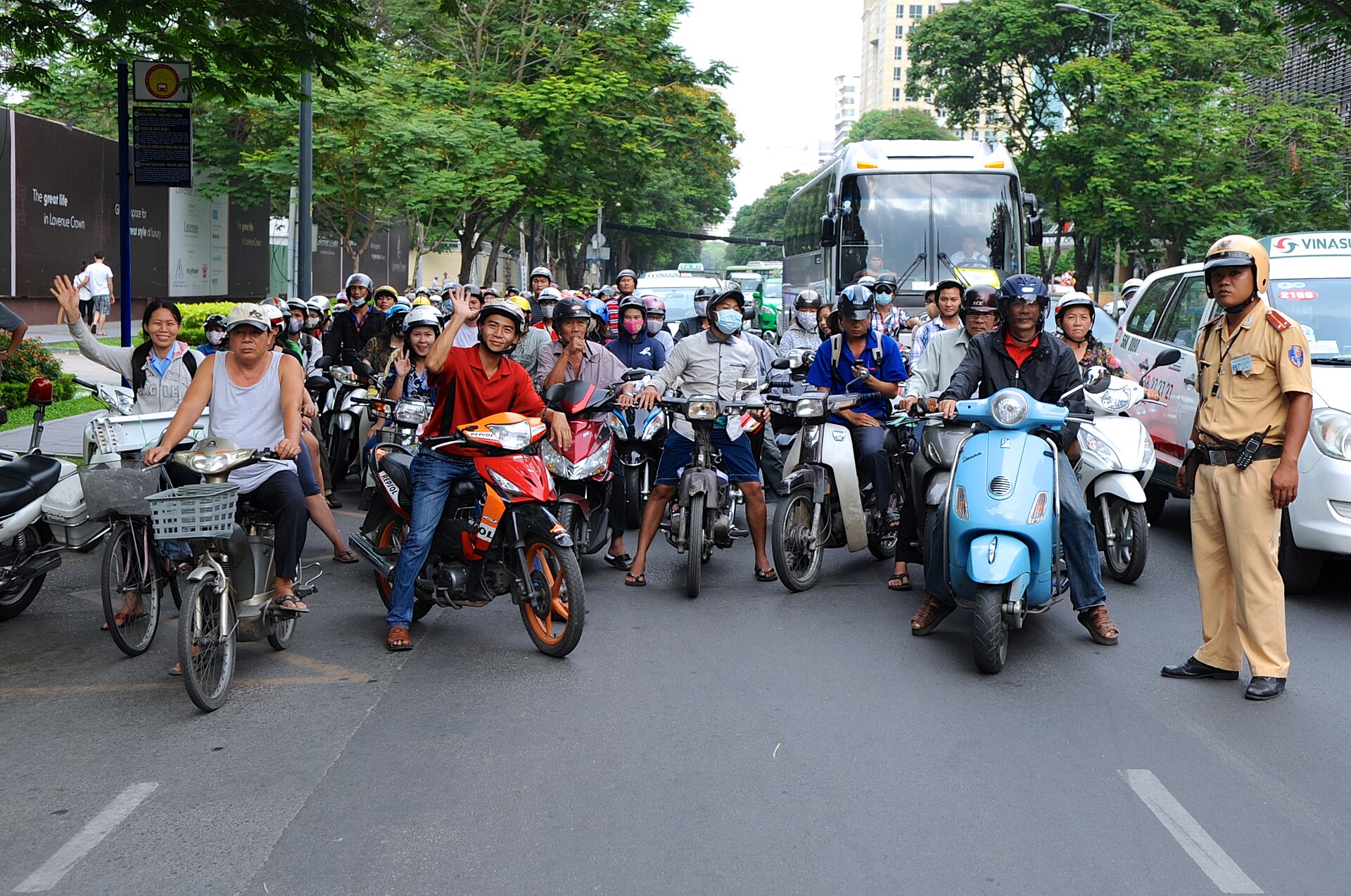
Vietnamese roads can be busy, with scooters, cars, buses, pedestrians and deliveries sharing limited space. Ride predictably, keep a generous buffer and scan side streets before continuing through an intersection. Put the phone away while moving and stop fully before checking a map.
Use a properly fitted helmet, secure loose clothing and keep valuables out of sight. Avoid riding after drinking or when tired. If a road feels beyond your experience, use a professional transfer or an established bus instead.
Weather and daylight
Vietnam has several climate zones. Rain, heat, fog and storms can change the difficulty of a route within hours. Check the local forecast, road conditions and operator updates before leaving. Plan demanding sections in daylight and keep a spare day for a weather-related delay.
The Vietnam travel safety guide covers weather, emergency preparation and remote-area checks. Our where to travel in Vietnam guide helps choose a route that fits the season and the time available.
Insurance and documents
Before renting, ask the insurer exactly which licence, helmet, engine size, passenger and road conditions the policy covers. Save the assistance number offline. Carry your passport securely and keep a copy of the identity page with the rental and insurance documents.
Record the rental company’s name, the bike’s registration details and the emergency contact before leaving. Photograph the bike’s condition at handover and return. Those simple records make a dispute easier to resolve.
A practical riding checklist
- Confirm the licence requirement for your nationality and bike category.
- Read the insurance exclusions for motorbike riding and medical evacuation.
- Wear a properly fitted helmet and closed shoes.
- Test the brakes, lights, tyres and controls before departing.
- Download maps and save the accommodation address offline.
- Check weather, daylight and road conditions for every leg.
- Carry water, a power bank and basic rain protection.
- Share the route and expected arrival time with someone you trust.
- Stop riding when visibility, fatigue or road conditions make the decision harder.
For first-trip planning, combine this checklist with the Vietnam travel tips and Vietnam travel itinerary guides. They cover the route, transport and document decisions around the ride.
Travel Vietnam by motorbike: frequently asked questions
Do I need a Vietnamese licence to ride a motorbike in Vietnam?
The current U.S. travel advisory says riding a moped or motorbike without a Vietnamese driver’s licence is illegal. Confirm the rule that applies to your nationality, licence category and bike before renting.
Will travel insurance cover a motorbike accident in Vietnam?
Coverage depends on the policy and the riding conditions. The U.S. advisory warns that insurance may not pay medical bills when a rider lacks the required licence. Read the exclusions and confirm the cover in writing before riding.
Is it safe to travel Vietnam by motorbike as a beginner?
Begin with a short, quiet practice route and choose a professional transfer when traffic, weather or road conditions exceed your experience. A legal licence, helmet, insurance and a daylight plan are basic prerequisites.
What should I check on a rental motorbike?
Test the brakes, lights, tyres and controls, then record the bike’s condition and registration details. Confirm the rental company’s emergency contact and keep the insurance and licence documents accessible.
How should I plan a motorbike route in Vietnam?
Choose distances that fit daylight and weather, download maps, share the route and leave a spare day. Check local access conditions before remote or mountain sections and change the plan when visibility or fatigue worsens.
Featured photo: Vietnamese motorbike riders by U.S. Department of State, public domain, via Wikimedia Commons.