
Vietnam travel tips are easiest to use when they follow the order of a real trip: confirm entry, choose a manageable route, plan regional weather, arrange transport and prepare a small daily kit. Keep the official immigration and tourism pages open while booking, then leave space for weather, traffic and slow travel days.
Reviewed November 26, 2026.
For the next decision, compare the Vietnam travel safety checklist with our guide to where to travel in Vietnam.
Travelling on a U.S. passport? Check our Vietnam travel visa guide for US citizens for the official e-visa route and passport checks.
For general entry questions, use our Vietnam travel visa guide before booking flights.
1. Check entry rules before buying a ticket
Start with the Vietnam Immigration Department’s e-visa portal. The current official notice directs applicants to evisa.gov.vn and thithucdientu.gov.vn. The portal explains the e-visa process, permitted ports and the maximum validity of up to 90 days for single or multiple entry. Your passport, nationality, dates and arrival point determine the route that applies.
Save a PDF of the approved visa or entry document, the application reference and your passport copy. Check the name, passport number and dates before travelling. Airlines can ask for evidence at check-in, and an approval notice does not replace the passport you used in the application.
Rules change. Recheck the immigration portal and the Vietnam Tourism entry and travel information shortly before departure. Travellers should also read their own foreign ministry’s current advisory. The U.S. State Department Vietnam advisory is one example for U.S. citizens.
2. Choose fewer stops and connect them well
Vietnam rewards a route that follows the country’s geography. A first trip can use Hanoi and Ninh Binh in the north, Hue, Da Nang or Hoi An in central Vietnam, and Ho Chi Minh City in the south. Add Ha Long Bay, Phong Nha or the Mekong Delta when the schedule has room.
Use the Vietnam travel itinerary for route lengths and the Vietnam travel guide for a regional overview. Ten days works well for one or two regions. Two weeks gives a first-time visitor more room for a north-to-south route and weather changes.
Build each transfer into the plan. An overnight train can save a hotel night while taking longer than a flight. A short flight can protect a limited holiday from an exhausting road journey. Keep the first and last night close to the airport or station when you have an early connection.
3. Match your dates to regional weather
Vietnam has several weather systems. Northern winters can feel cool, central Vietnam has a wetter storm season, and the south has a distinct rainy period. Phu Quoc and the coast can follow a different pattern from inland cities on the same date.
The best time to travel to Vietnam guide breaks the year down by region and month. Use it to choose a route that suits the dates you already have. Pack a thin rain layer even in a dry-season itinerary because short storms can change a day quickly.
4. Use the right transport for each distance
Vietnam’s transport network gives travellers several useful choices:
| Trip type | Practical choice | Planning check |
|---|---|---|
| Long north–south distance | Domestic flight | Airport transfer time, baggage rules and a buffer for delays |
| Scenic overnight connection | Train | Berth type, station location and total journey time |
| City-to-city regional link | Reputable bus or rail service | Departure point, luggage and arrival time |
| Short city movement | App taxi, metered taxi or walking | Pickup point and traffic conditions |
| Rural day trip | Pre-booked transfer or locally reviewed operator | Return time, weather and road conditions |
Vietnam Tourism’s transport guide explains trains, buses, flights and local options. Keep the booking confirmation and the departure address in a phone note. Major cities can have several stations, terminals or pickup streets with similar names.
5. Plan money and payments in layers
The Vietnamese dong is the local currency. Vietnam Tourism’s currency and payments guide explains where cards are useful and where cash helps. Carry a small amount of dong for markets, small restaurants, local transport and rural stops. Keep a second card and a small emergency cash reserve separately from your wallet.
Check the exchange rate and the final amount before confirming a card payment. ATMs can have their own fees and limits, so a traveller who moves between cities should plan a withdrawal before reaching a smaller destination. Store receipts for larger purchases and check whether a machine dispenses the correct currency.
6. Keep your phone and documents ready
Download an offline map for each region, save your accommodation address in Vietnamese and keep the key booking details available without a signal. A local SIM or eSIM can help with ride apps, translation and weather alerts; confirm that your phone is unlocked before leaving home.
Use a password manager or a secure note for your booking references. Keep a cloud copy and an offline copy of your passport, visa approval, insurance details and emergency contacts. A small power bank makes long train and bus days easier.
7. Eat widely while using simple food and water checks
Vietnam’s regional food is one of the reasons to travel slowly. Start with busy stalls and restaurants where ingredients move quickly, then explore dishes that are less familiar. Vietnam Tourism’s health and safety guidance is a useful starting point for food, water, heat and insect precautions.
Use sealed bottled water or a reliable filtered source when the local guidance recommends it. Carry oral rehydration supplies if your doctor advises them, and check your own travel-health provider for vaccine and medication advice before departure. The practical choice for health questions is current official guidance for your nationality and itinerary.
8. Dress and behave for the place you are visiting
Vietnamese etiquette varies between a busy city, a pagoda, a family home and a beach town. Cover shoulders and knees when visiting religious or formal sites, ask before photographing people and follow posted instructions. Vietnam Tourism’s traveller etiquette guide covers useful everyday cues.
Learn a few words such as xin chào (hello), cảm ơn (thank you) and bao nhiêu (how much). A calm greeting and a translation app make small transactions smoother. At crowded markets, keep your phone and wallet secure and agree on a price before a service begins.
9. Treat weather, roads and valuables as daily checks
Check the forecast before a boat, mountain or coastal day. Leave a margin after heavy rain because flooding, landslides and traffic can change a route. Wear a helmet that fits when you use a motorbike service, and use a licensed or reputable provider for any activity that carries road or water risk.
The current government advisory for your nationality is the best source for security alerts. The U.S. advisory currently recommends normal precautions and highlights petty crime in busy tourist locations; other governments publish their own guidance. Keep valuables in a zipped day bag, avoid displaying large amounts of cash and save the local emergency numbers from the official advice.
10. Use a simple departure checklist
- Recheck visa validity, passport expiry and the approved entry point.
- Save flight, train, hotel and transfer details offline.
- Confirm how you will reach the first hotel and the departure airport.
- Carry dong, a working card and a separate backup payment method.
- Download maps, translation tools, booking references and emergency contacts.
- Pack light layers, walking shoes, rain protection and any regular medication.
- Read current weather and travel advice for every region on the route.
- Leave one flexible day before an international flight when the itinerary allows.
Vietnam travel tips: frequently asked questions
Do I need a visa to travel to Vietnam?
Entry depends on your passport, itinerary and length of stay. Check the Vietnam Immigration Department e-visa portal and the Vietnam Tourism entry guidance before booking; eligibility, permitted length and application details can change.
Should I carry cash or use cards in Vietnam?
Carry some Vietnamese dong for small vendors, markets and local transport, while keeping a card for larger hotels and bookings. Vietnam Tourism explains where cards are accepted and how currency and payments work.
What is the easiest way to get around Vietnam?
Use domestic flights for long north–south distances, trains for slower scenic journeys and reputable buses or transfers for shorter links. Vietnam Tourism’s transport guide lists the main options and booking checks.
What should I pack for a first trip to Vietnam?
Pack light layers, comfortable walking shoes, rain protection and region-appropriate clothing. Vietnam’s weather varies by north, central coast, south and islands, so check the seasonal guide for your dates.
Is Vietnam safe for first-time visitors?
Many visitors travel safely by using normal precautions, protecting valuables, checking local weather and following official advice. Read the current government advisory for your nationality and Vietnam Tourism’s health and safety guidance before departure.
Plan the next step
Use the Vietnam travel guide to choose regions, then build a route with the Vietnam itinerary. Check the seasonal guide for dates and the Vietnam travel budget for the spending categories that fit your route.
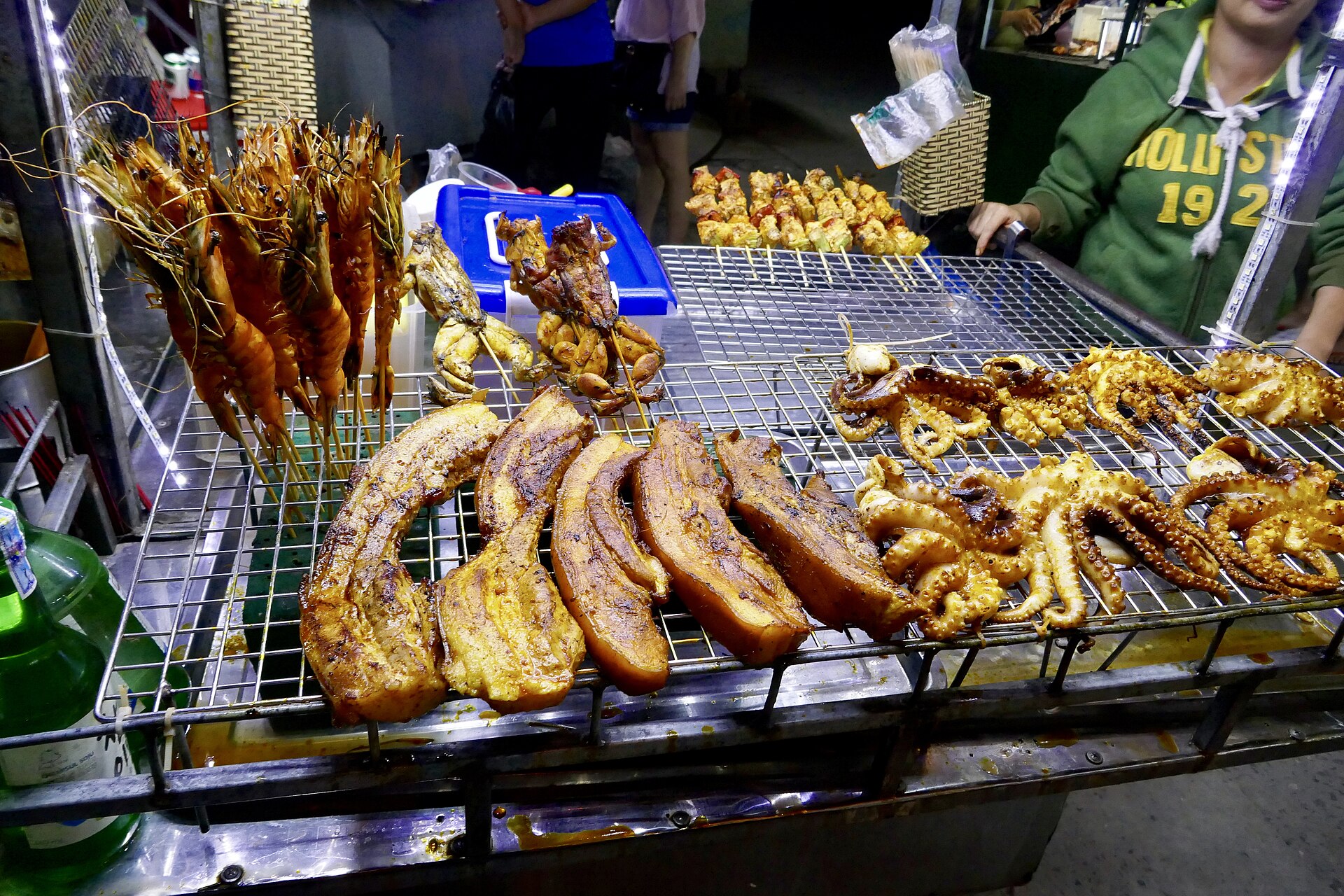
Featured photo: Street food in Hoi An by Isabell Schulz, CC BY-SA 2.0, via Wikimedia Commons.