
Reviewed November 2026.
Vietnam is generally a manageable destination for first-time visitors who plan around traffic, weather and ordinary city precautions. The answer to “is Vietnam safe to travel” depends on your route, season and nationality. Check your government’s current advisory, carry the right entry documents, protect valuables and leave extra time for road and weather changes.
What the current advice says
The U.S. Department of State currently lists Vietnam at Level 1: Exercise Normal Precautions (advisory dated June 24, 2026). That is U.S.-specific guidance. If you hold another passport, read the travel advice from your own government as well. Official advisories can change after storms, outbreaks or local incidents, so check again close to departure.
For entry, use the official Vietnam e-visa portal and keep your passport, visa approval and onward-travel details together. Our Vietnam travel tips for a first trip and Vietnam travel guide cover the planning decisions that sit alongside the safety checks.
The main risks travellers should plan for
Petty theft and busy places
Popular markets, transport hubs and nightlife areas reward simple habits. Keep a phone and wallet away from the road side of your body, use a zipped day bag and leave your passport in a secure place at your accommodation. Carry a copy or secure digital scan for everyday errands. Check the final fare before a taxi or app ride begins, and use established booking platforms where available.
Roads, scooters and crossings
Road traffic is the safety issue most visitors notice first. Traffic can be dense, scooters move from several directions and sidewalks may be used for parking. Cross at a steady pace, make your path predictable and watch for vehicles even when a light appears to favour pedestrians. Use a reputable taxi or ride-hailing service, wear a helmet on any motorbike and choose a licensed operator for longer journeys.
If you plan to rent a scooter, confirm the licence and insurance conditions that apply to your nationality before you ride. A travel policy may exclude riding without the required licence or helmet. A short transfer with a professional driver is often the easier choice for a first visit.
Planning to ride? Use the Vietnam motorbike licence and safety checklist before renting.
Weather, floods and disrupted plans
Vietnam stretches across several climate zones. A sunny forecast in Hanoi does not describe conditions in central or southern regions. Check the seasonal outlook for every stop, allow a buffer around internal flights and keep a dry bag for documents and electronics. Heavy rain can affect roads, river trips and mountain routes; follow local instructions and operator updates when conditions change.
Our guide to the best time to travel to Vietnam helps match a route to the season. Treat a weather warning as a reason to change the plan early rather than squeeze in one more transfer.
Unexploded ordnance and remote areas
The U.S. advisory warns about unexploded ordnance and landmines in some parts of Vietnam, especially former conflict areas. Stay on established paths, use a reputable local guide for rural or historic sites and never touch metal objects or unfamiliar items on the ground. Ask your accommodation or tour operator about current access restrictions before visiting remote areas.
Health, food, water and insurance
Vietnam Tourism’s health and safety guidance is the right starting point for current preparation. Arrange travel insurance that covers the activities and transport on your itinerary, and save the insurer’s assistance number offline. Pack any regular medication in its original packaging with the prescription details you need.
Choose busy food stalls with a high turnover, wash your hands before eating and use sealed or treated drinking water when local guidance recommends it. Travel plans should leave room for rest, heat and long journeys. Seek professional medical advice before travel for personal vaccination or health decisions; use this page as a practical planning checklist.
A simple risk check by situation
| Situation | Safer default | Before you go |
|---|---|---|
| Arriving late | Pre-book a reputable transfer or use an established taxi/app | Save the address and driver details offline |
| Crossing a busy road | Walk steadily and predictably at a visible crossing | Put your phone away while crossing |
| Visiting a remote site | Use an established operator and stay on marked routes | Check weather and access conditions |
| Carrying valuables | Keep a small daily amount and secure the rest | Photograph passport and policy details |
| Severe rain or flooding | Follow local instructions and delay exposed travel | Keep a buffer day in the itinerary |
Emergency numbers and useful preparation
The U.S. advisory lists 113 for police, 114 for fire and rescue, and 115 for ambulance in Vietnam. Save those numbers, your accommodation address and your insurer’s assistance line before leaving. Ask your accommodation which nearby hospital or clinic is appropriate for visitors.
Before departure, use this checklist:
- Check your own government’s Vietnam advisory and the Vietnam Tourism planning hub.
- Confirm your passport validity, visa or visa exemption and entry dates on the official portal.
- Save offline copies of your passport, visa approval, insurance policy and key bookings.
- Share your route and a check-in plan with someone at home.
- Download maps and translation tools, then carry a small power bank.
- Check local weather before each regional transfer.
- Use a helmet and the legally required licence and insurance for any motorbike ride.
- Keep valuables secure in crowded places and avoid displaying large amounts of cash.
Is Vietnam safe for solo travellers?
Solo travel works well with a route that leaves time for transfers and rest. Choose accommodation with recent, credible reviews, arrive with the first night arranged and tell someone your next destination. Group day tours can simplify remote visits, while a flexible itinerary lets you respond to weather or transport changes without pressure.
For route ideas, compare this safety checklist with our Vietnam itinerary and Vietnam budget guide. Recheck official sources whenever you book a new region or activity.
Vietnam travel safety: frequently asked questions
Is Vietnam safe to travel in 2026?
Vietnam is generally suitable for visitors using normal precautions. Check your own government’s current advisory, plan for traffic and weather, protect valuables and follow local instructions in remote or affected areas.
Is Vietnam safe for solo travellers?
Yes, many solo travellers visit successfully with a sensible route, secure accommodation and a check-in plan. Use established transport, keep documents backed up and choose a reputable operator for remote activities.
Is it safe to ride a scooter in Vietnam?
Only ride when you have the licence, helmet and insurance required for your circumstances and you are comfortable with local traffic. Confirm policy exclusions before renting; a professional transfer is a safer default for many visitors.
What should I do if severe weather changes my plans?
Follow local instructions, check operator and transport updates, and delay exposed journeys when conditions deteriorate. Keep a buffer day so a cancelled boat, train or flight does not force a rushed decision.
What emergency numbers do visitors use in Vietnam?
The U.S. travel advisory lists 113 for police, 114 for fire and rescue, and 115 for ambulance. Save them with your accommodation address and travel-insurance assistance number before departure.
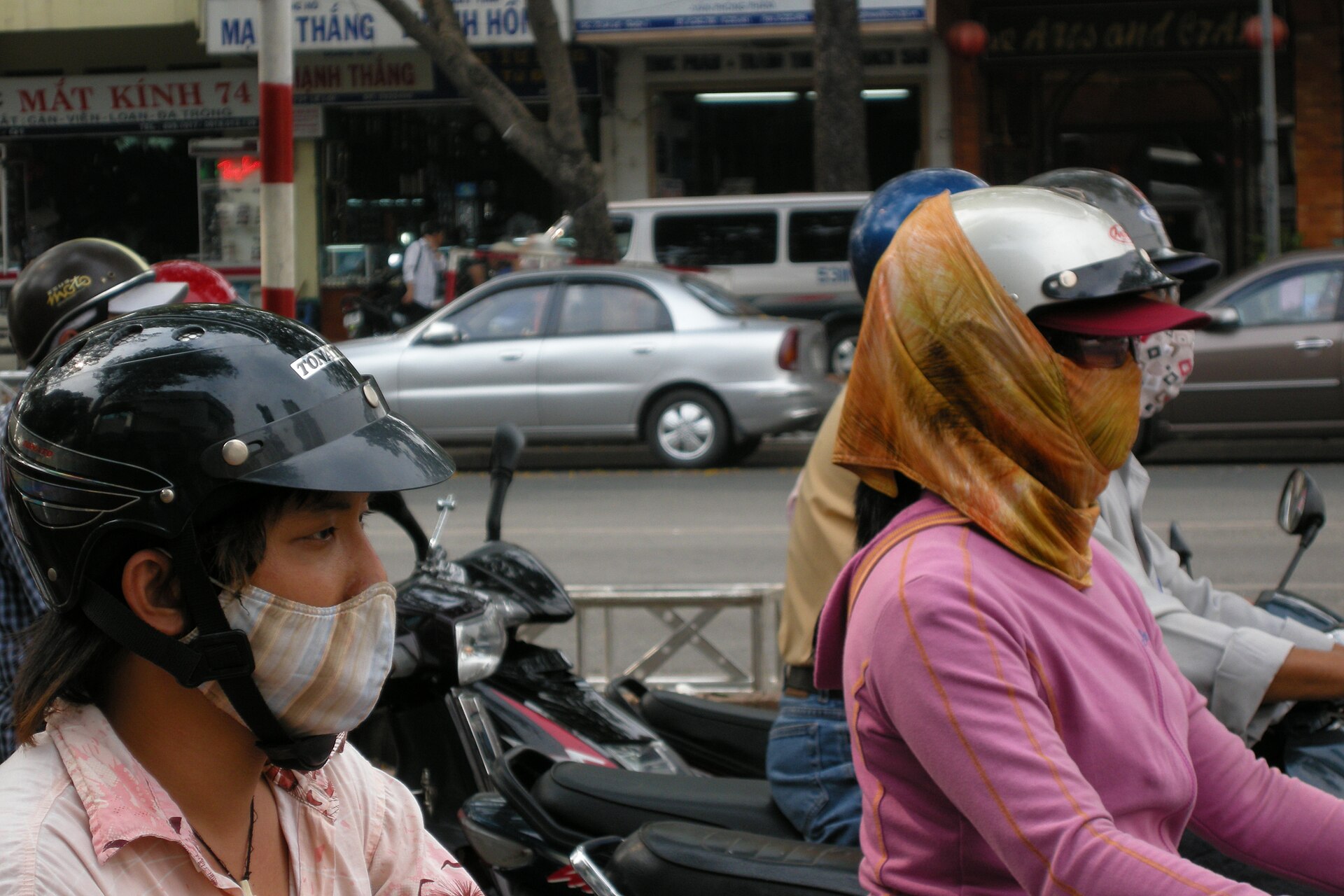
Featured photo: Ho Chi Minh City street traffic by Vyacheslav Argenberg, CC BY 4.0, via Wikimedia Commons.
Vietnam travel safety: frequently asked questions
Is Vietnam safe to travel in 2026?
Vietnam is generally suitable for visitors using normal precautions. Check your own government’s current advisory, plan for traffic and weather, protect valuables and follow local instructions in remote or affected areas.
Is Vietnam safe for solo travellers?
Yes, many solo travellers visit successfully with a sensible route, secure accommodation and a check-in plan. Use established transport, keep documents backed up and choose a reputable operator for remote activities.
Is it safe to ride a scooter in Vietnam?
Only ride when you have the licence, helmet and insurance required for your circumstances and you are comfortable with local traffic. Confirm policy exclusions before renting; a professional transfer is a safer default for many visitors.
What should I do if severe weather changes my plans?
Follow local instructions, check operator and transport updates, and delay exposed journeys when conditions deteriorate. Keep a buffer day so a cancelled boat, train or flight does not force a rushed decision.
What emergency numbers do visitors use in Vietnam?
The U.S. travel advisory lists 113 for police, 114 for fire and rescue, and 115 for ambulance. Save them with your accommodation address and travel-insurance assistance number before departure.